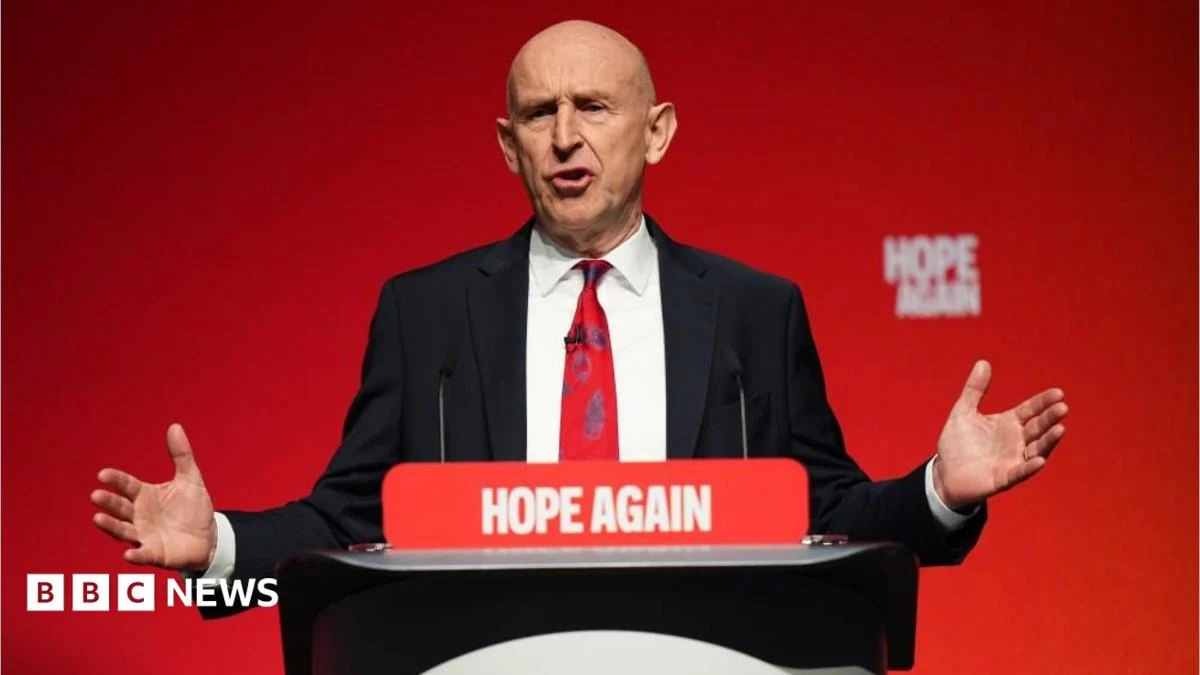
In a speech emphasising economic priorities, the UK chancellor argued that providing jobs for young people offers a better long-term outcome than expanded benefit payments, BBC News reported. The remarks came as the government prepares for next month’s Budget amid ongoing pressure to reduce public borrowing costs.
The chancellor’s speech framed employment as the central policy goal for addressing youth economic challenges, contrasting it with traditional welfare approaches that focus on financial support after unemployment or hardship. This framing sets expectations for fiscal policies likely to appear in the upcoming budget statement.
Key Facts
- The chancellor said jobs for young people are the best thing the government can offer.
- The speech was delivered ahead of next month’s Budget.
- The government faces pressure to bring down borrowing costs.
- John Healey is the source of the reported comments, per BBC News.
What Happens Next?
All eyes now turn to next month’s Budget, where the government must balance competing expectations around fiscal discipline and social support. Analysts will watch whether employment-focused measures receive priority funding, and whether any new programmes target younger workers specifically. The speech suggests a policy tilt toward incentivising work rather than expanding benefits, but detailed proposals remain to come.
Prior budgets have typically included measures spanning infrastructure, education, and welfare reform. This time, the emphasis on jobs for young people may shape how departments allocate resources and structure eligibility rules for support schemes. Markets will also be sensitive to anything signaling higher or lower public spending.
Who Is Affected?
Young people entering or re-entering the labour market stand to be directly affected by any shift toward employment-first policies. Graduates, school leavers, and those previously reliant on benefits could see changes to available support or training opportunities depending on the final budget design.
Wider households may feel indirect effects through tax and spending choices, while employers could benefit from new incentives or schemes aimed at hiring younger staff. Pensioners and other fixed-income groups might face different trade-offs if benefit spending is redirected.
How Did We Get Here?
Pressure to reduce government borrowing costs has intensified as public debt remains elevated relative to pre-crisis norms. With interest payments consuming a growing share of tax receipts, policymakers have signalled a preference for growth-oriented spending over expanded transfers.
The chancellor’s emphasis on jobs for young people reflects broader debates about welfare reform and labour market participation. Previous governments have experimented with conditional benefit structures, but this speech points toward prevention-through-employment rather than compensation-after-inactivity.
What We Know
Verified by the source:
- The chancellor delivered a speech prioritising jobs for young people.
- The speech occurred ahead of next month’s Budget.
- Government borrowing costs are under pressure to fall.
Still unconfirmed:
- No specific budget measures or funding figures were detailed.
- No official response from opposition parties or independent economists.
- The exact date and venue of the speech were not provided.
Why It Matters
Policy signals from the chancellor help shape expectations for fiscal policy direction, influencing everything from business investment decisions to household financial planning. Emphasising jobs for young people suggests future spending may tilt toward labour-market activation rather than passive income support.
What To Watch
The full Budget next month will confirm whether jobs for young people receive dedicated funding or new programme structures.