Lede
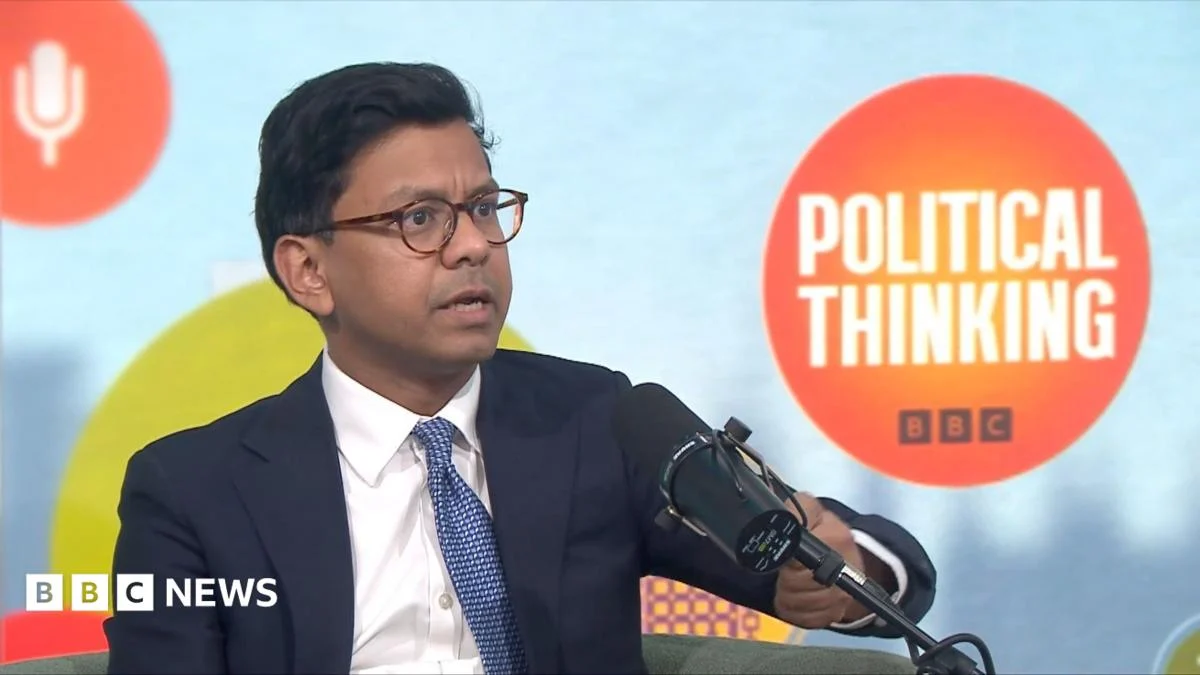
The UK’s AI minister has warned that artificial intelligence must not be left to tech entrepreneurs and wealthy individuals, arguing that governance requires more than just regulation.
The minister told the BBC that effective AI development demands not only regulatory oversight but also the building of capability and capacity within broader institutions. This statement comes amid growing global discussions about how best to manage the rise of AI technologies.
By emphasizing the need for state involvement and institutional preparedness, the minister highlighted concerns that unchecked private control could undermine public interest objectives in AI deployment.
KEY FACTS
- AI minister spoke to the BBC about AI governance.
- He said dealing with AI requires regulation and building capability and capacity.
- He warned AI should not be left to tech bros and oligarchs.
Why AI Governance Matters Now
As artificial intelligence becomes increasingly embedded in daily life—from healthcare diagnostics to financial services—the question of who controls these systems has gained urgency. The UK’s AI minister emphasized that relying solely on regulation may not be enough to ensure responsible development and deployment.
Regulators worldwide are grappling with how to balance innovation with safety. Without sufficient institutional capacity, governments risk being unprepared to oversee complex AI models that can impact sectors like transportation, employment, and national security. Building internal expertise and infrastructure is crucial for meaningful oversight.
The minister’s remarks suggest a push toward strengthening public-sector capabilities rather than deferring entirely to private actors. This aligns with ongoing debates in Parliament and international forums over whether current frameworks are adequate to address rapid advancements in generative AI.
What Happens Next?
Following the minister’s comments, stakeholders will likely monitor whether the UK government moves forward with legislative proposals aimed at enhancing digital sovereignty and technological self-reliance. Officials have not yet detailed specific policy steps, but sources indicate discussions are underway across Whitehall departments.
Parliamentary committees may summon industry leaders and regulators to testify on how best to implement new safeguards. Meanwhile, international partners—including the EU, US, and China—are watching closely as nations vie for influence in shaping emerging norms around AI ethics and accountability.
The outcome could shape future trade agreements, export controls, and data-sharing arrangements involving cutting-edge algorithms. How the UK balances commercial interests against public welfare remains a key point of contention among policymakers and advocacy groups alike.
WHAT WE KNOW — AND WHAT WE DON’T
Verified by the source:
- A UK minister responsible for AI addressed the BBC regarding governance challenges.
- The conversation included references to regulation and institutional readiness.
- The minister expressed concern over concentration of power in private hands.
Still unconfirmed:
- No official name was provided for the speaking minister.
- No timeline or concrete policies were announced.
- It is unclear which institutions would receive expanded AI-related powers.
- No response from other political figures or external experts was reported.
WHY IT MATTERS
How societies govern artificial intelligence affects everything from economic competitiveness to civil liberties. Ensuring democratic oversight prevents unchecked corporate dominance while fostering trust in transformative technologies. As global powers compete for leadership in AI, public accountability becomes essential for safeguarding shared values.
WHAT TO WATCH
Future statements from UK officials may clarify planned actions or new legislation targeting AI governance. Watch for parliamentary hearings, intergovernmental summits, or white papers outlining updated strategies.