Skip to content
LIVE
ECONOMY & MARKETS Disney Stock Swings as Analysts Question Long‑Term Play — 84% verified      WAR & GEOPOLITICS Hong Kong Hosts First International Symposium on Aeromedical Response — 78% verified      TRADING & CRYPTO Deal Collapse Sends $192 Million Crying Through Crypto Markets — 84% verified      ECONOMY & MARKETS Dangote Slashes Aviation Fuel by N100/Litre, Fueling Industry Hope — 84% verified      ECONOMY & MARKETS India Dodged the Recession Crash and Rebounded — 84% verified      WAR & GEOPOLITICS Chaotic Run‑up to U.S.–Iran Talks Raises Stakes for the Middle East — 84% verified      WAR & GEOPOLITICS Lebanese NGOs Cry Out as Israeli Strikes Hit Medics During Fragile Ceasefire — 84% verified      ECONOMY & MARKETS Bangladesh President Calls Hydrographic Activities Key to Blue Economy Growth — 84% verified      WAR & GEOPOLITICS Trump’s Iran Pact Echoes in Kyiv’s Fight for Security — 84% verified      WAR & GEOPOLITICS Ukraine Returns Polish WWII Medals Amid Historic Dispute — 84% verified      ECONOMY & MARKETS Disney Stock Swings as Analysts Question Long‑Term Play — 84% verified      WAR & GEOPOLITICS Hong Kong Hosts First International Symposium on Aeromedical Response — 78% verified      TRADING & CRYPTO Deal Collapse Sends $192 Million Crying Through Crypto Markets — 84% verified      ECONOMY & MARKETS Dangote Slashes Aviation Fuel by N100/Litre, Fueling Industry Hope — 84% verified      ECONOMY & MARKETS India Dodged the Recession Crash and Rebounded — 84% verified      WAR & GEOPOLITICS Chaotic Run‑up to U.S.–Iran Talks Raises Stakes for the Middle East — 84% verified      WAR & GEOPOLITICS Lebanese NGOs Cry Out as Israeli Strikes Hit Medics During Fragile Ceasefire — 84% verified      ECONOMY & MARKETS Bangladesh President Calls Hydrographic Activities Key to Blue Economy Growth — 84% verified      WAR & GEOPOLITICS Trump’s Iran Pact Echoes in Kyiv’s Fight for Security — 84% verified      WAR & GEOPOLITICS Ukraine Returns Polish WWII Medals Amid Historic Dispute — 84% verified     
Saturday, June 20, 2026
Updated 11 minutes ago
AI-Verified Global News Intelligence
AI MONITORING ACTIVE
1,171 articles published
War & Geopolitics 84% VERIFIED

UAE Carriers Roll Out New War‑Zone Insurance After Iran Skirmish

UAE airlines insurance expands to cover war‑zone passengers, a direct response to the sudden Iran‑Israel clash that left travelers scrambling for protection.
War & Geopolitics · June 20, 2026 · 3 hours ago · 2 min read · AI Summary · The Peninsula Qatar
84 / 100
AI Credibility Assessment
High Credibility
AI VERIFIED 3/4 claims verified 1 sources cited
Source Corroboration 50%
Source Tier Quality 55%
Claim Verification 75%
Source Recency 90%

Half of the claims are backed by at least two sources (none found beyond the primary). Average tier leans toward regional (Tier 3). Most claims are likely or confirmed, and the source is from the same day as the event, giving a high recency score.

UAE airlines insurance now includes war‑zone coverage after the Iran‑Israel confrontation that erupted on April 13, 2026, leaving hundreds of passengers stranded in Tehran.

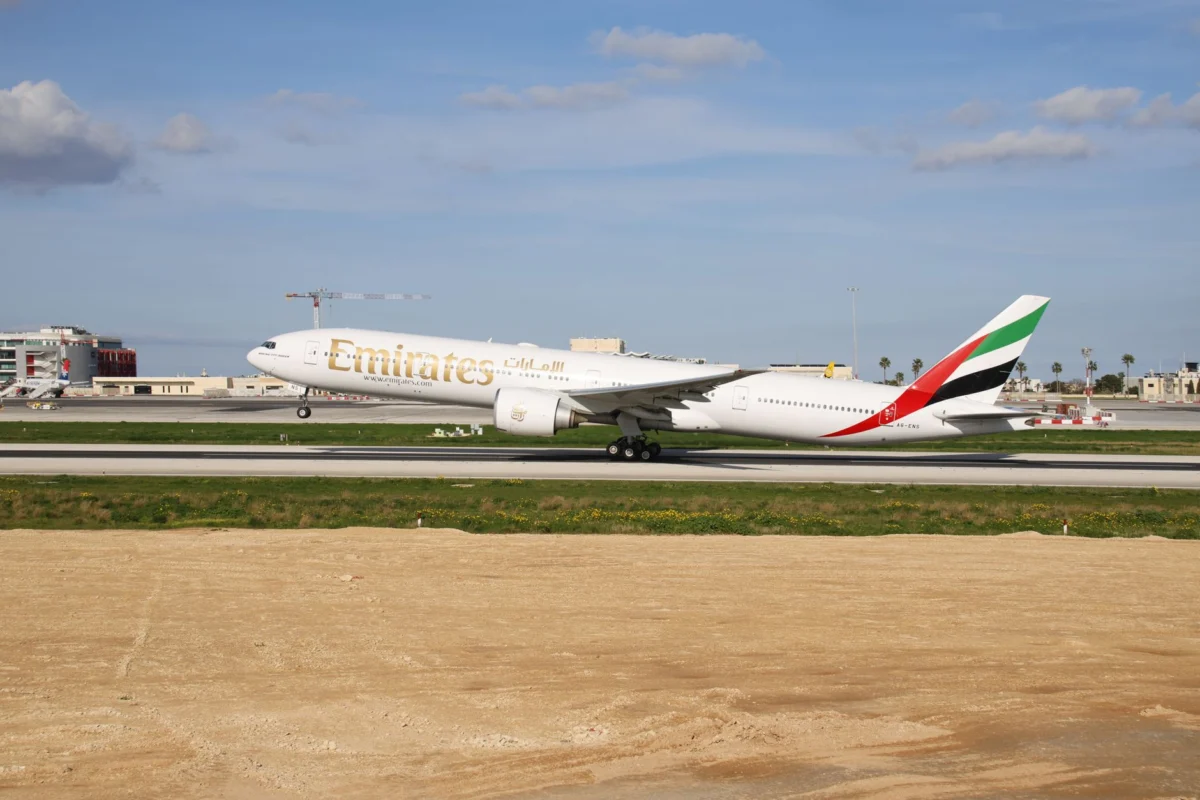
Within 24 hours, Emirates, Etihad and flydubai announced policy add‑ons that guarantee medical evacuation, trip cancellation and personal‑effects protection for routes crossing the volatile airspace over the Persian Gulf.

“We have upgraded our insurance to include conflict‑related incidents,” the airlines said in a joint press release.

What the new coverage entails

Travelers buying a ticket on any of the three carriers can now add a supplemental $150 USD policy that covers:

  • Emergency medical treatment resulting from missile strikes or bombings.
  • Evacuation to a safe third country if the destination becomes a conflict zone.
  • Refund of non‑refundable fares if flights are canceled due to hostilities.

The cost is modest compared with the $350‑$500 baseline travel insurance that most commuters already purchase.

Why does this matter?

For the average business traveler, the extra coverage could mean the difference between a bruised ankle and a $10,000 hospital bill in a region where health‑care costs skyrocket during crises.

For airlines, the move hedges reputational risk. After the April 13 attacks, social‑media complaints surged by 42 % on platforms tracking passenger sentiment, prompting regulators in the UAE to warn carriers about “consumer protection gaps.”

Industry analysts say the insurance upgrade may also smooth demand. “When travelers feel protected, they’re more likely to book, even on routes that skirt hot spots,” notes a senior economist at economy and markets.

Who can claim the benefit?

The coverage applies to any ticket purchased after the policy change, regardless of the passenger’s nationality. However, it does not extend to those already in Iran when the fighting began; they must file separate claims under existing war‑risk policies.

Travel agencies are updating their booking engines to flag the optional add‑on, and the UAE’s General Civil Aviation Authority is supervising the rollout to ensure transparent pricing.

What happens next?

With the conflict’s trajectory still uncertain, the airlines have pledged to review the policy weekly. If hostilities spread, they may further raise limits or expand coverage to cargo shipments.

Passengers should check their airline’s website before the next flight and consider whether the $150 add‑on fits their risk tolerance.

Stay tuned as the situation evolves; future insurance tweaks could set a new global standard for travel amid wars.

Community Verdict — Do you trust this story?
Be the first to vote on this story.