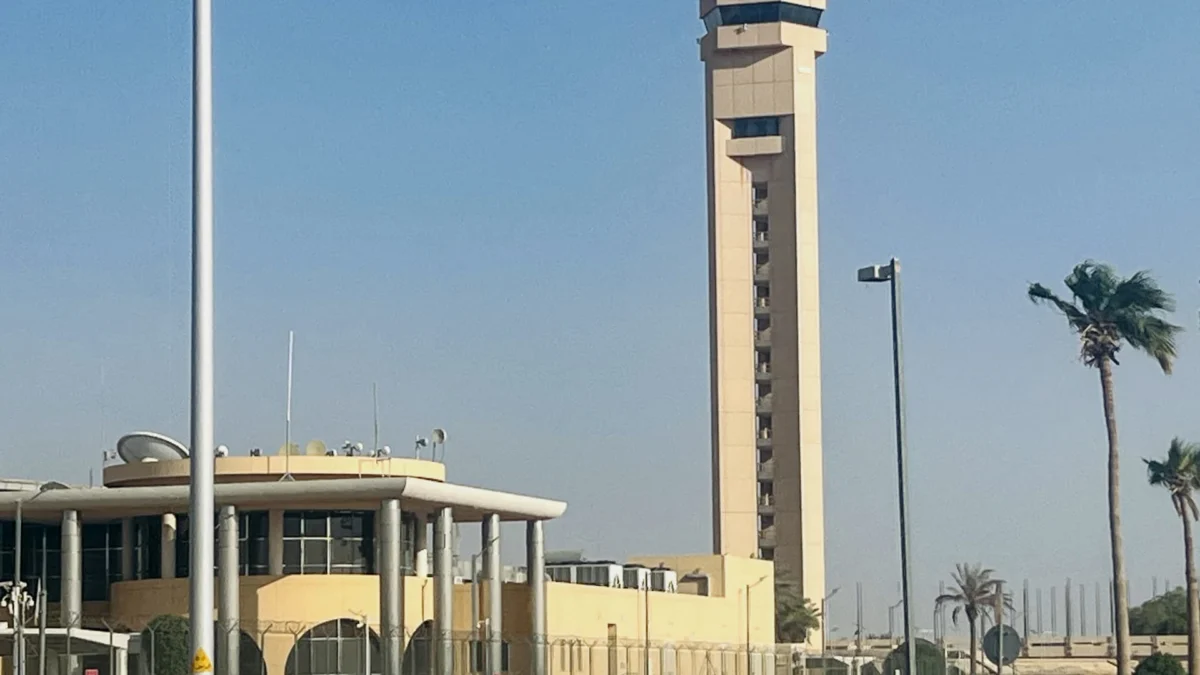
The United States ordered the departure of non-emergency diplomatic personnel from Saudi Arabia after Houthi forces launched strikes on a major airport and an oil facility, reviving fears of a broader regional conflict. This move comes amid escalating tensions linked to possible U.S. military preparations targeting Iran.
The development reflects growing unease across the Gulf, where cross-border attacks and geopolitical maneuvering continue to strain alliances and raise questions about future confrontations. While the U.S.has not publicly detailed its strategic response, the precautionary evacuation signals heightened alert among American officials stationed in the region.
KEY FACTS
- The U.S. withdrew non-emergency diplomats from Saudi Arabia.
- Houthi strikes hit an airport and an oil field in Saudi Arabia.
- Fears rose of a widening regional conflict.
- Reports suggest the U.S.may prepare Iran strikes post-midterms.
What Triggered the Withdrawal?
The immediate catalyst was a pair of Houthi attacks on critical infrastructure inside Saudi Arabia — one targeting a civilian airport and another striking an oil production site. These incidents underscore the volatility of the ongoing conflict in Yemen, which has increasingly spilled beyond its borders.
Saudi Arabia, long a key partner for the U.S.in Middle Eastern security operations, continues to face threats from Iranian-backed groups operating in the region. The dual nature of these attacks — hitting both transport and energy assets — likely influenced Washington’s decision to reduce its on-the-ground presence.
The withdrawal does not signal a full pullout but rather a temporary repositioning of staff to ensure safety while diplomatic channels remain active. It also aligns with standard protocols during periods of elevated risk.
Can Conflict With Iran Be Avoided?
Broadly speaking, U.S.Iran relations have been fraught since the early 2000s, driven by disputes over nuclear ambitions, regional influence, and sanctions policies. Recent rhetoric and military positioning suggest both sides are postured for potential confrontation, though neither side may actively seek open warfare at this stage.
The timing tied to midterm elections introduces another layer of complexity, as any significant foreign policy shift typically faces domestic scrutiny. Analysts note that decisions made under pressure can carry unintended consequences, especially when they involve large-scale deployments or targeted strikes.
For now, the situation remains fluid. Diplomatic engagement continues behind closed doors even as public statements grow more assertive. Whether de-escalation mechanisms exist depends largely on internal political calculations within each government.
What We Know — and What We Don’t
Verified by the source:
- Non-emergency U.S.staff were ordered out of Saudi Arabia.
- Attacks occurred at an airport and an oil facility.
- Concerns include a possible widening regional conflict.
Still unconfirmed:
- Exact timing or scope of reported Iran strikes planning.
- Names of affected individuals or casualty counts.
- Official U.S.govt justification for the withdrawal.
- Direct linkage between the strikes and U.S.military posture changes.
Why It Matters
This episode highlights how fragile stability in the Middle East remains, particularly as external powers like the U.S.and regional actors navigate overlapping crises. Energy markets closely watch developments around Saudi oil infrastructure, meaning even indirect disruptions can reverberate globally. For ordinary citizens, rising tensions threaten displacement, economic strain, and reduced access to essential services.
What To Watch
All eyes will turn to whether diplomatic efforts can temper military momentum. Officials have yet to comment publicly on next steps, leaving room for further uncertainty until clearer guidance emerges.
Explore related updates in economy and markets. Learn more in our war and geopolitics archive.