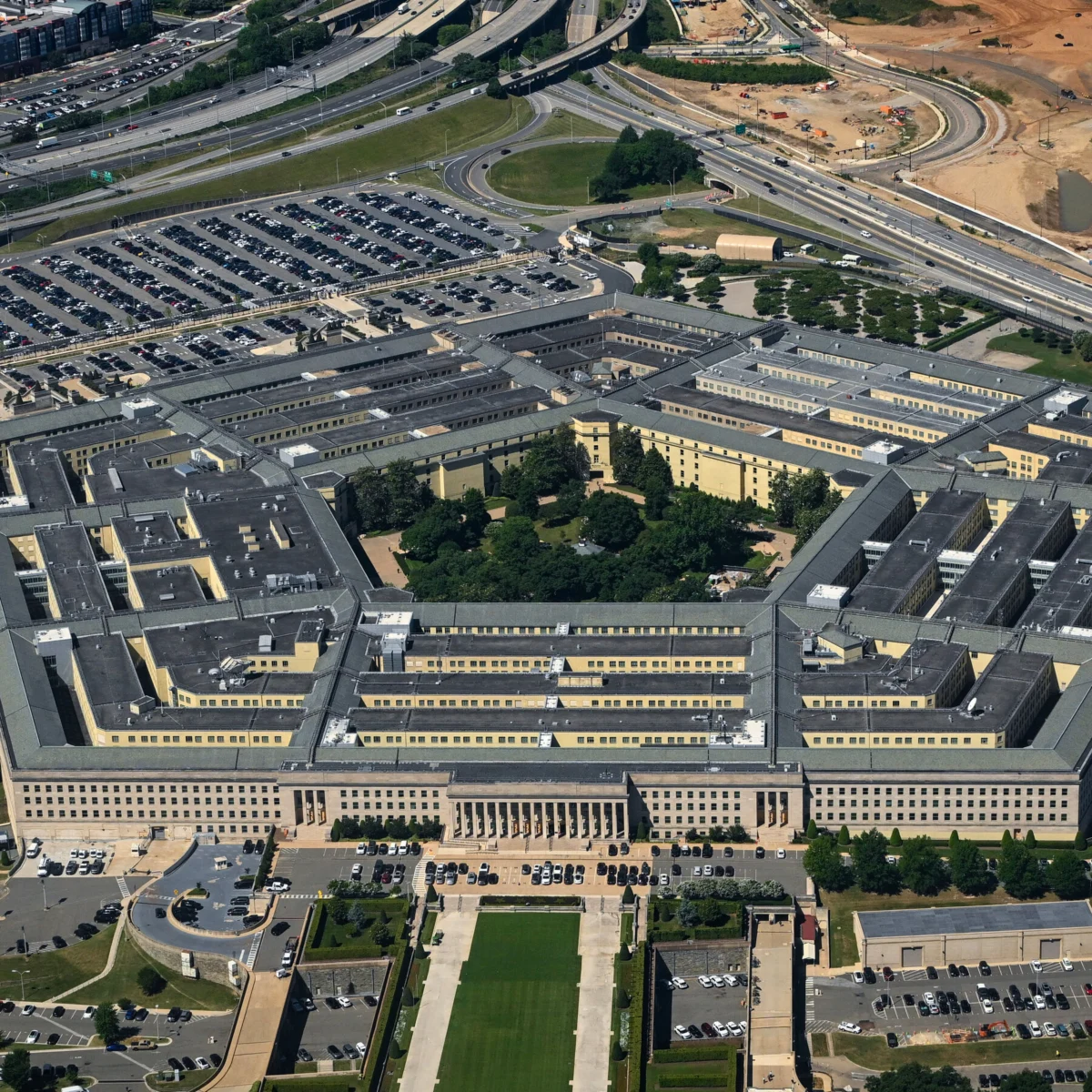
The U.S. military is pursuing AI dominance as part of its national security strategy, but internal disagreements and China’s aggressive AI advancement may impede those efforts.
The administration’s response to AI’s national security implications has been inconsistent, veering widely between different approaches.
Key Facts
- The U.S. Military wants AI dominance.
- Feuds and China may thwart the U.S. Military’s AI dominance goal.
- The administration is veering wildly in its response to the national security implications of AI.
- China is America’s main technological and military rival and is charging ahead in AI.
What does AI dominance mean for the military?
AI dominance refers to achieving superior capability in artificial intelligence applications that support defense operations, such as autonomous systems, data analysis, and decision‑making tools. Attaining this edge is viewed as critical for maintaining strategic advantage in future conflicts. The concept encompasses both technological development and the integration of AI into existing military doctrines and procurement programs.
Because AI evolves rapidly, securing dominance requires sustained investment, talent acquisition, and effective coordination across services and agencies. Analysts note that without a clear, unified approach, efforts risk duplication or gaps that could be exploited by adversaries. The pursuit is therefore as much about organizational alignment as it is about hardware or software.
Why are internal feuds a concern?
The summary notes that the administration is “veering wildly” in its response to AI’s national security implications, suggesting shifting priorities and unclear direction. Such inconsistency can stem from disagreements among policymakers, military leaders, and civilian officials about how aggressively to pursue AI, what ethical boundaries to set, and how to balance innovation with oversight.
When leadership sends mixed signals, programs may face delayed funding, contradictory requirements, or stalled procurement. Personnel tasked with implementing AI initiatives may struggle to plan long‑term projects when the strategic goalposts move frequently. This internal friction can erode confidence and slow the pace at which the military adopts new AI capabilities.
How might China’s advance affect U.S. plans?
China is identified as America’s main technological and military rival and is described as “charging ahead” in AI. This signals that Beijing is allocating substantial resources to AI research, development, and fielding, potentially narrowing or overtaking any U.S. lead.
A rapid Chinese advance could compel the U.S. to accelerate its own efforts, increase spending, or seek new partnerships to keep pace. Conversely, if U.S. efforts falter due to internal feuds or inconsistent policy, China’s progress could shift the balance of AI‑related military capabilities, affecting areas such as surveillance, autonomous weapons, and cyber operations. The dynamic underscores the competitive nature of the AI race between the two powers.
The U.S. military seeks AI dominance while internal feuds and China’s rapid advance threaten its goal. This sentence serves as the meta description.