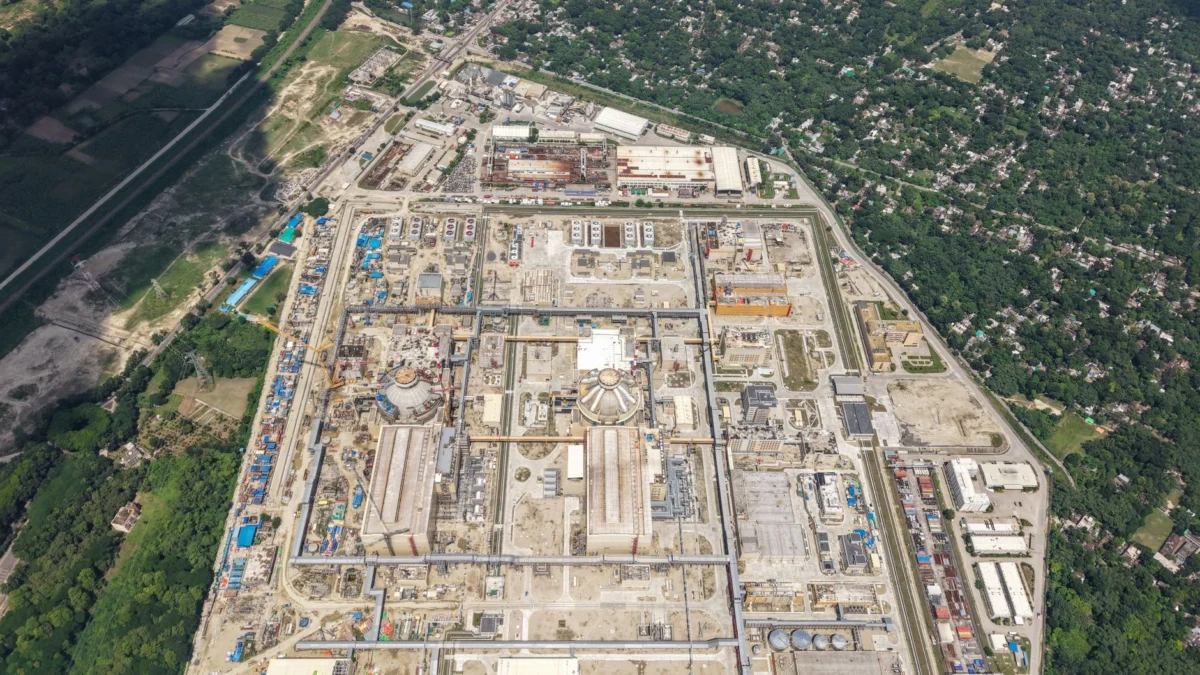
U.S. intelligence assesses that Saudi Arabia has not ruled out developing nuclear weapons, according to a report published by World.
This sobering outlook has compounded concerns from some U.S. lawmakers about President Donald Trump’s agreement to assist the kingdom with establishing a civilian nuclear program.
KEY FACTS
- Saudi Arabia has not ruled out developing nuclear weapons, U.S. intelligence says.
- U.S. lawmakers are concerned over civilian nuclear assistance to Saudi Arabia.
- Concerns stem from President Trump’s agreement to aid the civilian nuclear program.
THE STORY
What happens next?
The assessment by U.S. intelligence adds complexity to ongoing diplomatic efforts regarding nuclear policy in the region. While the focus remains on civilian applications, the possibility of military expansion cannot be dismissed without further clarity from Saudi officials.
Civilian nuclear programs often involve technology that can be diverted toward weapons development, raising red flags among policymakers who monitor proliferation risks. The lack of explicit assurances from Riyadh intensifies scrutiny over any potential collaboration between the U.S. and Saudi Arabia.
How did we get here? The shift in U.S.-Saudi relations began with renewed diplomatic engagement, including discussions around peaceful energy initiatives. However, past precedents show that such programs may carry dual-use implications if safeguards are insufficient.
Who is affected?
Beyond Washington and Riyadh, regional actors like Iran and Israel have long expressed alarm over nuclear ambitions in the Middle East. Congressional leaders have already signaled hesitation about approving deals without rigorous oversight mechanisms.
The stakes extend globally, as nuclear nonproliferation treaties aim to prevent the spread of nuclear weapons beyond recognized states. Any perceived loophole in enforcement could undermine international security frameworks designed to maintain stability.
Still, public statements from both governments emphasize their commitment to transparency and compliance. Until concrete actions contradict those pledges, much will depend on how negotiations unfold behind closed doors.
WHAT WE KNOW / WHAT WE DON’T
Verified by the source:
- Saudi Arabia has not ruled out developing nuclear weapons per U.S. intelligence.
- President Trump agreed to help Saudi Arabia establish a civilian nuclear program.
- Some U.S. lawmakers expressed concern following this agreement.
Still unconfirmed:
- Specific details of the proposed civilian nuclear cooperation agreement.
- Direct quotes or official responses from Saudi or U.S. government sources.
- Timelines or next steps in the diplomatic process.
WHY IT MATTERS
A nuclear-capable Saudi Arabia would drastically alter the balance of power in the Middle East, potentially triggering an arms race with neighboring nations. It also tests the limits of existing nonproliferation norms amid evolving geopolitical alliances.
WHAT TO WATCH
Members of Congress may soon hold hearings to question administration officials on safeguards tied to any nuclear cooperation deal. International observers will likely await formal disclosures before assessing broader implications.
Explore more at SourceRated War & Geopolitics.