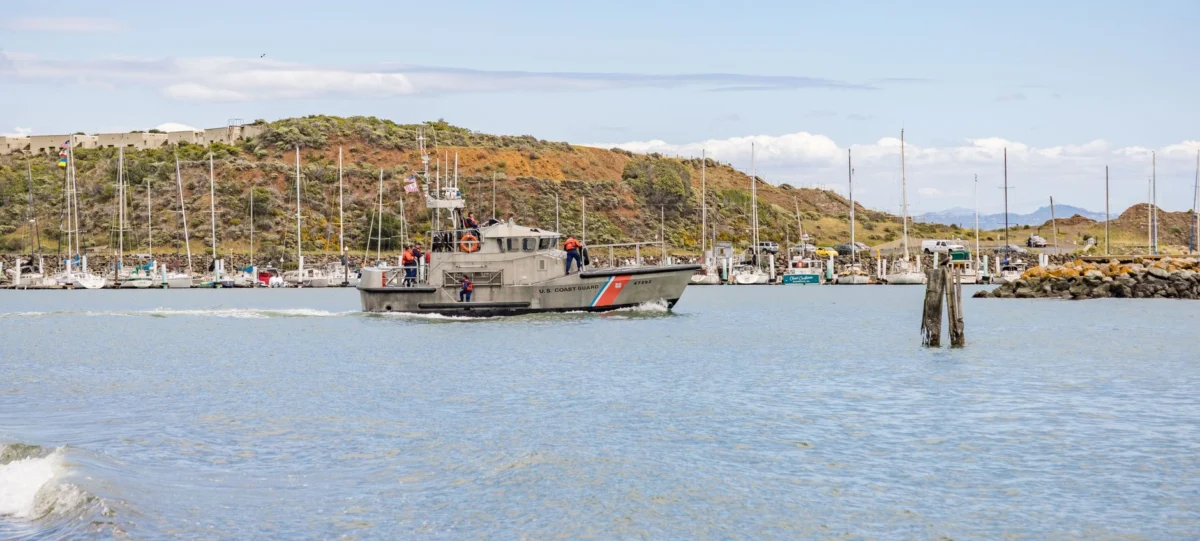
U.S. officials said the Coast Guard came under fire near the southern border, leading to the deployment of hundreds of troops to the area. Mexico has responded by requesting evidence to confirm the reported incident.
KEY FACTS:
- Coast Guard was fired upon near the southern border.
- U.S. officials confirmed the shooting incident.
- Hundreds of troops were deployed to the affected area.
- Mexico has requested evidence regarding the incident.
The Story
What happens next? The immediate question is whether the U.S. will provide the evidence Mexico has requested to substantiate the claim that its Coast Guard was fired upon. Tensions could rise if documentation is not shared promptly, especially as both nations work to manage security along their shared southern border.
The deployment of hundreds of troops suggests a significant security response, though the exact scale and location remain unspecified in the available summary. U.S. officials did not elaborate on who carried out the shooting or what prompted the confrontation. The lack of detail makes it difficult to assess the severity or broader implications of the event.
Why this matters Incidents involving armed forces near international borders can strain diplomatic relations, particularly when one nation disputes or questions the other’s claims. The situation highlights ongoing concerns about border security and cross-border enforcement cooperation between the U.S. and Mexico. A lack of transparency or miscommunication could undermine joint efforts on migration control, drug interdiction, and other shared priorities.
WHAT WE KNOW / WHAT WE DON’T
Verified by the source:
- Coast Guard came under fire near the border.
- Hundreds of troops have been deployed.
- Mexico wants evidence of the shooting.
Still unconfirmed:
- Exact time and location of the incident.
- Identity of those responsible.
- Details behind troop deployment numbers.
- Cause or context of the confrontation.
Why It Matters Border-related military encounters can affect diplomatic trust and public safety perceptions. These tensions often ripple into trade, immigration, and law enforcement coordination between neighboring countries. For citizens and policymakers alike, clear communication and verified facts are essential to avoid escalation based on incomplete information.
What To Watch U.S. officials have not yet indicated when or how evidence will be provided to Mexico. Further statements from either government may clarify the circumstances and help deescalate concerns.