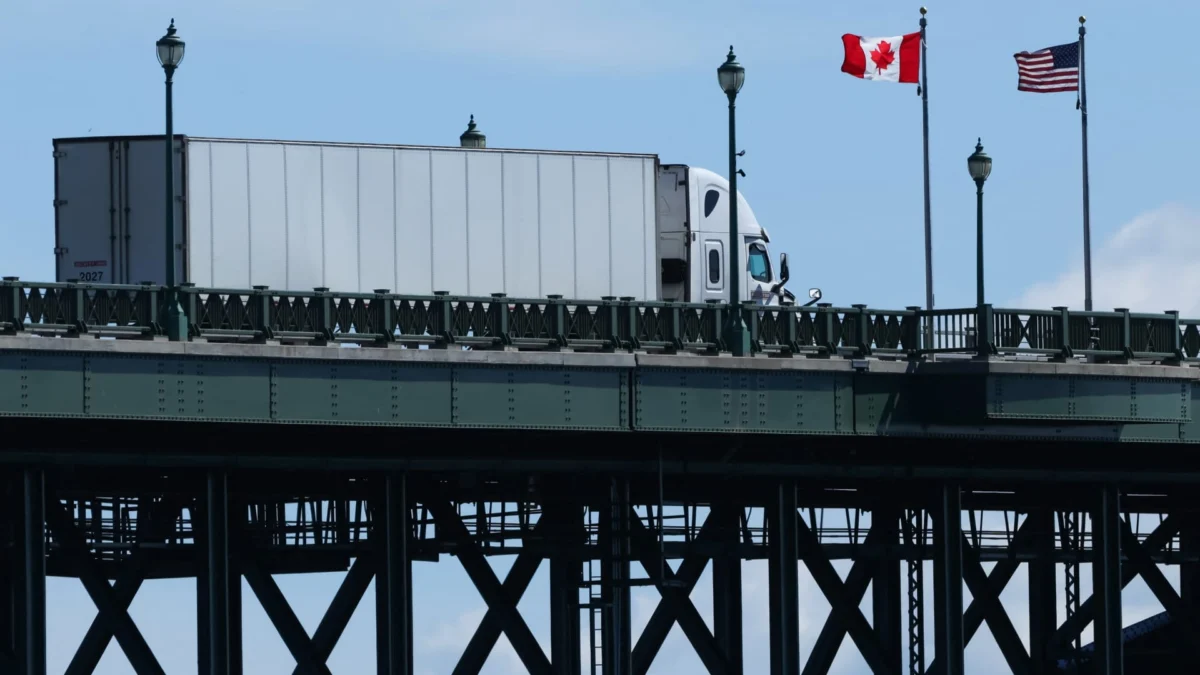
The United States and Canada failed to reach a trade deal late on Friday, leading to an escalation in their trade dispute. The U.S. announced it would impose 50% tariffs on certain imports from Canada, marking a significant deterioration in relations between the long-time allies.
This development comes at a time when both nations have been negotiating to resolve ongoing trade tensions. The failure to reach an agreement signals a potential deepening of economic friction, with implications for businesses and consumers in both countries.
Key Facts
- The U.S. and Canada failed to reach a trade deal late on Friday.
- The U.S. will impose 50% tariffs on some imports from Canada.
- The move escalates trade tensions between the two nations.
What led to this breakdown?
Trade negotiations between the U.S. and Canada have been ongoing for some time, with both sides attempting to resolve differences that have strained their economic relationship. The specific issues that prevented an agreement remain unclear from the available information, but the imposition of new tariffs represents a significant escalation.
Historically, the U.S. and Canada have maintained one of the world’s closest trading relationships, with integrated supply chains across many industries. This new development threatens to disrupt that economic partnership.
What are the potential impacts?
The 50% tariffs will likely increase costs for American businesses that rely on Canadian imports, potentially leading to higher prices for consumers. Canadian exporters, particularly in affected sectors, may face reduced competitiveness in the U.S. market.
The broader economic relationship between the two countries could be affected, with possible consequences for employment and investment in industries that depend on cross-border trade. The specific sectors targeted by the tariffs have not been detailed in the available information.
What We Know — and What We Don’t
Verified by the source:
- Trade talks between the U.S. and Canada failed on Friday
- The U.S. plans to impose 50% tariffs on some Canadian imports
Still unconfirmed:
- Which specific products will be subject to the new tariffs
- The exact reasons for the breakdown in negotiations
- Canada’s planned response to the U.S. tariff announcement
Why It Matters
The U.S. and Canada share one of the world’s largest bilateral trading relationships, with hundreds of billions in goods crossing the border annually. Escalating tariffs could disrupt supply chains, increase costs for businesses and consumers, and potentially lead to job losses in affected industries. The situation bears watching as it may signal a broader shift in North American trade relations.
What To Watch
Attention now turns to Canada’s response to the U.S. tariff announcement and whether either side will make new efforts to revive negotiations. The specific sectors affected by the tariffs will become clearer as implementation details emerge.