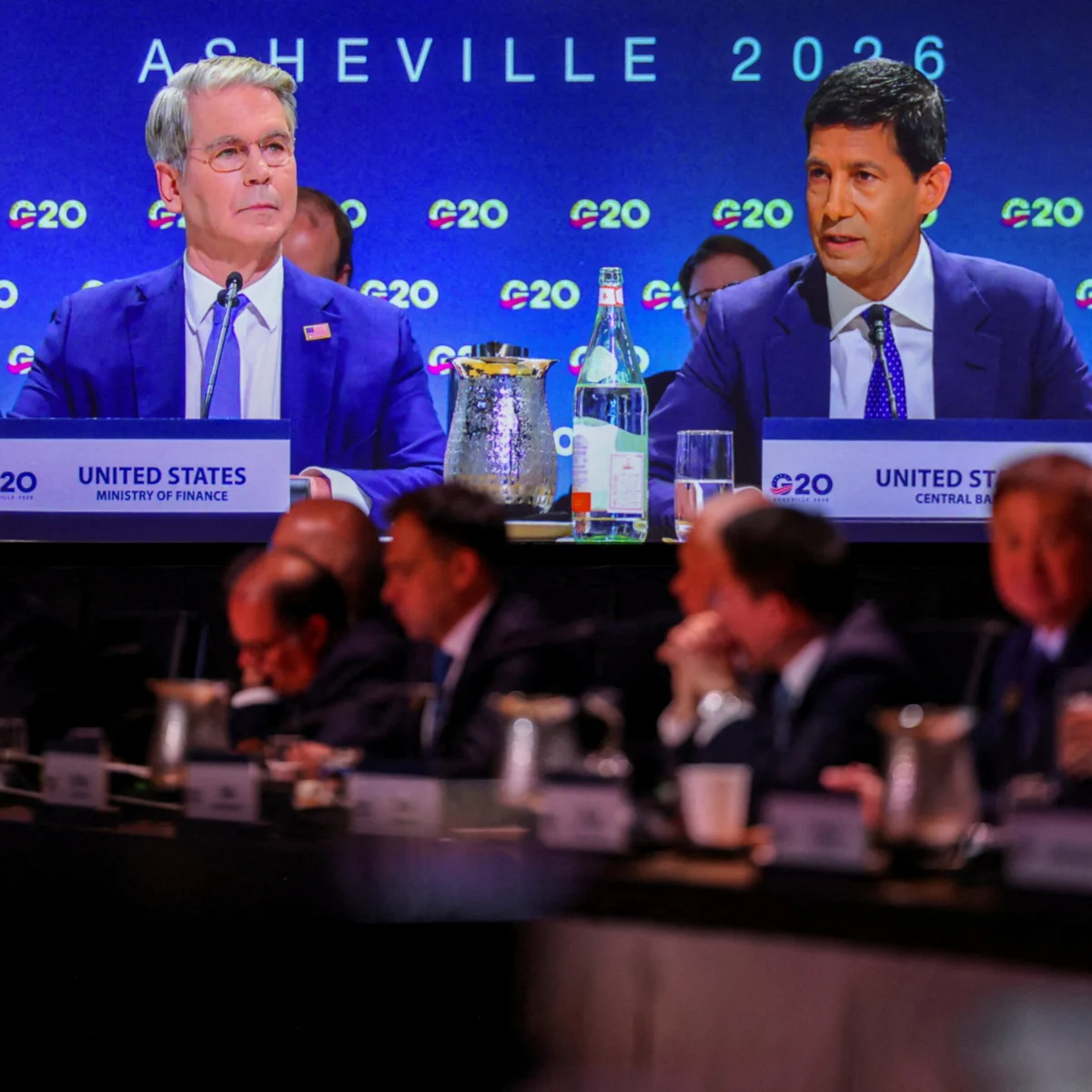
At the G20 Summit, some U.S. allies pushed back against President Trump’s economic policies, highlighting tensions over tariffs and Iran. The summit was intended to showcase Trump’s economic approach as a global model, but European leaders expressed dissatisfaction with key aspects of U.S. strategy.
The pushback underscores growing friction between the U.S. and its allies on economic and geopolitical issues. While the summit aimed to promote collaboration, differing views on tariffs and Iran policy took center stage.
Key Facts
- The G20 Summit highlighted President Trump’s economic policies.
- European leaders criticized U.S. tariffs and Iran policy.
- The summit was intended to showcase Trump’s approach as a global model.
What’s Behind the Pushback?
European leaders have long expressed concerns about U.S. tariffs on goods, which they argue disrupt global trade. The Iran issue has also been a flashpoint, with European allies opposing U.S. policies they see as destabilizing. These tensions have strained transatlantic relations, even as both sides aim to maintain cooperation on broader issues.
What Does This Mean for U.S. Allies?
The pushback at the G20 Summit reflects broader frustrations among U.S. allies over economic and foreign policy decisions. While the alliance remains intact, these disagreements could complicate efforts to coordinate on global challenges. The summit serves as a reminder that even close allies have differing priorities and approaches.
What We Know — and What We Don’t
Verified by the source:
- European leaders criticized U.S. tariffs and Iran policy at the G20 Summit.
- The summit was meant to showcase Trump’s economic approach.
Still unconfirmed:
- Specific details of the discussions between U.S. and European leaders.
- Whether these disagreements will lead to further policy adjustments.
Why It Matters
The pushback at the G20 Summit highlights the growing divide between the U.S. and its allies on key economic and geopolitical issues. These tensions could impact global trade, security, and diplomatic efforts, making it a critical development for international relations.
What To Watch
Future summits and diplomatic engagements will reveal whether these differences can be resolved or if they will continue to strain alliances. Monitoring U.S. policy adjustments and European responses will be key to understanding the evolving relationship.