Lede
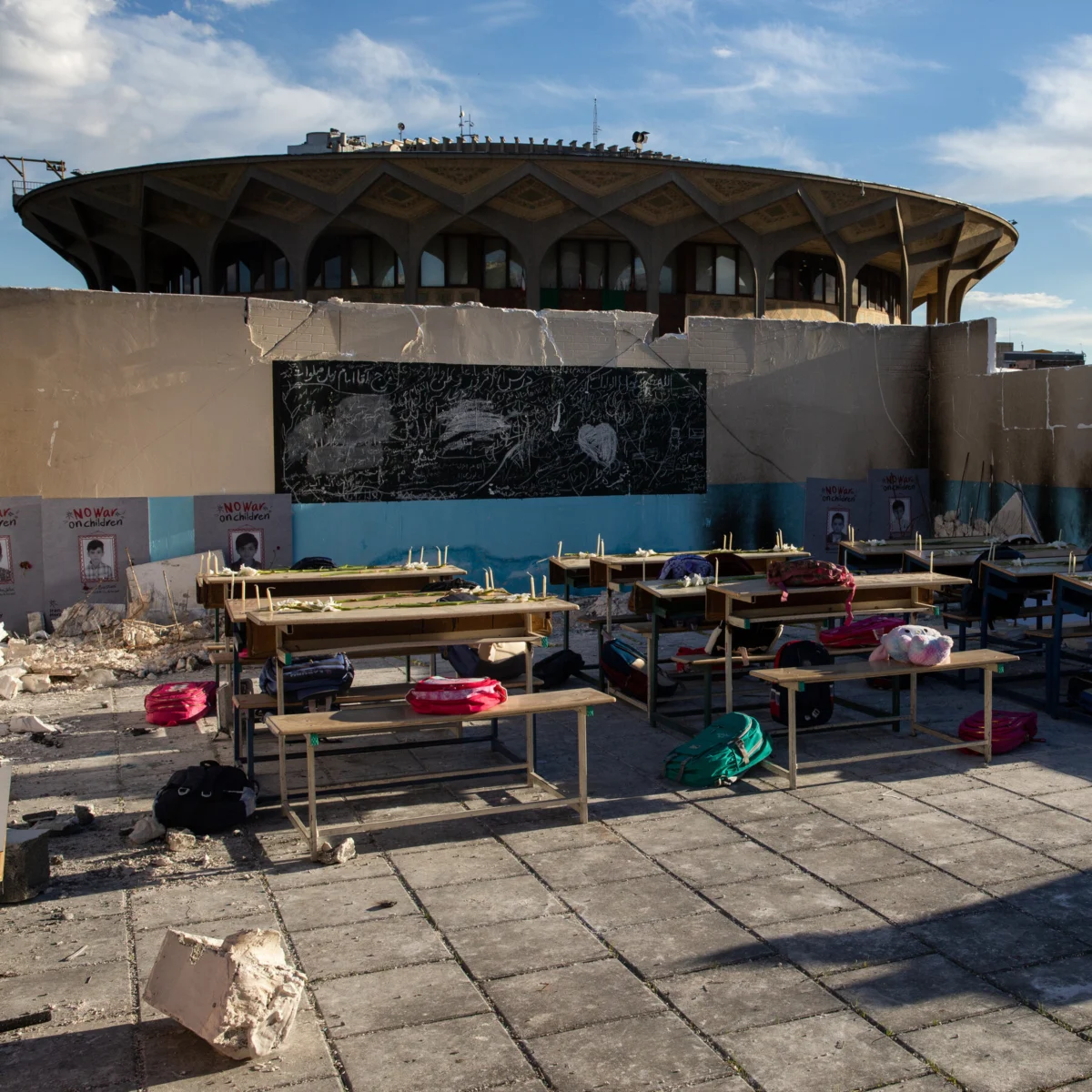
A U.N. investigation has concluded that a U.S. strike on an Iranian school may amount to a war crime, stating that mistakes leading to civilian deaths went beyond negligence. The same report also references a separate strike the same day that killed a reported 22 civilians, raising further concerns about accountability.
According to NYT > World News, the findings highlight a pattern of errors in U.S. military actions that resulted in high civilian casualties, particularly among children. The report does not name specific individuals or date the strikes, but underscores the severity of the consequences when targeting decisions go awry.
Key Facts
- A U.N. report says a U.S. strike on an an Iranian school may have been a war crime.
- Investigators said mistakes leading to civilian deaths went beyond negligence.
- Over 100 children reportedly died in the strike.
- A separate strike the same day killed a reported 22 civilians.
- The investigation was reported by NYT > World News.
The Investigation and Its Findings
The U.N. report focuses on a U.S. strike believed to have targeted an Iranian school, where investigators determined that the resulting deaths of more than one hundred children were not accidental in nature. Instead, they characterized the errors as going beyond mere negligence, suggesting systemic or procedural failures in targeting protocols.
While the report stops short of assigning individual criminal responsibility, the language used implies that the scale and nature of the civilian harm meet thresholds typically associated with war crimes under international humanitarian law. Such determinations often depend on whether the attacking force failed to take feasible precautions or failed to distinguish between combatants and civilians.
This is not the first time questions have been raised over civilian casualties in U.S. airstrikes in conflict zones. Past investigations have led to recommendations for improved oversight and clearer rules of engagement, though implementation remains inconsistent across military branches.
Who Is Affected and How Did We Get Here?
Civilian populations, particularly children, bear the brunt of these findings. The loss of life in the Iranian school strike represents one of the deadliest incidents involving a single attack attributed to U.S. forces in recent memory. Families and communities left behind are grappling with grief and demands for justice.
The second strike referenced in the report adds to the overall toll, with 22 civilians killed on the same day. While the exact locations and circumstances remain unclear, the dual tragedies underscore how rapidly targeting errors can escalate into humanitarian disasters.
International observers have long debated the adequacy of current mechanisms for investigating and prosecuting alleged war crimes committed during active combat operations. Advocates argue that stronger accountability frameworks are needed, while some governments resist external scrutiny of their military conduct.
What Happens Next?
Following the release of the U.N. report, calls for an independent military inquiry are expected to intensify. However, no formal timeline for such an investigation has been announced by U.S. authorities. Similarly, there has been no official comment from the Pentagon or White House regarding the specific allegations outlined in the findings.
For families affected by the strikes, the path forward may include seeking reparations or pursuing legal action through international courts. Whether those efforts gain traction will likely depend on political developments and diplomatic pressure from global partners.
What We Know — and What We Don’t
Verified by the source:
- A U.N. report concluded a U.S. strike on an Iranian school may have been a war crime.
- Investigators said mistakes leading to civilian deaths went beyond negligence.
- More than one hundred children reportedly died in the strike.
- A separate strike the same day killed a reported 22 civilians.
Still unconfirmed:
- The exact date, location, and target type of the school strike.
- The names of any individuals or units involved in either strike.
- Whether U.S. military officials have reviewed or responded to the report.
Why It Matters
Allegations of war crimes carry profound implications for international security and human rights norms. When powerful militaries operate without sufficient transparency or accountability, trust erodes both globally and among allied nations. These findings, if substantiated, could influence future policy decisions around overseas interventions.
What To Watch
Officials have yet to comment publicly on the U.N. report’s conclusions. Monitoring for any formal response from the Pentagon or State Department will be key in determining whether corrective measures or disciplinary actions follow.
A factual statement based on the source: A U.N. report says a U.S. strike on an Iranian school may have been a war crime after mistakes killed over 100 children.