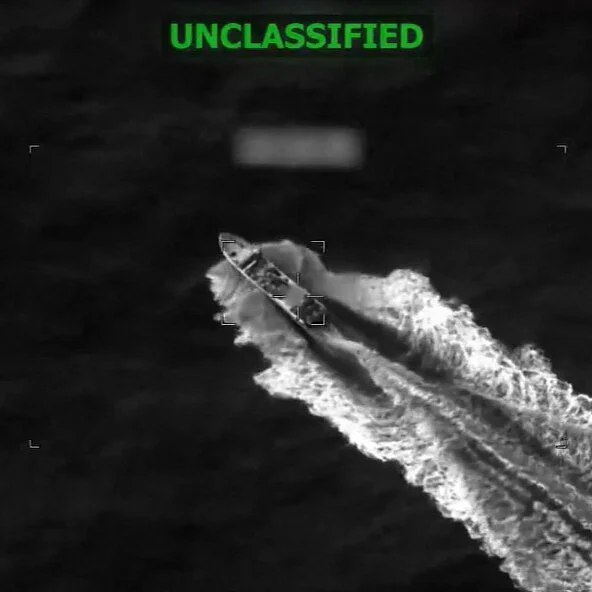
A U.N. human rights investigator concluded that U.S. strikes on alleged drug boats could violate international law and may constitute crimes against humanity, aligning with warnings from other experts.
The findings add to ongoing scrutiny of lethal maritime operations carried out by the U.S. in international waters, where officials have alleged links between targeted vessels and drug trafficking networks.
Key Facts
- A U.N. human rights investigator said U.S. strikes on alleged drug boats may violate international law.
- The investigator joined other experts who warned the deadly attacks breach international law.
- The strikes were described as potentially amounting to crimes against humanity.
What U.S. Boat Strikes Are Under Scrutiny
U.S. operations targeting suspected drug boats typically involve naval or Coast Guard forces boarding or disabling vessels deemed involved in transnational trafficking. These missions, often conducted in international waters, rely on intelligence assessments and real-time authorization from Pentagon officials.
Advocates argue such actions disrupt drug flows and protect regional allies. Critics note the absence of transparent judicial oversight and the high civilian casualty risk when vessels are destroyed without prior warning.
International law permits self-defense and lawful interdiction but restricts arbitrary use of force. The legality of each strike depends on proportionality, necessity, and compliance with due process standards enforced by treaty-bound navies.
Why This Legal Warning Matters
U.N. investigators do not prosecute cases but report findings to the Human Rights Council and General Assembly, influencing diplomatic discourse and potential Security Council deliberations. Their statements carry weight in shaping global norms around accountability and state conduct during armed operations.
Past U.N. inquiries into similar military actions have prompted calls for reparations and policy reforms. While non-binding, their conclusions often reflect consensus among international legal scholars regarding permissible use of force.
Should the U.S. reject these recommendations, it may face increased criticism from multilateral institutions. Alternatively, adopting independent review mechanisms could reduce future allegations of unlawful conduct during counter-narcotics missions.
What We Know — and What We Don’t
Verified by the source:
- A U.N. human rights investigator issued public statements questioning legality of U.S. strikes on alleged drug boats.
- The investigator noted alignment with views expressed by other unnamed experts.
- Potential classifications include violations of international law and crimes against humanity.
Still unconfirmed:
- No specific dates, locations, or vessel names were provided in the summary.
- Number of casualties or destroyed boats remains unstated.
- U.S. response or official defense of the operations was not included.
Why It Matters
As drug-related violence fuels instability across Latin America and West Africa, militarized responses raise urgent questions about sovereignty, transparency, and rule-based order. How powerful nations deploy force abroad influences not only conflict dynamics but also trust in international institutions designed to uphold human dignity and legal norms.
What To Watch
The UN Human Rights Council may formally debate these findings, and further reporting could clarify whether additional investigations or sanctions discussions emerge within multilateral forums.