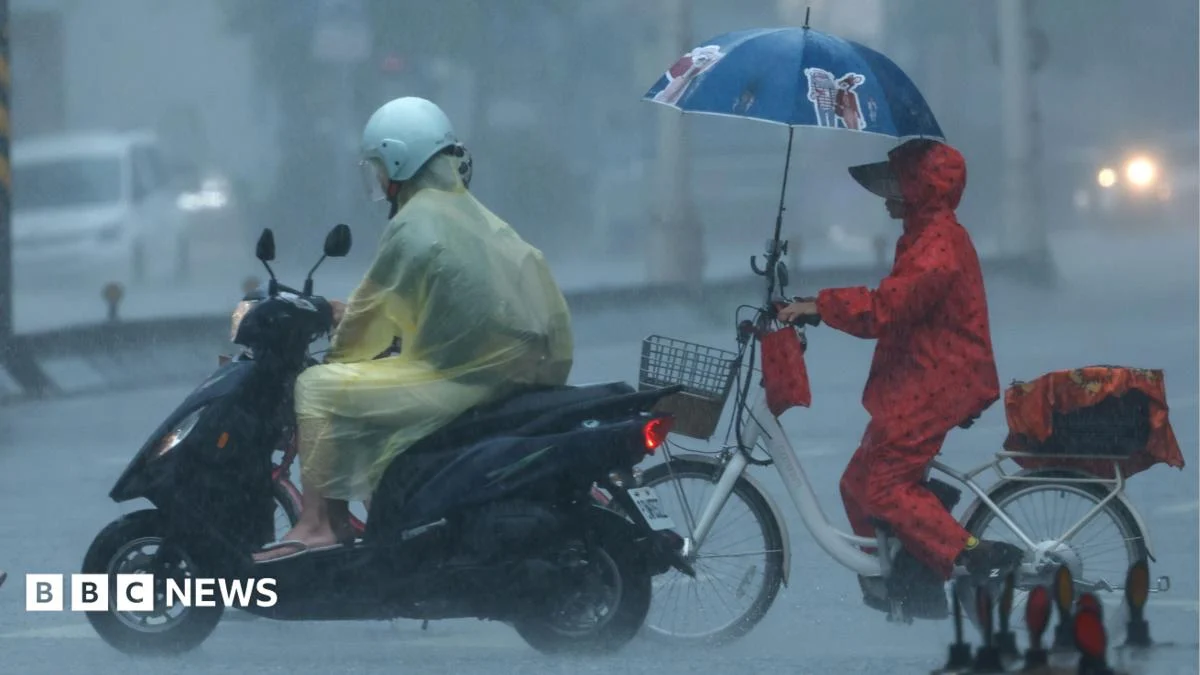
Typhoon Dolphin has caused significant disruption in Japan’s Okinawa, cutting power to at least 44,000 buildings and injuring five people before moving toward China, according to BBC News. The storm’s impact highlights the vulnerability of island regions to severe weather events.
KEY FACTS
- Typhoon Dolphin has cut power to at least 44,000 buildings in Okinawa.
- The storm has injured five people on the Japanese island.
- It is now bearing down on China after affecting Okinawa.
WHAT HAPPENED IN OKINAWA?
Typhoon Dolphin struck Okinawa with enough force to disrupt power for tens of thousands of buildings. The storm’s immediate effects included structural damage and injuries, though the full extent remains unclear. Okinawa, a chain of islands in southern Japan, is no stranger to typhoons but remains vulnerable due to its geographic location.
WHAT HAPPENS NEXT?
With the storm moving toward China, authorities there may brace for similar disruptions. Typhoons in this region often follow predictable paths, but their intensity can vary, making preparedness critical. Residents in coastal areas are typically advised to secure property and monitor updates.
WHAT WE KNOW — AND WHAT WE DON’T
Verified by the source:
- Power outages affected 44,000 buildings in Okinawa.
- Five people were injured.
- The typhoon is heading toward China.
Still unconfirmed:
- The exact severity of property damage.
- Whether China has issued evacuation warnings.
- Projected landfall timing in China.
WHY IT MATTERS
Typhoons like Dolphin pose risks to infrastructure, safety, and economies in affected regions. Okinawa’s experience serves as a reminder of the need for resilient systems in typhoon-prone areas. For more on climate-related risks, see our climate and environment coverage.
WHAT TO WATCH
Monitoring updates from meteorological agencies will clarify the storm’s trajectory and potential impact on China. Authorities may issue advisories as the typhoon approaches.