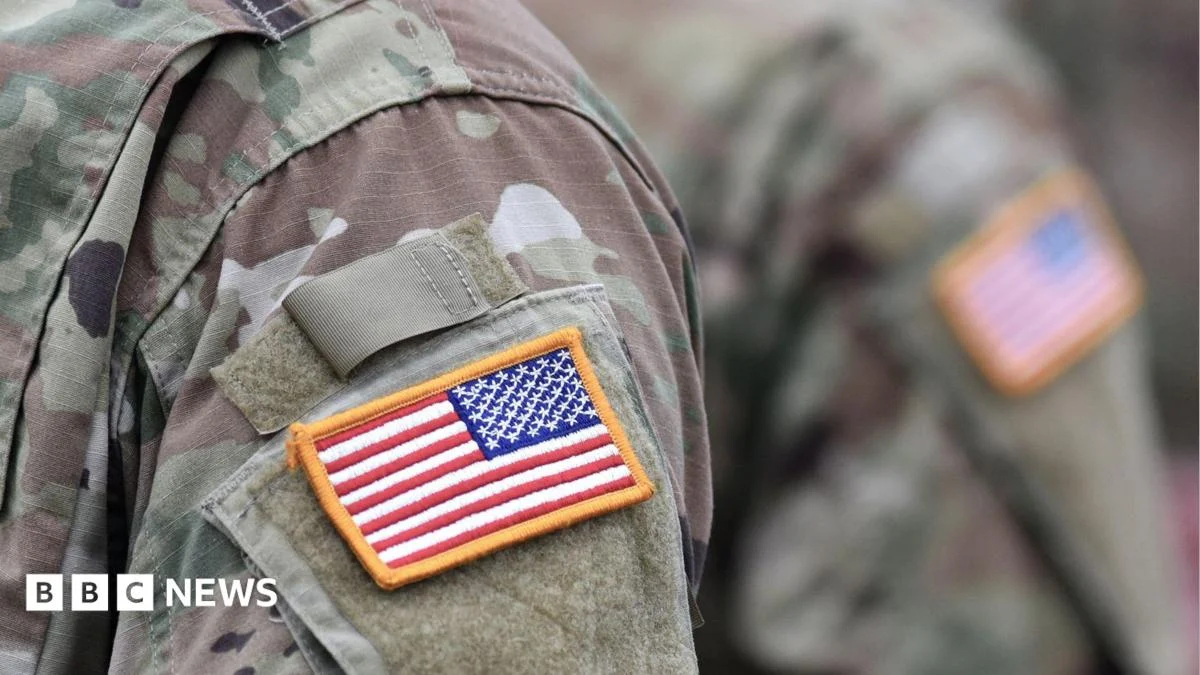
Two US troops were killed and one remains missing after an Iranian attack in Jordan, according to BBC News. The announcement came after Jordan said it intercepted 10 Iranian missiles fired into its airspace overnight into Saturday.
The statement from Jordan highlights a rare direct Iranian missile barrage into its territory, prompting concern about the safety of foreign forces stationed there. While details of the attack remain limited, the incident underscores the heightened volatility in the region and the risks faced by personnel supporting allied operations.
Key Facts
- Two US troops were killed in an Iranian attack in Jordan.
- One US troop remains missing after the Iranian attack in Jordan.
- Jordan announced it intercepted 10 Iranian missiles fired into its airspace overnight into Saturday.
- The announcement about the troops followed Jordan’s statement on intercepted missiles.
What happened to the US troops?
BBC News reports that two American service members died and a third is unaccounted for following an Iranian strike on Jordanian soil. The source does not specify the location within Jordan where the troops were stationed or the nature of their mission. It only confirms the casualties and the missing status as part of the announcement made after Jordan’s missile interception claim.
The report does not describe the attack’s timing beyond the reference to “overnight into Saturday” in Jordan’s statement. No further details about the weapon used, the target, or any immediate response from US forces are provided in the source. The focus remains on the outcome: two fatalities and one missing service member.
Who is affected?
The immediate impact falls on the families of the deceased and missing US troops, as well as their units and the broader US military community. Jordan, as the host nation, also faces potential repercussions from the missile barrage and the resulting casualties on its territory.
Regional observers may see the incident as a test of the security arrangements between Jordan and the United States. While the source does not name any specific organizations or officials, it notes that Jordan communicated its interception of the missiles, indicating an active role in defending its airspace during the event.
What does Jordan say about the missiles?
Jordan stated that it intercepted 10 Iranian missiles launched into its airspace overnight into Saturday. The source provides no information on the type of missile defenses used, the exact flight paths, or whether any missiles struck the ground. It only records Jordan’s claim of successful interception.
This assertion marks a notable development, as direct Iranian missile launches toward Jordan are infrequent. The source does not elaborate on Iran’s motives or any prior warnings, leaving the broader strategic context to be inferred from general knowledge of regional tensions.
What We Know — and What We Don’t
Verified by the source:
- Two US troops were killed in an Iranian attack in Jordan.
- One US troop remains missing after the attack.
- Jordan said it intercepted 10 Iranian missiles fired into its airspace overnight into Saturday.
- The troop casualty announcement followed Jordan’s missile interception statement.
Still unconfirmed:
- The exact location within Jordan where the troops were hit.
- The type of Iranian missiles used and the specific air defense systems Jordan employed.
- Any details about the missing service member’s status or ongoing search efforts.
- Whether Iran has acknowledged responsibility for the launch.
- Future actions by the US or Jordanian militaries in response.
Why It Matters
The incident underscores the persistent risk to US personnel operating in the Middle East, especially amid ongoing tensions between Iran and its neighbors. It also highlights Jordan’s role as a frontline partner in regional air defense, potentially influencing future security cooperation and deterrence strategies in the area.
What To Watch
Observers will look for official updates on the missing service member, any further statements from US or Jordanian authorities, and signs of escalation or de‑escalation between Iran and regional actors.