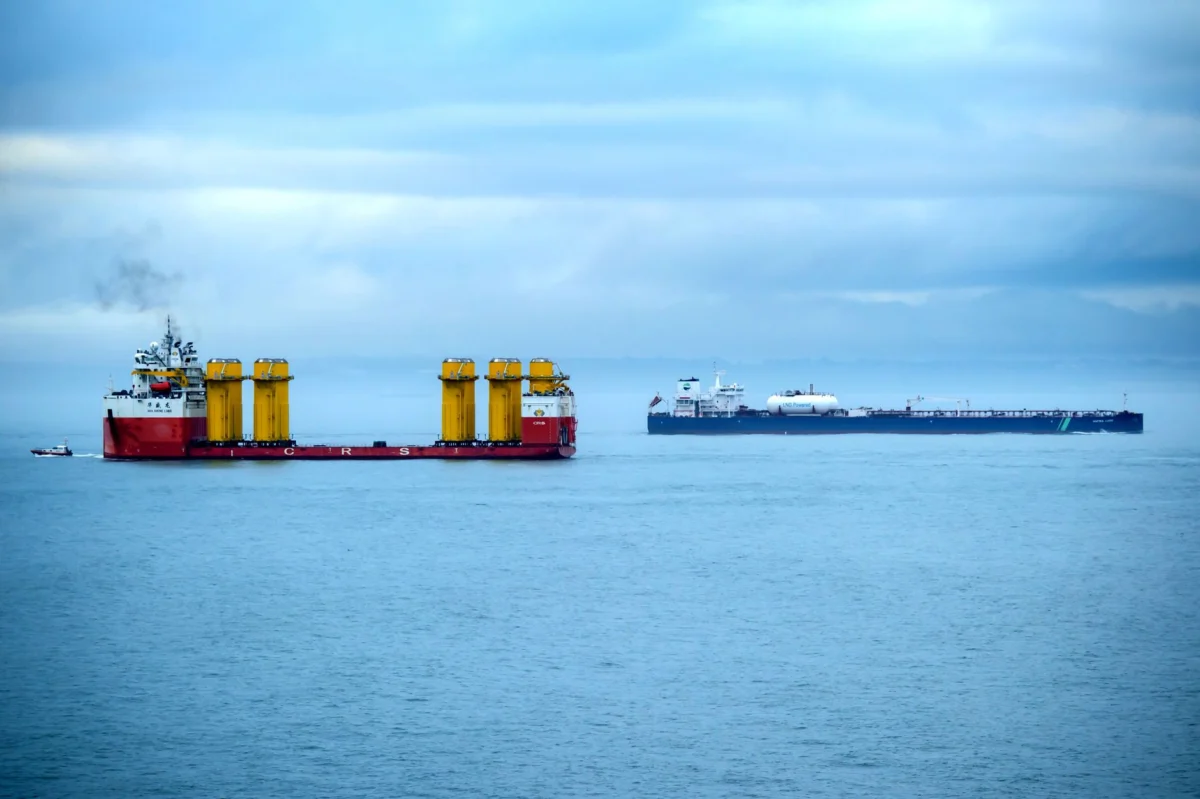
Two ships sank near Hormuz after being hit by projectiles, according to Reuters, amid a recent increase in attacks in the area. The incident adds to growing tension around the strategic Gulf waterway, a key global oil transit route.
Hormuz lies between Iran and the Arabian Peninsula and is one of the world’s most important maritime chokepoints. Any disruption to shipping there can ripple through global energy markets. The reported sinkings come during a period of heightened regional hostilities, with naval forces and commercial vessels increasingly targeted.
Key Facts
- Two ships sank near Hormuz after being hit by projectiles.
- The attacks occurred amid a surge in regional strikes, according to Reuters.
- Hormuz is a strategic Gulf waterway critical to global oil shipments.
What Happened and Why It Matters
The reported sinking of two ships near Hormuz follows a pattern of escalating attacks in the region, according to Reuters. The agency noted that the vessels were struck by projectiles, though it did not specify who launched them or what type of weapons were used. What is clear is that the area has seen increased hostile activity, raising concerns over the safety of commercial shipping.
Hormuz is the narrowest point of the Persian Gulf and serves as a vital passage for roughly one-fifth of the world’s petroleum liquids by volume. Disruptions here typically lead to spikes in oil prices and can affect economies worldwide. While the full details remain unclear, the incident underscores the fragility of global supply chains tied to this region.
Who Is Affected and What Comes Next
Commercial shipping companies, oil producers, and international markets are likely affected by renewed threats near Hormuz. Insurance firms that cover maritime cargo may raise premiums, while governments with naval interests in the region could increase patrols or reconsider trade routes.
Reuters described the incident as part of a broader surge in attacks but provided no timeline or further specifics about when the sinkings occurred. Officials from regional governments and international maritime organizations have not yet issued confirmed statements. As information develops, updates may clarify whether any group claimed responsibility or if additional vessels are at risk.
What We Know — and What We Don’t
Verified by the source:
- Two ships sank near Hormuz after being hit by projectiles.
- The attacks happened amid a surge in regional strikes.
- Hormuz is a major maritime route for global oil exports.
Still unconfirmed:
- Who carried out the projectile strikes.
- The identities or flags of the ships involved.
- The exact time and date of the sinkings.
- Whether any crew members survived or were injured.
- If any party has claimed responsibility for the attacks.
Why It Matters
Attacks near Hormuz threaten one of the world’s most important oil shipping lanes. Even unconfirmed reports of vessel sinkings can rattle markets and prompt governments to reassess naval presence and trade policies.
What To Watch
Further clarity from regional officials or international maritime authorities could confirm details of the incident. Watch for updates on shipping advisories or military responses in the area.