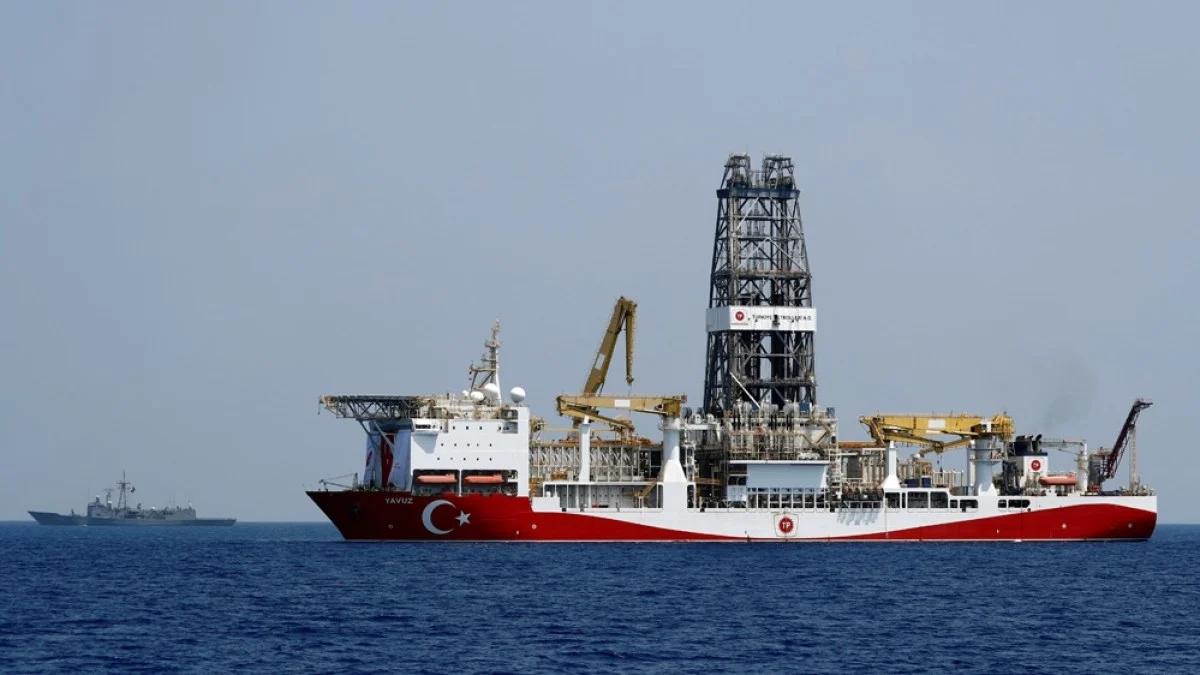
Turkiye’s Libya maritime agreement may signal a shift in Eastern Mediterranean diplomacy after Ankara secured backing from former adversaries in Libya for its maritime border deal, though additional diplomatic hurdles remain unresolved.
The development suggests potential recalibration of regional alliances, particularly between Turkiye and factions previously at odds over territorial waters and energy exploration rights. However, broader geopolitical tensions across the Eastern Mediterranean persist despite this bilateral breakthrough.
KEY FACTS
- Subject: Libya maritime agreement between Turkiye and Libyan parties
- Development: Ankara wins backing from former adversaries in Libya
- Scope: Agreement concerns maritime border delineation
- Caveat: Other diplomatic tests remain unresolved
- Region: Eastern Mediterranean diplomacy involved
Turkiye’s Libya maritime agreement represents one of several ongoing diplomatic initiatives aimed at stabilizing energy-rich waters off North Africa. The deal appears to normalize relations with Libyan factions formerly opposed to Ankara’s regional influence, particularly regarding offshore resource claims.
What happens next?
While the Libya maritime agreement marks a tactical win for Turkiye, analysts note that longstanding disputes involving multiple coastal states — including Greece, Cyprus, and Egypt — complicate any broad realignment.
The framework follows years of competing jurisdictional assertions in the Eastern Mediterranean, where energy discoveries have intensified contestation over exclusive economic zones. Turkiye’s outreach to former Libyan adversaries signals possible hedging amid these wider tensions.
Regional experts emphasize that progress hinges on parallel negotiations beyond this specific accords, especially those addressing NATO coordination, EU energy security, and cross-border migration flows — all sensitive topics likely affecting stakeholder engagement.
How did we get here?
Historical friction over maritime boundaries in the Eastern Mediterranean escalated after major natural gas finds near Cyprus in the early 2000s. These discoveries reshaped strategic calculations among littoral states, prompting new alliance formations and naval deployments.
Turkiye, excluded from initial grouping around the Eastern Mediterranean Gas Forum due to territorial disagreements, pursued independent energy partnerships — including landmark deals with Libya’s Government of National Accord in 2019 and 2020. Those agreements sparked protests from Athens and Nicosia, which reject what they call unilateral expansionism.
Renewed dialogue now emerges amid shifting domestic priorities and external pressure for unified approaches to energy exports via transnational pipelines. Whether this moment reflects durable reconciliation or temporary alignment depends heavily on implementation mechanisms still unspecified by either party.
Turkiye’s Libya maritime agreement thus stands at the intersection of opportunity and uncertainty, offering limited but symbolically significant movement toward de-escalation without resolving foundational issues dividing regional actors. Future developments will test whether incremental steps can build momentum for more comprehensive frameworks governing shared maritime domains.
WHAT WE KNOW — AND WHAT WE DON’T
Verified by the source:
- Ankara secured support from former Libyan adversaries for a Libya maritime agreement
- The deal relates specifically to maritime border demarcation
- Additional diplomatic challenges persist in the wider region
Still unconfirmed:
- Identity or official titles of Libyan signatories involved
- Exact timeline or formal ratification process underway
- Specific terms governing boundary coordinates or resource sharing
Meanwhile, observers question whether similar momentum might extend to other Eastern Mediterranean disputes. No further public statements have clarified timelines or next steps, leaving much to speculation until concrete actions materialize.
WHY IT MATTERS
This tentative advancement could influence energy trade routes and security arrangements spanning Southern Europe, North Africa, and the Middle East — regions linked by overlapping economic interests and recurring instability risks.
What to watch: Regional reactions and potential follow-up accords may determine if this marks a turning point toward cooperative governance or remains an isolated diplomatic gesture. Officials have yet to comment publicly beyond initial summaries.