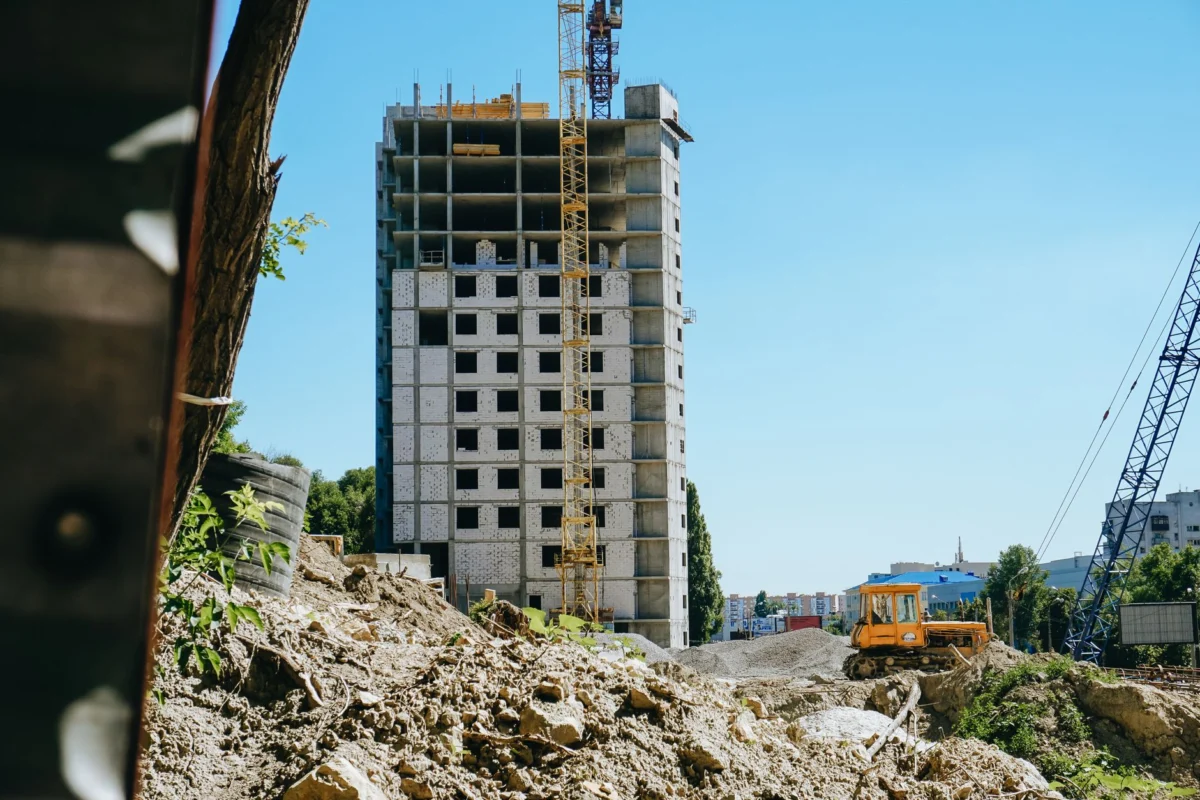
By the end of next year, a fleet of Turkish construction crews could be pouring concrete on schools, hospitals and highways in Ukraine, a plan disclosed in a recent report that places Ankara’s builders at the heart of the country’s reconstruction.
Turkish contractors are expected to win up to $5 billion in contracts for rebuilding critical infrastructure, according to the report sourced from the Google News feed.
What the deal looks like
The proposal bundles dozens of firms—including Enka, Rönesans Holding and Limak—under a coordinated package that would see them handle everything from rubble removal to power‑grid restoration.
Ukrainian officials have earmarked roughly 30 % of the total reconstruction budget for foreign firms with proven track records, and Turkish companies dominate the shortlist.
Why does this matter?
Beyond the billions of dollars, the arrangement signals a shift in Kyiv’s post‑war alliances. Turkey, a NATO member that has balanced ties with Moscow, now stands to gain strategic foothold in Eastern Europe.
For European citizens, the influx of Turkish labor could accelerate the return of displaced families, shorten power outages and restore supply chains that feed food prices across the continent.
Who benefits and who watches?
Ukrainian municipalities will receive faster reconstruction timelines, while Turkish firms anticipate a surge in revenue that could lift domestic employment numbers by an estimated 250,000 jobs.
Western donors, however, are monitoring the deal closely. The United States and European Union have warned that any reconstruction effort must adhere to strict anti‑corruption standards.
Meanwhile, Russian media has dismissed the move as a “political stunt,” suggesting that Ankara’s involvement could deepen NATO’s encroachment on its near‑abroad.
What happens next?
Negotiations are slated to conclude by November, with contracts to be signed before the New Year. If the timeline holds, the first Turkish‑led projects—likely a bridge over the Dnipro River and a regional hospital in Kharkiv—could break ground in early 2027.
Watch this space: the success or failure of Turkish contractors could rewrite the playbook for post‑conflict reconstruction worldwide.