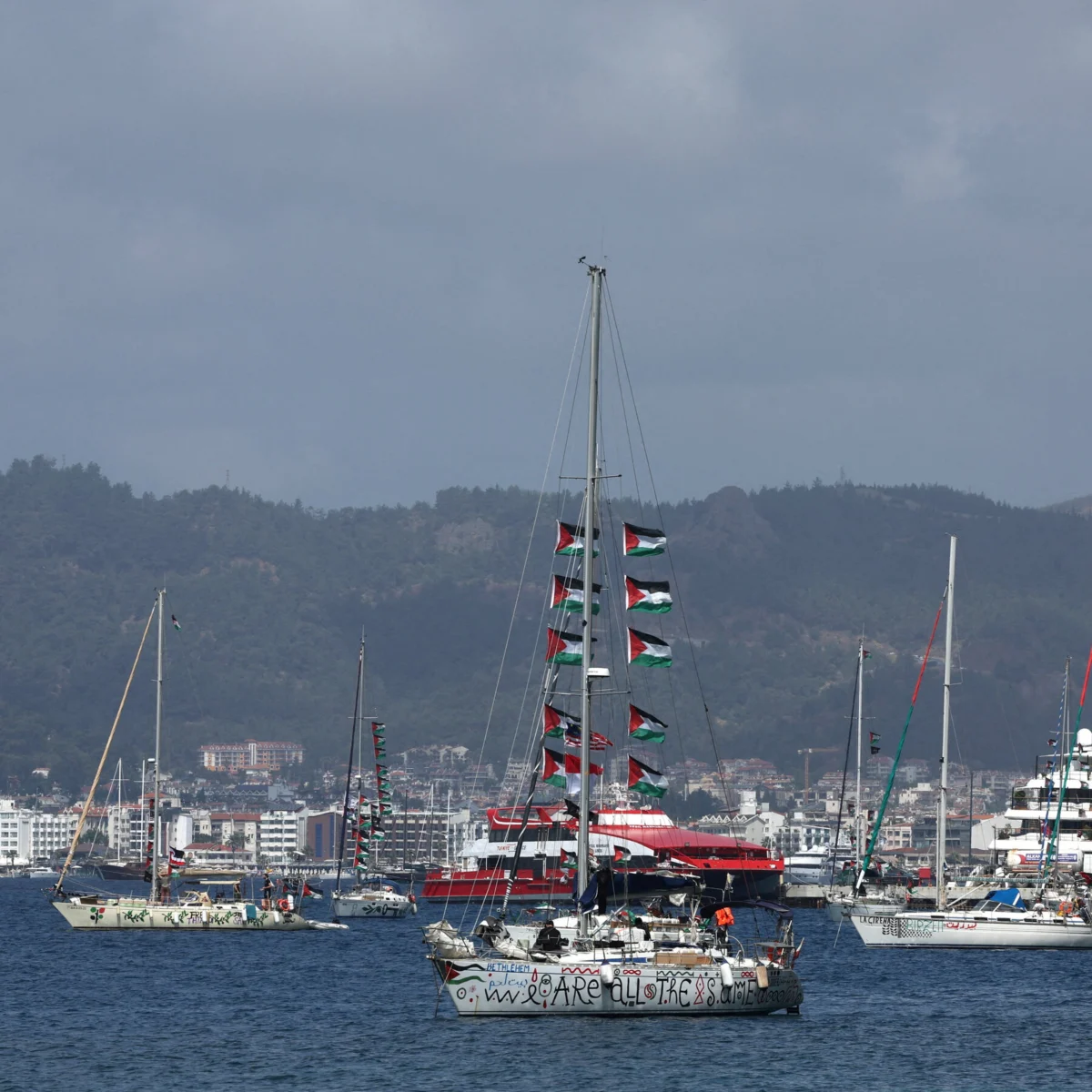
Turkey has requested an Interpol ‘red notice’ for the arrest of Israeli Prime Minister Benjamin Netanyahu, accusing Israel of abusing activists involved in a flotilla incident. This move comes amid escalating tensions between the two nations, highlighting a deepening diplomatic rift.
The request underscores the ongoing strain between Turkey and Israel, exacerbated by contentious events in recent years. The flotilla incident has been a recurring flashpoint in their bilateral relations, with Turkey maintaining a critical stance on Israel’s actions.
Key Facts
- Turkey requested an Interpol ‘red notice’ for Benjamin Netanyahu.
- The request accuses Israel of abusing flotilla activists.
- The move comes amid escalating tensions between Turkey and Israel.
What led to the request?
The request for Netanyahu’s arrest stems from allegations of abuse against activists involved in a flotilla incident. This incident has been a longstanding point of contention between Turkey and Israel, with Turkey frequently criticizing Israel’s handling of the situation. The recent escalation in tensions may be linked to broader geopolitical shifts in the region.
What is a ‘red notice’?
An Interpol ‘red notice’ is a request to law enforcement worldwide to locate and provisionally arrest a person pending extradition, surrender, or similar legal action. While it is not an arrest warrant, it signifies a serious international request for action. Past instances of such notices have often been tied to high-profile political or criminal cases.
What We Know — and What We Don’t
Verified by the source:
- Turkey has formally requested an Interpol ‘red notice’ for Netanyahu.
- The request accuses Israel of abusing flotilla activists.
- Tensions between Turkey and Israel are escalating.
Still unconfirmed:
- The specific details of the alleged abuse.
- Whether Interpol will act on Turkey’s request.
- The broader geopolitical implications of this move.
Why It Matters
This development could significantly impact diplomatic relations between Turkey and Israel, potentially complicating regional stability. It also highlights the role of international legal mechanisms in addressing geopolitical conflicts, as nations increasingly turn to global institutions to pursue their claims.
What To Watch
Attention will be on Interpol’s response to Turkey’s request and any further actions by either country that could escalate or de-escalate tensions. For more on geopolitical developments, visit our war-geopolitics archive.
Turkey’s request for Netanyahu’s arrest underscores growing tensions between the two nations amid allegations of activist abuse.