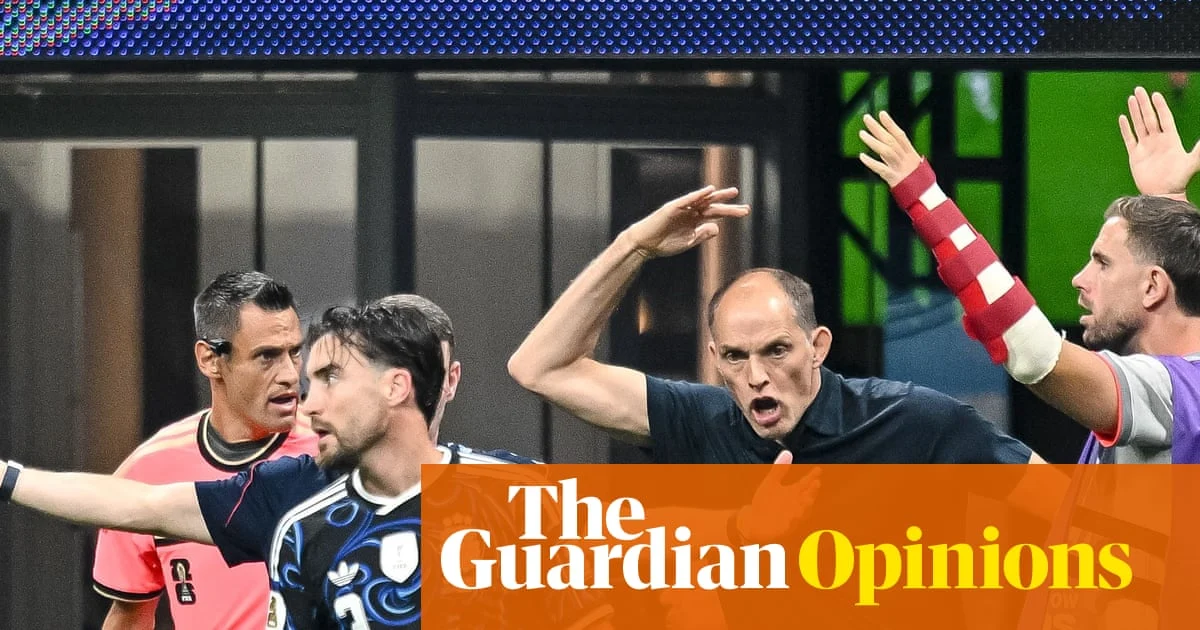
Tuchel faces mounting criticism over England’s World Cup exit, though some point to broader systemic issues rather than solely managerial failure ahead of Euro 2028. The verdict across media and punditry has been largely uniform: the manager has not fulfilled his hiring purpose.
The criticism comes after England’s World Cup campaign ended earlier than expected, with familiar voices in football commentary delivering what sources describe as a final judgment on current leadership. Despite this, analysis suggests underlying structural weaknesses may extend beyond any single appointment, leaving room for renewed optimism as planning begins for Euro 2028.
Key Facts
- Tuchel criticized: Criticism mounts over his handling of recent World Cup performance
- World Cup exit: England’s campaign ended sooner than projected
- Not solely his fault: Underlying weaknesses cited beyond managerial control
- <euro 2028 hopes: Reasons for optimism emerge in buildup to continental championship
- Universal verdict: Critical consensus described as widespread and final
Who Is Affected by This Shift?
The scrutiny directly impacts the current manager, whose position appears increasingly precarious following the tournament disappointment. However, the broader England setup—including players, support staff, and governing figures—also finds itself under renewed examination as stakeholders weigh immediate accountability against long-term development goals leading into Euro 2028.
Analysis suggests the backlash reflects deeper frustrations with consistency and execution levels that have persisted through multiple managerial tenures. Rather than a singular collapse, commentators describe a pattern of unmet expectations that transcend individual appointments, indicating structural concerns within the national team framework.
What Happens Next?
While specific timelines remain unclear, the focus shifts toward evaluating whether current leadership can address identified weaknesses before major tournament qualifying cycles intensify. The conversation around Euro 2028 continues despite ongoing criticism, suggesting planning persists amid uncertainty about personnel continuity.
The gap between public sentiment and institutional response highlights tension between calls for change and strategic patience. With years remaining until the next World Cup cycle and a home European Championship approaching, decisions made now could define England’s trajectory through the latter half of this decade.
What We Know — and What We Don’t
Verified by the source:
- Criticism toward Tuchel has become widespread following World Cup exit
- Verdicts are described as universal with tone of finality
- Underlying weaknesses exist beyond managerial responsibility
- Reasons for optimism identified in Euro 2028 buildup
Still unconfirmed:
- Exact timing or circumstances of World Cup elimination
- Specific identities of critics or commentators referenced
- Details about proposed changes or succession plans
- Nature of systemic issues beyond current management
Why It Matters
This moment captures the recurring challenge facing international football fandom: balancing immediate emotional reactions with long-term strategic thinking. The tension between accountability and continuity affects not just one manager’s future but the broader narrative around national team evolution as England prepares to host a major tournament.
What To Watch
All eyes will likely turn to official communications from relevant bodies regarding leadership decisions and tactical adjustments in coming weeks as Euro 2028 preparations advance.