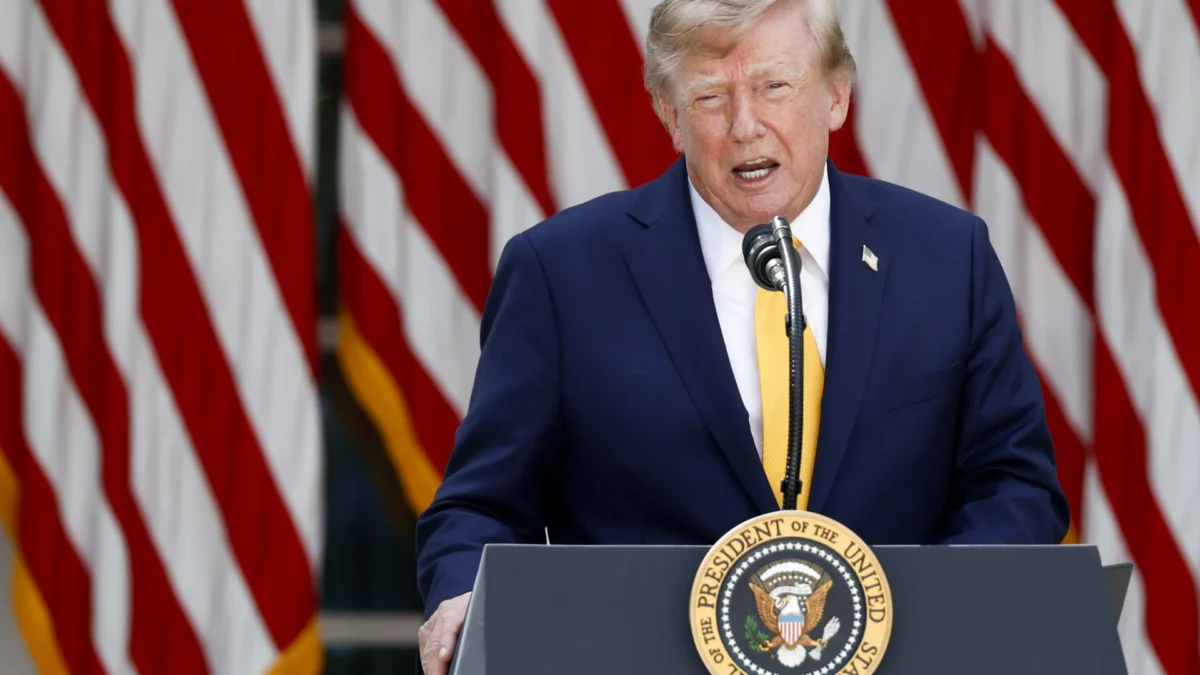
A nuclear agreement between the Trump administration and Saudi Arabia has reached Congress, drawing criticism from Democratic lawmakers and nonproliferation experts over potential proliferation risks. The deal, which does not include a permanent prohibition on enrichment or reprocessing, has raised concerns about its implications for regional security and nonproliferation efforts.
KEY FACTS
- The Saudi nuclear deal negotiated under the Trump administration has been submitted to Congress.
- Some Democratic lawmakers and nonproliferation advocates have criticized the agreement for lacking a permanent ban on enrichment or reprocessing.
- The source does not specify whether the deal has been finalized or is still under review.
What are the concerns about the deal?
Critics argue that the absence of a permanent prohibition on enrichment or reprocessing could enable Saudi Arabia to develop nuclear capabilities that might later be diverted for military purposes. This has sparked fears of a potential arms race in the region, particularly given existing tensions with Iran. Nonproliferation advocates emphasize that such agreements typically include stricter safeguards to prevent misuse.
How does this compare to past agreements?
Previous U.S. nuclear deals, such as the one with the United Arab Emirates, included a “gold standard” clause explicitly banning enrichment and reprocessing. The lack of similar restrictions in the Saudi nuclear deal has led to comparisons and questions about why the standards appear to differ. The source does not provide details on whether Saudi Arabia has committed to alternative safeguards.
WHAT WE KNOW — AND WHAT WE DON’T
Verified by the source:
- The Trump administration’s nuclear agreement with Saudi Arabia has been submitted to Congress.
- Some Democratic lawmakers and nonproliferation experts have raised concerns about the deal’s lack of permanent enrichment or reprocessing bans.
Still unconfirmed:
- Whether the deal includes any alternative nonproliferation safeguards.
- How Congress will respond to the agreement or whether it will seek modifications.
- The specific terms of the deal beyond the absence of enrichment and reprocessing prohibitions.
WHY IT MATTERS
The Saudi nuclear deal could set a precedent for future agreements in the Middle East, impacting global nonproliferation efforts. If weaker safeguards are accepted, other nations may push for similar terms, potentially undermining decades of nonproliferation norms. The debate also reflects broader tensions over balancing energy partnerships with security concerns.
WHAT TO WATCH
Congressional reactions and potential pushback to the deal will be critical in determining its final form. Further details about the agreement’s terms and safeguards may emerge as lawmakers review the proposal.