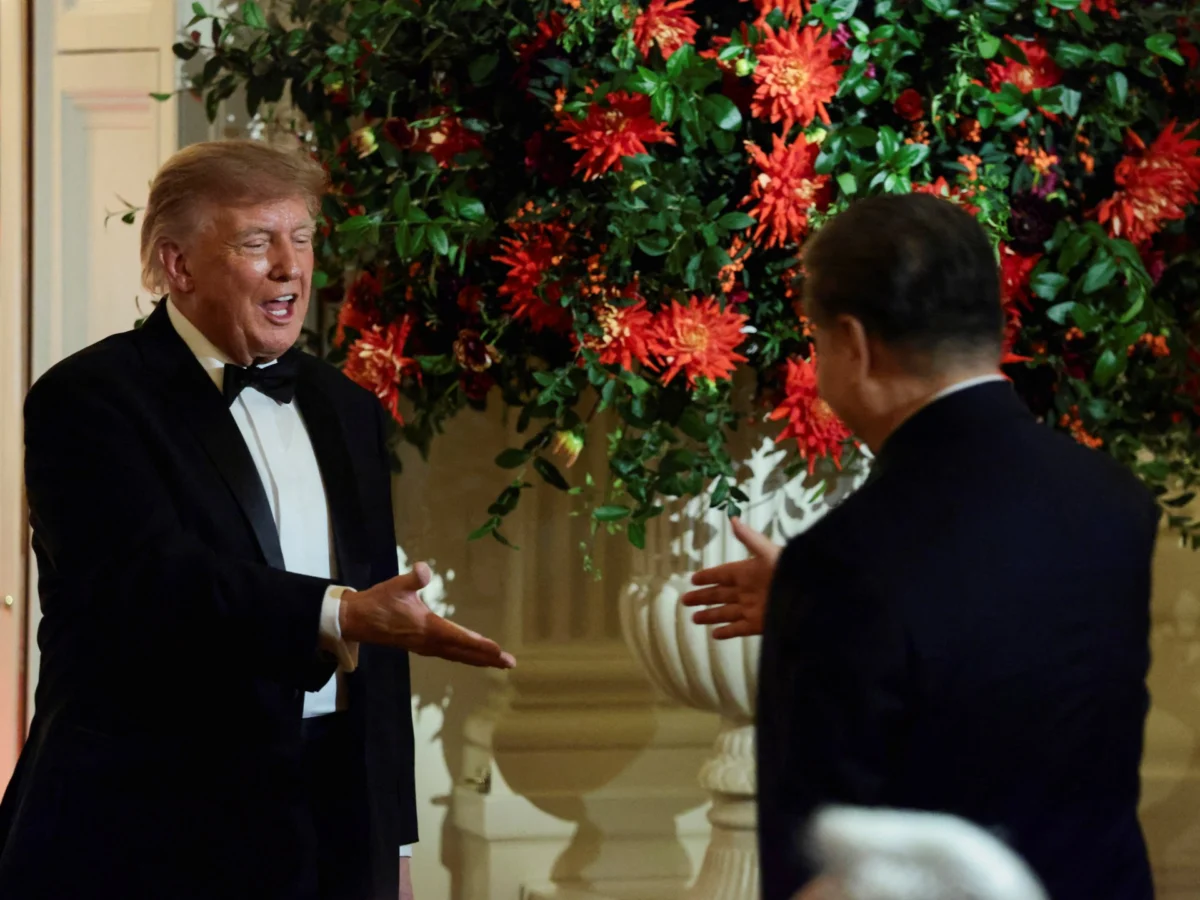
Trump’s China rhetoric has shifted from calling the country cheats to describing a great friendship, marking a significant change in tone.
Recent displays of warmth in Washington stand in contrast to past language used to describe Beijing and Xi Jinping, highlighting an evolving diplomatic stance.
Key Facts
- Trump once labeled China as cheats, but now calls for a great friendship.
- Warmth shown in Washington contrasts sharply with earlier language about Beijing.
- Trump previously criticized China and its leadership using negative descriptors.
- The shift reflects a notable change in U.S.-China diplomatic rhetoric.
What Drives This Shift?
The transformation in Trump’s China rhetoric suggests changing priorities in U.S. foreign policy. Earlier statements painted China as an economic adversary, accusing it of unfair trade practices and intellectual property theft. Now, rhetoric emphasizes collaboration and mutual benefit. This contrast indicates either a recalibration of strategy or a response to evolving geopolitical dynamics. Analysts often track such shifts to understand potential policy realignments and their implications on trade, security, and global influence.
How Did We Get Here?
Past comments from Trump portrayed China in starkly negative terms, framing it as a threat to American economic interests. Phrases like ‘cheats’ implied deliberate deception and unfair advantage. In contrast, recent remarks emphasize partnership and positive bilateral relations. This evolution may reflect internal discussions, changing advisors, or adjustments based on outcomes. The public nature of these statements underscores how rhetoric shapes perception and signals intent to allies and adversaries alike. Understanding this shift helps clarify current approaches to negotiation, conflict resolution, and strategic positioning.
What To Watch Next
Future statements and actions will reveal whether this warmer tone translates into concrete policy changes or remains rhetorical. Upcoming meetings, trade discussions, and joint initiatives may provide further insight into the durability of this new direction in Trump’s China rhetoric. Experts note that consistency between words and deeds will be key to assessing long-term impacts on international relations.
What We Know — and What We Don’t
Verified by the source:
- Trump’s earlier rhetoric referred to China using negative terms like ‘cheats’.
- Recent interactions show warmer sentiment compared to previous characterizations.
- Beijing and Xi Jinping were previously described in contrasting tones.
Still unconfirmed:
- Specific dates, events, or quotes behind the rhetoric shift.
- Whether policy changes accompany the new tone.
- Internal or external factors prompting this transformation.
Why It Matters
Diplomatic language shapes international relationships and public perception. Changes in Trump’s China rhetoric can influence trade negotiations, alliance structures, and global stability, affecting economies and security worldwide.