Lede
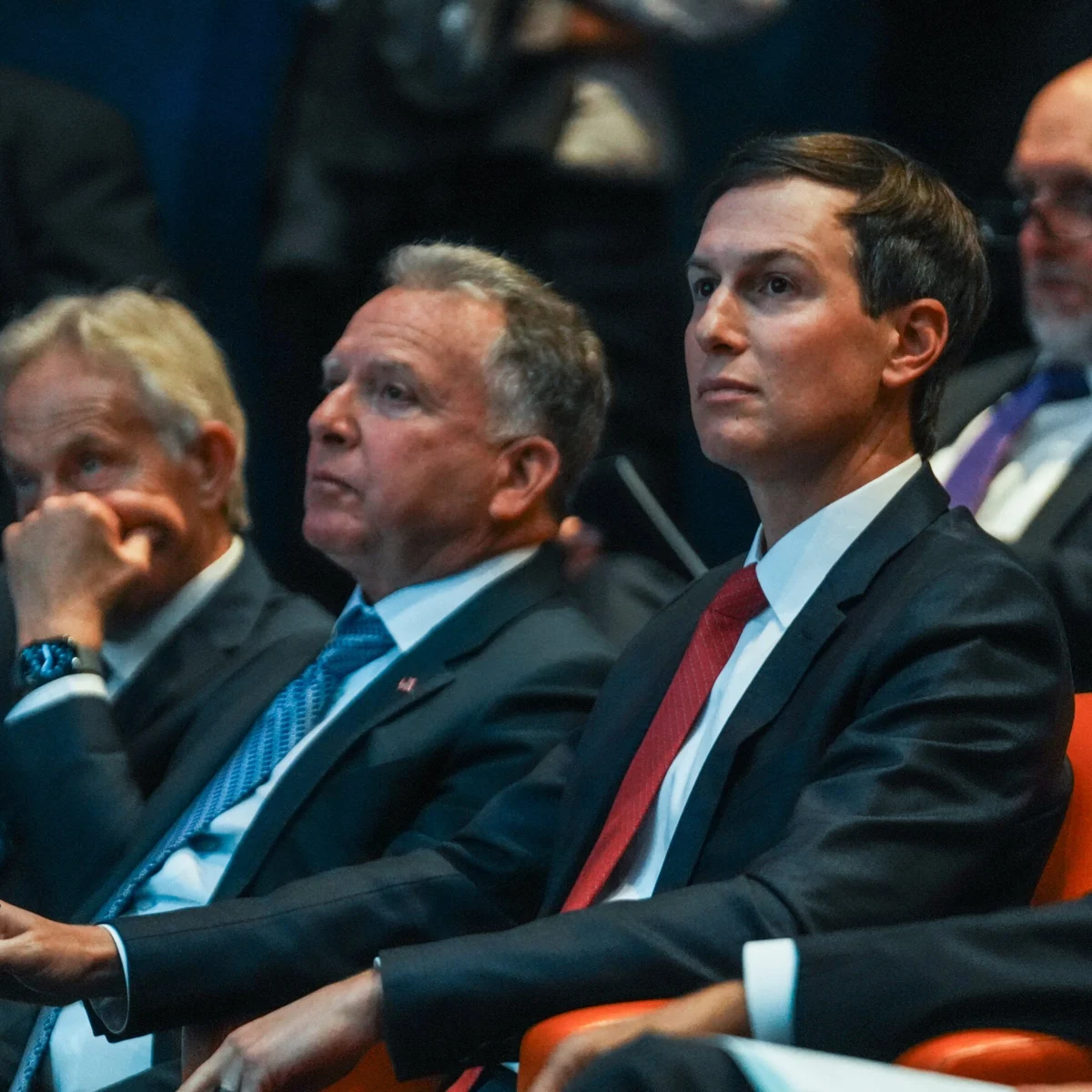
Trump’s Board of Peace laid out a six-month Gaza peace plan to donors on the sidelines of the U.N. General Assembly, even as some world leaders criticized Israel’s continued attacks and restrictions on humanitarian access in the Palestinian enclave.
The briefing, delivered off the main UNGA stage, comes as international diplomacy intensifies around a territory where humanitarian conditions remain severely constrained and armed conflict continues. The board’s outreach to donors suggests an effort to build support for its proposed timeline, though the specifics of the Gaza peace plan were not detailed in reporting by NYT > World News.
The timing of the presentation coincides with heightened diplomatic activity at the U.N., where the Israeli-Palestinian conflict remains a central topic despite competing global priorities. Donors present at the sidelines event were briefed on the board’s phased approach, though the practical steps underpinning the Gaza peace plan remain largely unclarified in available reporting.
KEY FACTS
- A six-month Gaza peace plan was presented by Trump’s Board of Peace to donors.
- The briefing took place on the sidelines of the U.N. General Assembly.
- Some world leaders criticized Israel’s continued attacks and humanitarian restrictions.
- Russia and China were mentioned as potential participants in future negotiations.
- Challenges include donor skepticism and ongoing humanitarian blockades.
THE STORY
What happens next?
Future phases of the Gaza peace plan may involve expanded donor participation, including from Russia and China, according to reporting. These nations could play roles in either mediating or complicating implementation depending on how their interests align with existing regional dynamics.
The plan’s phased rollout implies incremental progress, but details on sequencing or benchmarks remain sparse. Without clearer timelines or milestones laid out publicly, assessing how closely future developments match the board’s stated goals will prove difficult.
Diplomatic engagement at the U.N. continues through late September, with side events likely shaping donor sentiment toward any new initiatives like this one.
Who is affected?
Palestinians living under blockade face disproportionate impact from delays in aid delivery and restrictions tied to the current ceasefire structure. Any shifts in policy driven by donor-backed frameworks could directly alter access to essential services like food, water, and medical care.
For participating donors — especially those weighing financial commitments — outcomes hinge on whether credible enforcement mechanisms exist within the Gaza peace plan. Past efforts have faltered amid mistrust between parties involved.
World leaders attending the UNGA session indirectly influence momentum behind such proposals, particularly when issuing statements critical of belligerents’ conduct during active hostilities.
How did we get here?
Trump’s Board of Peace represents a renewed attempt at structured negotiation following years of stalled talks and recurring violence. Its emergence reflects broader trends in multilateral diplomacy seeking alternative pathways amid gridlock elsewhere.
Past truces collapsed due to violations attributed to multiple sides, raising doubts about longevity unless accountability measures are embedded early. Reporting notes that donor hesitancy stems partly from previous cycles ending without durable resolution.
Recent UNGA sessions have increasingly centered humanitarian crises linked to protracted conflicts, suggesting growing appetite among global actors for coordinated responses backed by concrete action plans like the one outlined here.
What We Know — and What We Don’t
Verified by the source:
- A six-month Gaza peace plan was outlined to donors at the U.N. General Assembly.
- World leaders criticized Israel’s attacks and restrictions on humanitarian access.
- Russia and China were suggested as possible future participants in negotiations.
- Donor interest exists but hesitancy persists based on past experiences.
Still unconfirmed:
- The detailed contents or formal adoption status of the Gaza peace plan.
- Specific names or titles of individuals representing the Board of Peace.
- Exact dates or phases beyond the initial six-month scope.
- Official responses from Israel or Hamas regarding the proposal.
WHY IT MATTERS
This development matters because it highlights ongoing international attempts to de-escalate the Israeli-Palestinian conflict amid worsening humanitarian conditions. A coordinated Gaza peace plan supported by key donors could shift momentum toward stability — though success hinges on execution and enforcement.
For readers globally, the stakes involve regional security, refugee displacement, and the credibility of multilateral institutions tasked with mediating such disputes. Understanding these nuances helps clarify how geopolitical decisions ripple into everyday life across conflict zones.
WHAT TO WATCH
Monitoring whether additional countries join as mediators or signatories will signal broader acceptance of the framework. Equally important is tracking whether humanitarian access improves alongside diplomatic momentum.
Meta description: Trump’s Board of Peace proposed a six-month Gaza plan at the UNGA amid criticism of Israel’s humanitarian restrictions.