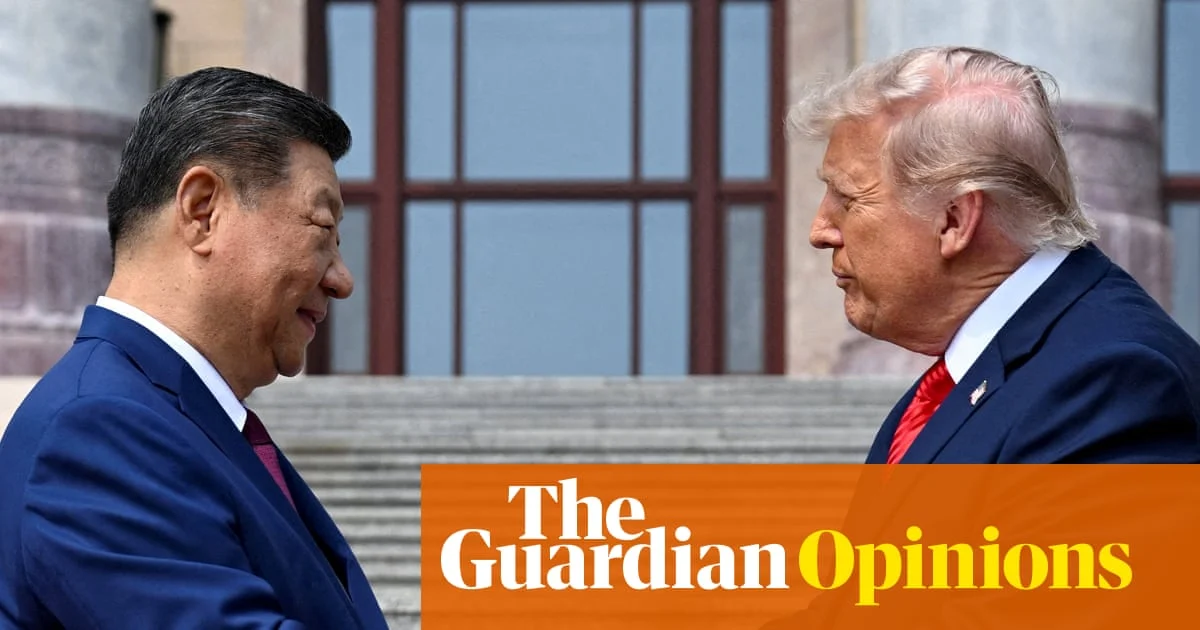
Alan Finkel argues that U.S.-China cooperation on artificial intelligence oversight may be essential as AI capabilities advance at a pace outstripping governance efforts.
The warning reflects growing concern among some researchers and technologists that rapid progress in AI systems could outstrip the ability of governments and institutions to manage resulting risks. A researcher at Anthropic reportedly resigned, citing fears that AI development was heading toward a confrontation with humanity, according to commentary published by The Guardian.
KEY FACTS
- Tech firm CEOs warn about the rate of AI change.
- AI capability is reported to double every four months.
- A researcher at Anthropic resigned over AI safety concerns, per The Guardian.
- Unregulated tech competition is said to risk global infrastructure and human existence.
The crisis
Commentary in The Guardian frames a developing crisis: the gap between how quickly AI systems advance and how slowly international norms and oversight develop.
According to this view, competition between major technology firms and between the United States and China is accelerating deployment without adequate safeguards.
Potential scenarios mentioned in the commentary include robotic weaponry and systematic manipulation, though no specific incidents are described.
What happens next?
The article poses diplomatic cooperation between U.S. and Chinese leadership as one possible path to managing AI risks.
It emphasizes that unregulated competition may threaten critical infrastructure and, in extreme cases, human existence.
No concrete policy proposals or timelines are given, only a general call for coordinated action.
What We Know — and What We Don’t
Verified by the source:
- Commentary was published by The Guardian.
- Tech CEO warnings about AI change rate are referenced.
- Anthropic researcher departure is attributed to The Guardian.
Still unconfirmed:
- Exact identity and titles of CEOs making warnings.
- Independent confirmation of the four-month capability doubling.
- Official responses from governments or tech firms.
- Specific policy measures or diplomatic steps planned.
Why it matters
The discussion sits at the intersection of technology, geopolitics, and global security. Even commentary-only pieces signal rising attention among policymakers and technologists to the possible consequences of unchecked AI development, which may influence future regulation and international dialogue.
What to watch
Future statements from governments and AI developers may clarify whether any formal cooperation frameworks are being discussed. The commentary suggests diplomatic engagement could follow increasing public and expert pressure.
Meta description: Commentary urges U.S.-China cooperation on AI oversight as capabilities reportedly double every four months, raising infrastructure and existential concerns.