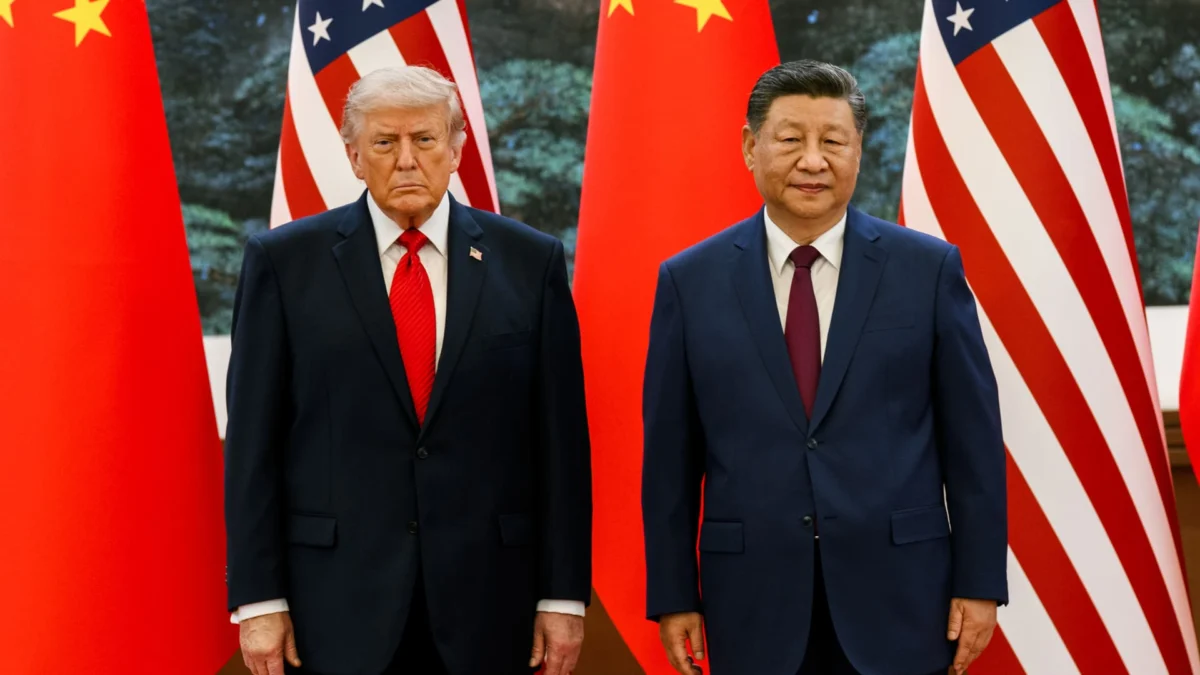
The upcoming Trump-Xi meeting places AI safety discussions on the diplomatic agenda, even as both nations resist slowing their respective AI programs.
Analysts told CNBC that U.S. and Chinese leaders will prioritize AI safety amid escalating global concerns, yet neither side signals readiness to decelerate progress in artificial intelligence.
Key Facts
- Trump-Xi summit puts AI safety talks on the table.
- Neither side wants to slow down AI development.
- AI safety fears have risen sharply in recent weeks.
- Analysts told CNBC that AI safety is a key focus for both leaders.
What happens next?
With AI safety at the top of bilateral talks, investors are watching how Washington and Beijing balance regulation with innovation. The outcome may shape everything from semiconductor trade to startup funding flows across the economy and markets sector.
Analysts suggest that any joint guidance on AI risk management could influence stock valuations, particularly for chipmakers and large-scale compute providers. Still, neither government has proposed binding restrictions, meaning market dynamics will likely remain driven by private-sector deployment schedules.
Observers also note that any progress—or deadlock—on AI safety protocols could ripple into existing tech policy frameworks. For businesses, this means preparing for possible new reporting standards or cross-border testing agreements, though exact mechanisms remain unspecified.
Why AI safety now
Concerns over AI safety emerged alongside breakthroughs in generative models and autonomous systems, raising questions about misuse, bias, and national security risks. These developments align with broader shifts in the tech-AI landscape, where governments worldwide are rethinking oversight strategies.
U.S.-China tensions over semiconductor access, data governance, and export controls add urgency to safety dialogues. At stake are not only ethical considerations but also the future architecture of digital infrastructure shared by consumers and enterprises globally.
While prior summits centered on trade tariffs and climate accords, this one underscores a pivot toward technological risk mitigation. Whether concrete frameworks will emerge depends on political will rather than technical consensus alone.
What We Know — and What We Don’t
Verified by the source:
- Trump and Xi plan an upcoming summit.
- AI safety is expected to be discussed.
- Fears about AI safety have grown recently.
- Analysts cited AI safety as a priority for leaders.
Still unconfirmed:
- No specific date or location provided.
- No details on agenda items beyond AI safety.
- No quotes or official statements included.
Why It Matters
This potential dialogue reflects how frontier technologies increasingly define geopolitics. As AI reshapes industries from finance to healthcare, coordinated safety norms become vital—not just for governments, but for every company investing in scalable automation and machine intelligence.
What To Watch
Next steps include whether either party releases preparatory documents outlining AI safety priorities. Until then, markets await clarity on policy signals that could recalibrate global tech investment trajectories.