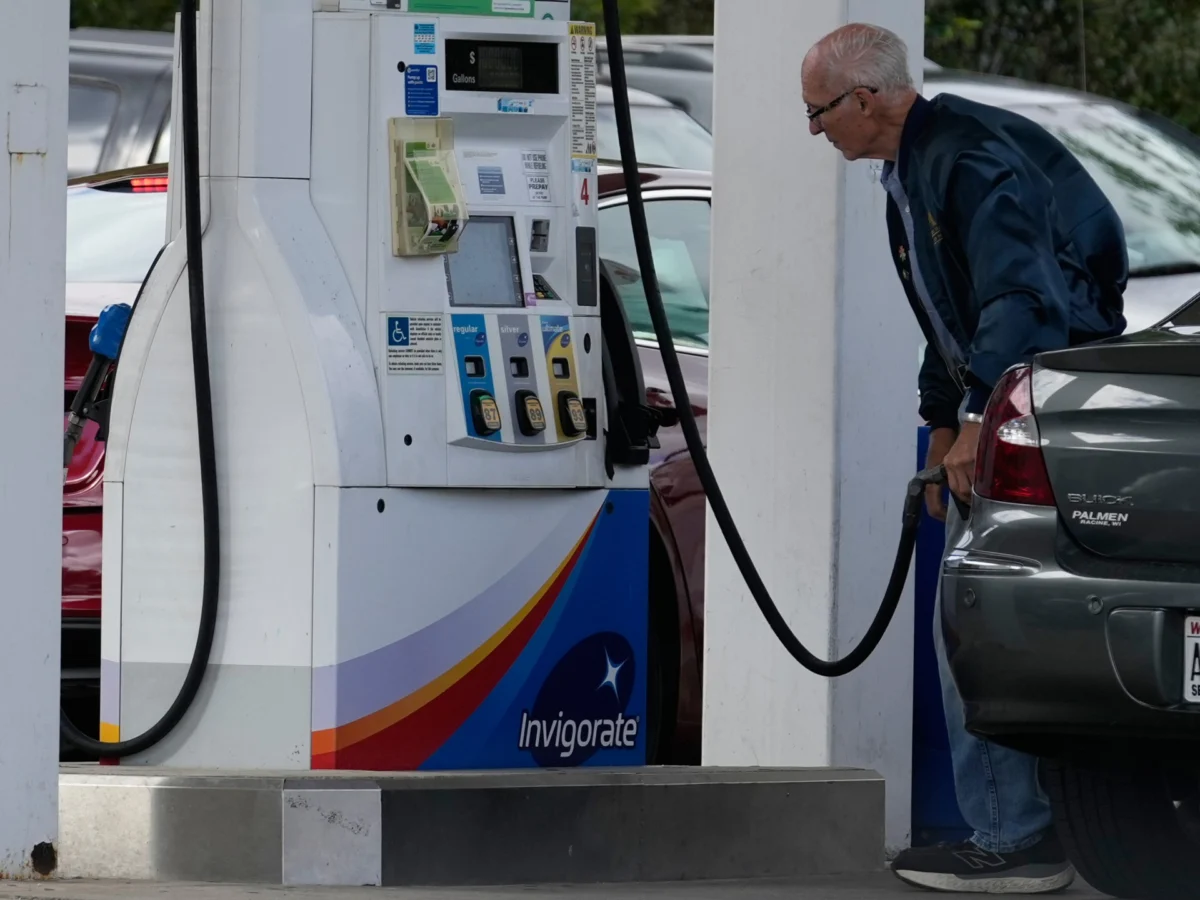
President Trump announced plans to roll back Biden-era US fuel economy rules for cars. The policy change would end a so-called ‘EV mandate’ that had steered consumers toward electric vehicles during the previous administration.
The announcement signals a shift in automotive regulatory approach, reversing standards implemented by the prior administration. According to reporting, the rollback targets fuel economy regulations that had been designed to encourage electric vehicle adoption among American consumers.
- President Trump announced rollback of Biden-era US fuel economy rules
- Policy would end ‘EV mandate’ steering consumers to electric vehicles
- Ruling reverses previous administration’s automotive emission standards
What happens next?
The specific timeline and procedural steps for implementing the fuel economy rule rollback remain unclear. Federal agencies would need to follow established regulatory processes to formally reverse the existing standards, which typically involves public comment periods and administrative reviews.
How did we get here?
The current fuel economy rules were established during the previous administration as part of broader environmental and energy policies. These regulations had required automakers to meet specific efficiency targets and had included provisions encouraging electric vehicle production and sales. The new administration’s approach represents a significant pivot from those prior policy directions.
Who is affected?
American automakers, consumers, and environmental groups would all feel the impact of any fuel economy rule changes. Automakers have invested heavily in electric vehicle development and infrastructure, while consumers may see shifts in available vehicle options and pricing structures.
Verified by the source:
- President Trump announced plans to roll back US fuel economy rules for cars
- The rollback would end an ‘EV mandate’ that steered consumers toward electric vehicles
- The policy change reverses Biden-era automotive regulations
Still unconfirmed:
- Specific timeline for implementing the fuel economy rule changes
- Detailed process for reversing current automotive emission standards
- Exact scope and future requirements under the new policy framework
These fuel economy rules intersect with broader economic and environmental policy discussions affecting American industry and international climate commitments. Changes to automotive regulations influence manufacturing decisions, consumer behavior, and international competitiveness in the global car market.
Key stakeholders including automotive manufacturers, environmental advocates, and consumer groups will be watching for formal policy announcements and regulatory procedures as the administration moves forward with these changes.