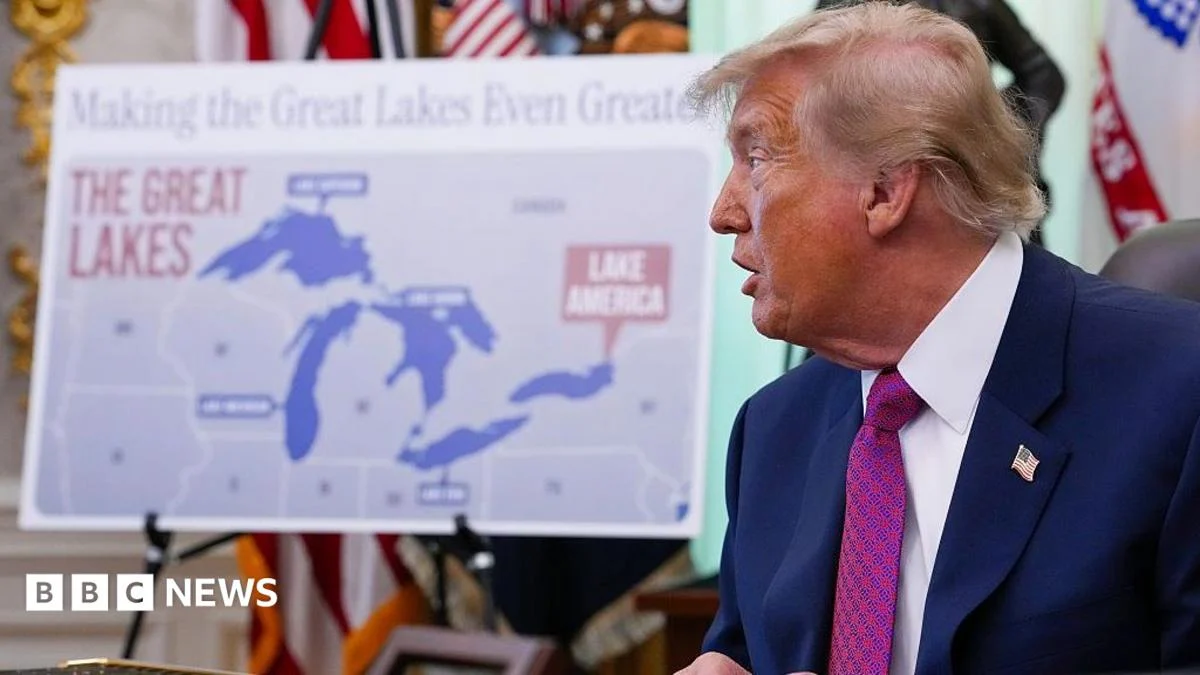
Former President Trump has made a request to Apple, urging the tech giant to rename Lake Ontario as ‘Lake America‘ on its mapping services. This request follows a recent action by Google, which reportedly implemented the name change for its US-based users over the weekend. Meanwhile, another mapping provider, MapQuest, has indicated that it will not be adopting the proposed name change.
The move by Mr. Trump to influence the naming conventions on digital maps highlights a broader interest in how geographical features are represented in digital formats. The varying responses from major tech and mapping companies underscore the differing approaches to such requests.
Key Facts
- Mr. Trump has pushed Apple to change ‘Lake Ontario‘ to ‘Lake America‘ on its maps.
- Google reportedly made the switch to ‘Lake America‘ for US-based users over the weekend.
- MapQuest, a US map provider, stated it will not change the name.
The Request for ‘Lake America’
The push by Mr. Trump for Apple to rename Lake Ontario as ‘Lake America‘ on its maps represents a significant intervention into the presentation of geographical information by private companies. This request directly targets Apple, a major provider of mapping services globally. The motivation behind such a name change, particularly for a well-known geographical feature, could relate to national identity or other symbolic intentions. The expectation is that Apple would consider this request in light of its global user base and established mapping protocols. [Politics]
How Are Mapping Services Responding?
The situation has created a notable split in responses from prominent mapping service providers. Google, one of the world’s leading technology companies, reportedly made the change for its US-based users over the weekend. This suggests a willingness by some platforms to entertain or implement such renaming requests, at least for specific user demographics. Conversely, MapQuest, another established US map provider, has publicly stated its intention not to adopt the ‘Lake America‘ name. This contrasting position highlights the independent editorial decisions made by different companies regarding geographical nomenclature on their platforms.
What are the Implications for Digital Cartography?
The varying responses from Google, Apple, and MapQuest to the proposed renaming of Lake Ontario raise questions about the authority and influence in digital cartography. The power to alter names of significant natural landmarks on widely used digital platforms can have both symbolic and practical implications. For users, such changes could impact how they identify and search for locations. For the mapping companies, accepting or rejecting such requests might involve weighing political pressure against established geographical conventions and the potential reactions from their international user base. This dynamic interplay showcases the evolving nature of digital map content.
What We Know — and What We Don’t
Verified by the source:
- Mr. Trump is urging Apple to rename Lake Ontario to ‘Lake America’ on its maps.
- Google has reportedly changed ‘Lake Ontario’ to ‘Lake America’ for US-based users.
- MapQuest has stated it will not change the name of Lake Ontario.
Still unconfirmed:
- Apple’s official response to Mr. Trump’s request.
- The specific date or time when Google implemented the name change.
- The exact reasons behind Google’s decision to change the name for US users.
- The geographical scope of Google’s name change beyond US-based users.
- Any official statement from Mr. Trump detailing his reasons for the request.
Why It Matters
This development matters as it illustrates the intersection of political influence and digital information, specifically regarding how geographical features are presented on widely used platforms like Apple and Google Maps. The decisions made by these tech companies in response to such requests can set precedents for how digital maps reflect national identity, political sentiments, or traditional geographical names, potentially impacting user perception and international relations. [Tech & AI]
What To Watch
Future developments will likely focus on Apple’s official response to Mr. Trump’s request and whether other mapping services will be prompted to address similar naming conventions.