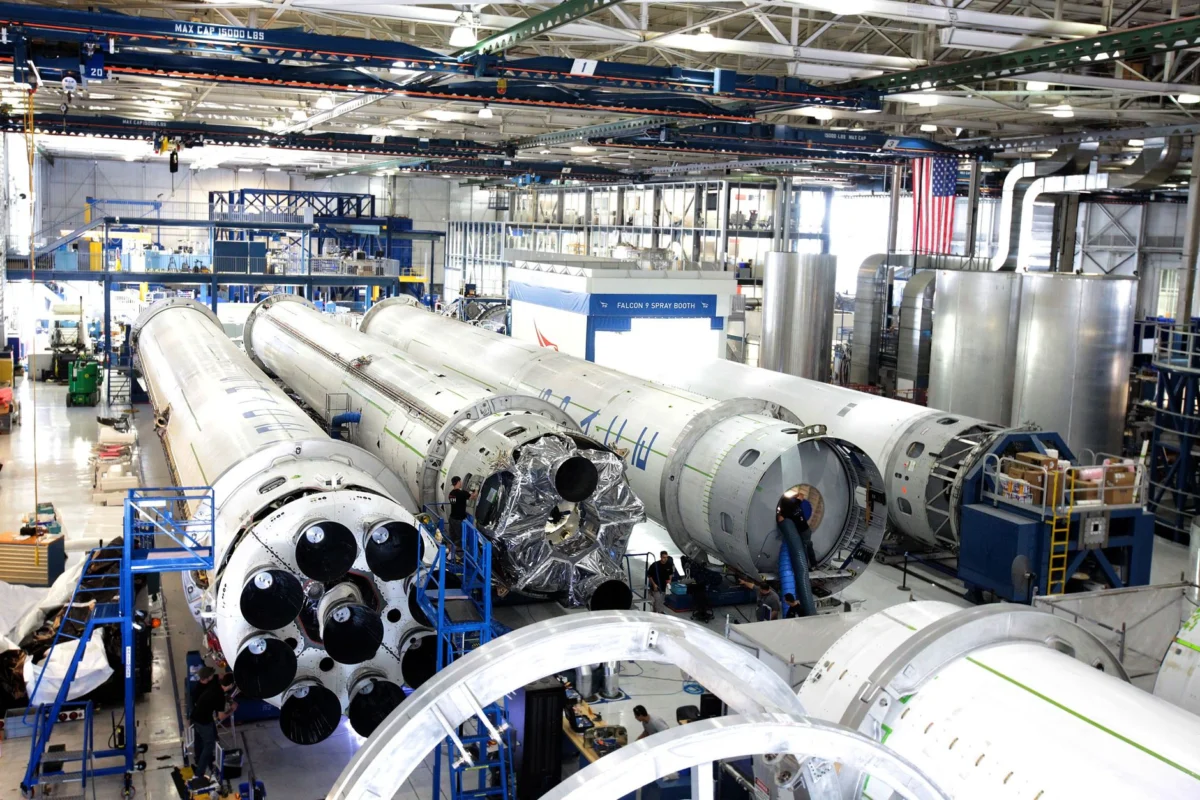
A U.S. rocket motor maker with ties to the Trump family has been valued at $1.4 billion, according to a report by Reuters. The company, which has not been named in full detail, is reportedly connected to business dealings involving members of the Trump family. The valuation reflects growing interest in space-related ventures, particularly amid increased private-sector investment in aerospace technologies.
The rocket motor maker’s $1.4 billion valuation places it among the larger players in the competitive satellite launch and propulsion market. While specific financial terms and transaction details remain unclear, the report underscores how personal connections can influence business valuations in high-stakes industries like aerospace. As governments and private firms race to develop advanced space capabilities, companies with political or familial ties to prominent figures may attract heightened scrutiny and investor attention.
KEY FACTS
- A U.S. rocket motor maker was valued at $1.4 billion.
- The company has ties to the Trump family.
- The report originates from Reuters.
- The valuation is linked to growing demand in the aerospace sector.
How Did We Get Here?
The rocket motor maker’s $1.4 billion valuation appears to stem from broader momentum in the commercial space industry. In recent years, private space companies have attracted significant funding, driven by advancements in reusable rocket technology and surging demand for satellite deployment services. Firms producing critical components—such as rocket motors—have seen rising valuations as they become integral suppliers in the supply chain.
While exact origins of the Trump family connection are not detailed in the source, family-linked businesses have historically drawn public and regulatory interest, especially when intersecting with sectors tied to national security or government contracts. The rocket motor maker’s positioning in this environment likely contributed to its substantial valuation.
Who Is Affected?
Investors, aerospace professionals, and policymakers are potentially impacted by developments involving the rocket motor maker. A $1.4 billion valuation signals strong market confidence in space infrastructure, which could attract further capital inflows into similar startups. For policymakers, any appearance of political influence over defense-related contractors may prompt questions about procurement practices or conflicts of interest.
Additionally, competitors in the aerospace sector may reassess their own strategies in light of such a high-profile valuation. Smaller firms might seek partnerships or acquisitions, while established players could explore new collaborations to maintain market share. The intersection of politics and aerospace continues to draw both opportunity and oversight.
What Happens Next?
Further clarity on the rocket motor maker’s ownership structure, funding sources, and potential contracts may emerge through future reporting or official disclosures. Analysts will watch for any moves involving initial public offerings, merger discussions, or government contract announcements. Meanwhile, public and congressional interest in politically connected firms—especially those operating in sensitive sectors—is expected to persist.
WHAT WE KNOW — AND WHAT WE DON’T
Verified by the source:
- A U.S. rocket motor maker has been valued at $1.4 billion.
- The company reportedly has ties to the Trump family.
- The information comes from a Reuters report.
Still unconfirmed:
- The exact identity of the rocket motor maker.
- Details regarding the nature of Trump family involvement.
- Financial specifics behind the $1.4 billion valuation.
- Timing or context of the reported valuation.
WHY IT MATTERS
The rocket motor maker’s reported valuation highlights the convergence of political influence and private enterprise in the rapidly expanding aerospace industry. As space becomes increasingly commercialized, companies with high-profile affiliations may gain advantages—or face greater scrutiny. Public trust in fair competition and transparent governance hinges on understanding these dynamics. Whether viewed as a strategic asset or a point of concern depends largely on forthcoming details about ties, transactions, and oversight. This story fits within wider coverage of the economy and markets as well as ongoing developments in politics and technology.
WHAT TO WATCH
Additional disclosures, regulatory inquiries, or follow-up reports may clarify the rocket motor maker’s background and business relationships. Stakeholders should monitor upcoming earnings calls, SEC filings, and any official commentary from involved parties.