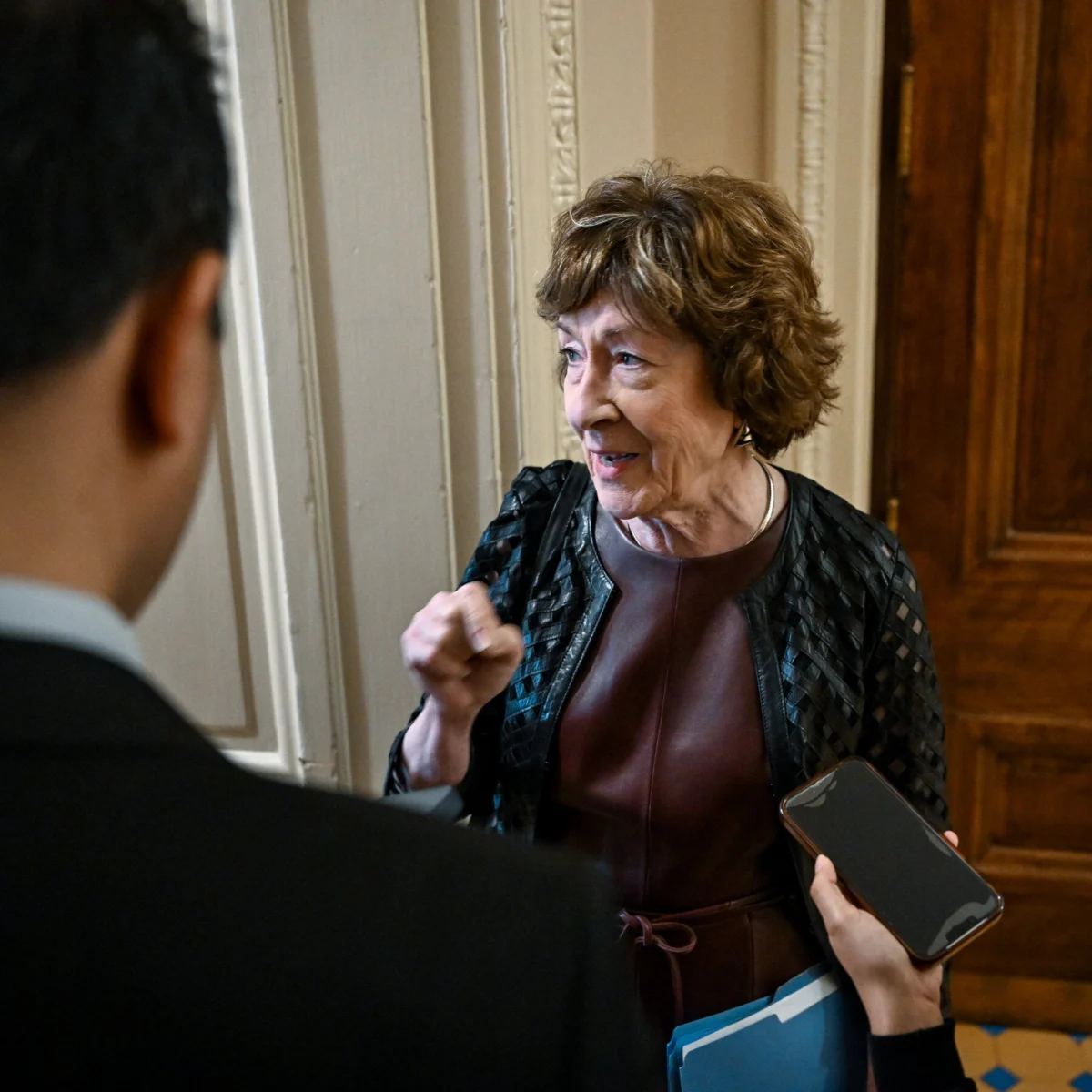
Ahead of a tightly contested political landscape, adjustments to tariffs on certain Canadian goods were announced, signaling a shift in trade policy. The change was communicated by Senator Susan Collins, a Republican from Maine, whose 2026 re-election campaign is expected to be competitive. This development underscores the intersection of international trade decisions and domestic electoral pressures.
Tariff modifications of this nature typically affect import costs, which can influence retail pricing and broader consumer sentiment. With inflation and cost-of-living concerns rising across several regions, policy changes targeting specific categories of imported goods may serve both strategic economic goals and electoral messaging. While the scope of the revised tariffs remains narrowly defined, the timing aligns with heightened scrutiny over how trade barriers impact local industries and household budgets.
KEY FACTS
- Tariff changes were applied to some Canadian goods, as announced by Senator Susan Collins.
- Senator Susan Collins, a Maine Republican, faces a competitive re-election bid.
- The tariff swap was reported amid rising concerns over inflation and consumer prices.
- The policy adjustment was covered by NYT > Business.
What happens next?
Trade policy adjustments often prompt responses from affected nations, and Canada may evaluate its own reciprocal measures in light of these changes. Economic analysts frequently monitor how shifts in import regulations ripple through supply chains, particularly in sectors sensitive to pricing fluctuations. Given the political context surrounding the announcement, further commentary from trade representatives or legislative colleagues could emerge in the coming weeks.
Who is affected?
Consumers and businesses engaged in cross-border commerce between the United States and Canada are likely to feel the immediate effects of these tariff adjustments. In Maine specifically, industries reliant on Canadian imports or exports may observe shifts in cost structures or market access. Lawmakers in other states might also assess whether similar policy tools could play a role in addressing regional economic priorities.
How did we get here?
Senator Collins has historically positioned herself as a moderate voice within her party, often balancing conservative fiscal stances with pragmatic approaches to legislation. Her decision to advocate for a tariff swap reflects broader tensions within the party regarding trade policy and its alignment with voter concerns. Rising inflation has placed pressure on lawmakers to demonstrate tangible actions that address economic anxiety, making trade policy a focal point for political positioning.
WHAT WE KNOW — AND WHAT WE DON‗T
Verified by the source:
- The tariff swap on some Canadian goods was announced by Senator Susan Collins.
- She is a Republican from Maine facing re-election.
- Rising prices were cited as part of the context for the move.
- The story was published by NYT > Business.
Still unconfirmed:
- Specific tariff rates or product categories involved in the swap.
- Official statements from the Canadian government or U.S. trade agencies.
- Exact timeline for implementation or legislative approval.
WHY IT MATTERS
Trade policy decisions carry weight beyond their immediate economic impact; they influence diplomatic relationships, consumer costs, and industrial competitiveness. When such decisions coincide with election cycles, they highlight the complex dynamics between governance and political strategy. For voters and stakeholders, understanding these nuances helps inform expectations about future policy direction.
WHAT TO WATCH
Officials have yet to provide detailed breakdowns of the revised tariff structure, and the White House has not issued formal commentary. Trade representatives may offer clarification in upcoming briefings, while political observers will likely track how this policy plays into broader electoral narratives.
Canadian goods tariffs remain a focal point in discussions about cross-border economic relations and domestic political calculations.