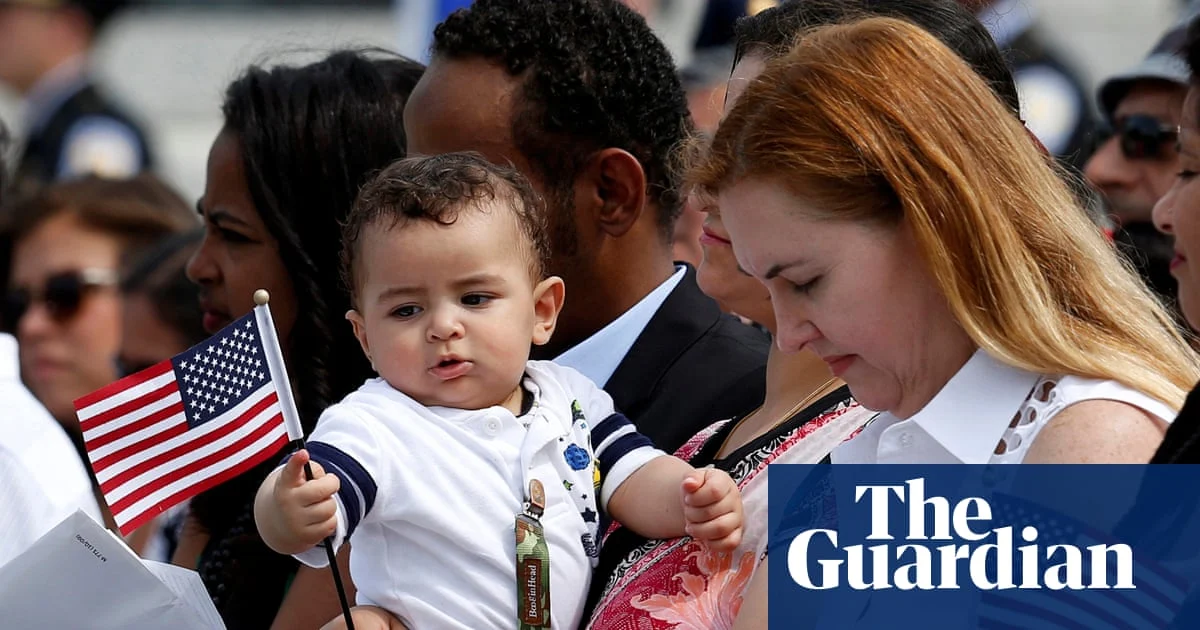
President Donald Trump signed two executive orders on Thursday to restrict eligibility for birthright citizenship and ban “birth tourism,” a month after the Supreme Court rejected his earlier attempt to curtail the constitutional guarantee. The orders come as part of an ongoing effort to reshape immigration policy.
Trump called the Supreme Court’s prior decision “very unfortunate” and indicated the new orders were adjustments to address what he termed unfairness in the current system. The moves are likely to face legal challenges, given the constitutional basis of birthright citizenship under the 14th Amendment.
Key Facts
- President Trump signed two executive orders targeting birthright citizenship and “birth tourism.”
- The orders follow a Supreme Court rejection of an earlier attempt to limit birthright citizenship.
- Trump criticized the Court’s decision as “very unfortunate” but acknowledged it was narrowly decided.
- The administration claims the changes address unfairness in immigration policy.
Why This Move Now?
The administration’s push to restrict birthright citizenship dates back to Trump’s 2018 remarks questioning whether the 14th Amendment’s citizenship clause should apply to children of undocumented immigrants. Legal scholars have largely rejected this interpretation, noting the amendment’s clear language: “All persons born or naturalized in the United States…are citizens.” The latest executive actions appear designed to test those boundaries through narrower restrictions rather than a full repeal.
Legal Challenges Ahead
Constitutional experts predict immediate lawsuits over the orders, particularly regarding their interpretation of “subject to the jurisdiction” – a key phrase in the 14th Amendment that historically referred to excluding foreign diplomats’ children, not immigrants. Previous court rulings have upheld birthright citizenship for children of undocumented parents. The administration will likely argue these orders focus on closing perceived “loopholes” rather than overturning settled law.
What We Know — and What We Don’t
Verified by the source:
- Two executive orders were signed targeting birthright citizenship
- Orders follow a Supreme Court rejection of previous attempts
- Trump criticized the Court’s decision as “very unfortunate”
Still unconfirmed:
- Specific implementation details of the new orders
- Whether the changes will survive court challenges
- How many people might be affected by the restrictions
Why It Matters
Birthright citizenship has been a cornerstone of American identity since the 14th Amendment’s 1868 ratification, guaranteeing citizenship to all born on U.S. soil regardless of parents’ status. Changes could redefine who qualifies as American and reshape immigration patterns. The legal battle will test constitutional interpretation amid shifting political winds on immigration.
What To Watch
Legal challenges to the orders are expected imminently, with rulings that could either limit the administration’s authority or open new avenues for citizenship restrictions. Congressional response and potential legislative actions may also shape the policy’s future.