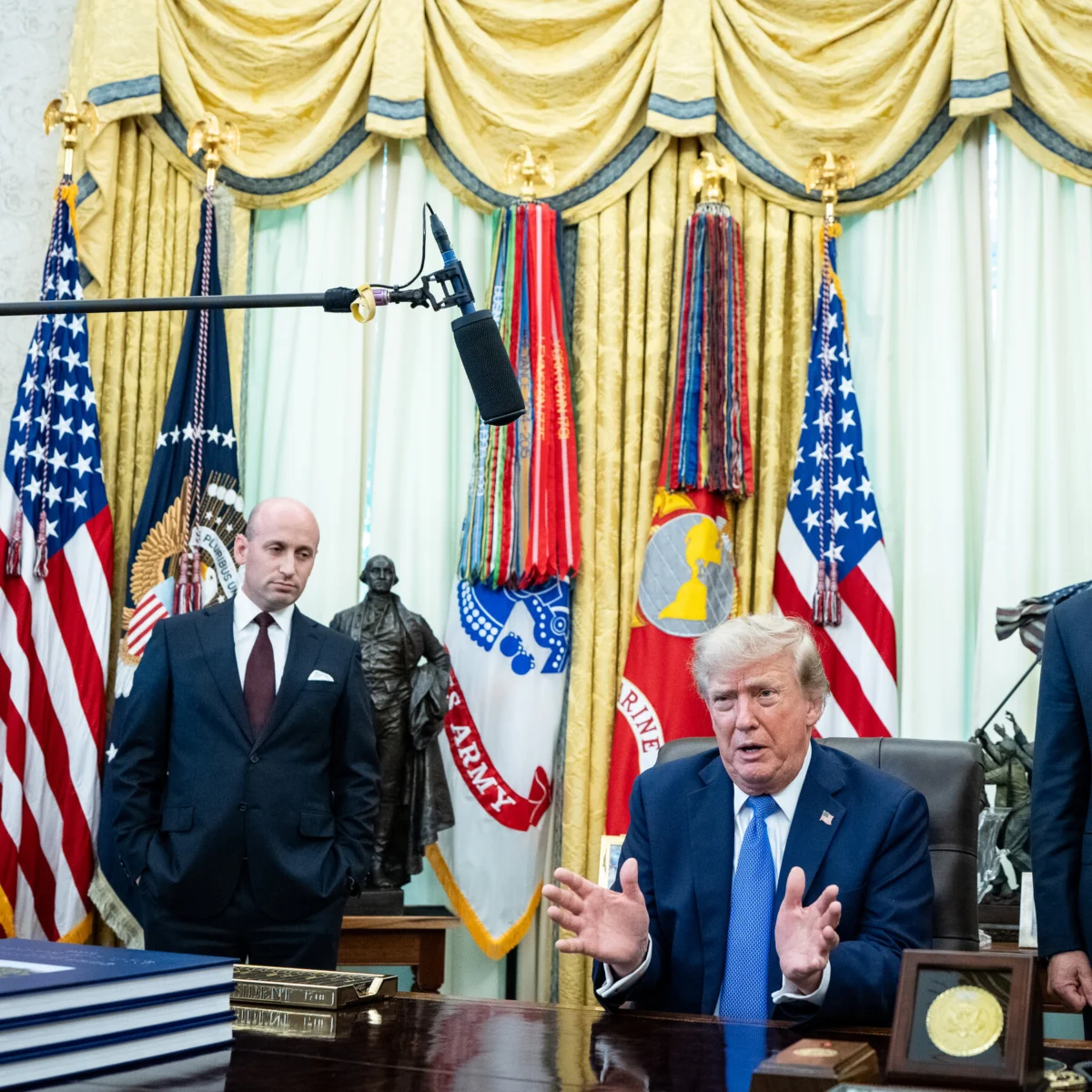
President Trump has signed executive orders targeting birthright citizenship and ‘birth tourism,’ following a Supreme Court decision that deemed his previous efforts to end birthright citizenship unconstitutional. According to NYT > Top Stories, the orders were issued after the June 30 Supreme Court ruling. This move reignites debates over immigration and citizenship rights in the United States.
Key Facts
- President Trump signed executive orders targeting birthright citizenship and ‘birth tourism.’
- The orders follow a Supreme Court ruling on June 30.
- The Supreme Court ruled Trump’s previous efforts to end birthright citizenship unconstitutional.
What Does This Mean?
Birthright citizenship, a principle enshrined in the 14th Amendment, grants citizenship to anyone born on U.S. soil. ‘Birth tourism’ refers to the practice of traveling to the U.S. specifically to give birth, securing citizenship for the child. The Supreme Court’s June 30 decision reaffirmed the constitutional protection of birthright citizenship, but Trump’s latest executive orders indicate his administration’s continued efforts to challenge this principle.
How Did We Get Here?
The debate over birthright citizenship has been a contentious issue in U.S. politics, particularly under the Trump administration. Previous attempts to end birthright citizenship were met with legal challenges, culminating in the June 30 Supreme Court ruling. These new executive orders suggest an ongoing effort to reshape immigration and citizenship policies, despite judicial setbacks.
What We Know — and What We Don’t
Verified by the source:
- Trump signed executive orders targeting birthright citizenship and ‘birth tourism.’
- The Supreme Court ruled on June 30 that Trump’s previous efforts were unconstitutional.
Still unconfirmed:
- The specific details and provisions within the new executive orders.
- How these orders will be implemented or enforced.
Why It Matters
These executive orders have significant implications for immigration policy and the rights of individuals born in the U.S. They also highlight the ongoing tension between the executive branch and judicial interpretations of constitutional principles.
What to Watch
The implementation of these orders and any potential legal challenges will determine their impact. Further developments in this debate are likely to shape U.S. immigration policy for years to come.