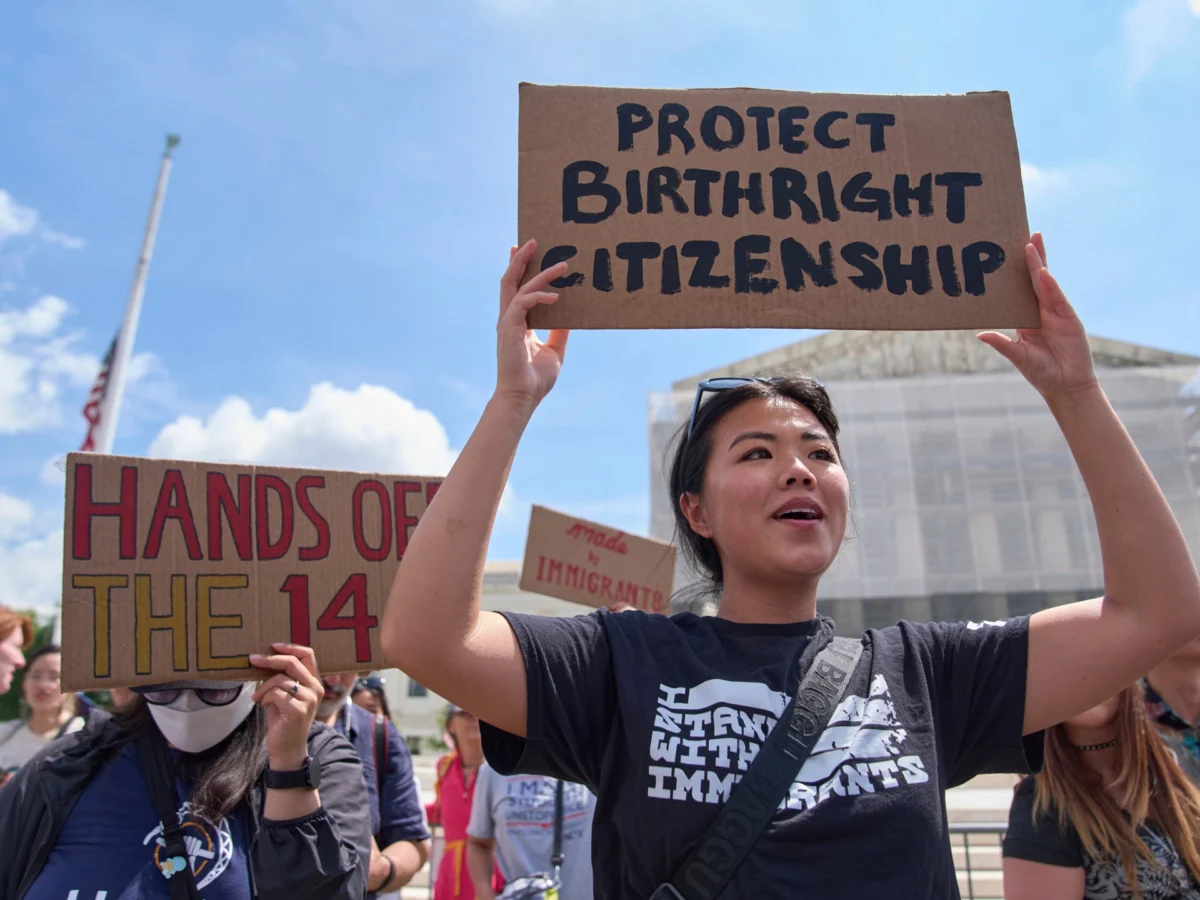
President Trump has signed new executive orders seeking to limit birthright citizenship in the United States. This action comes after the Supreme Court ruled against his previous efforts to reinterpret the constitutional right to citizenship for individuals born on U.S. soil.
The move marks another step in the administration’s ongoing attempts to reshape immigration policy, though its immediate impact remains uncertain. The executive orders aim to challenge longstanding interpretations of the 14th Amendment, which guarantees citizenship to those born in the U.S., regardless of their parents’ immigration status.
KEY FACTS
- President Trump has signed new executive orders targeting birthright citizenship.
- The action follows a Supreme Court ruling against his earlier efforts to reinterpret the constitutional right.
- The orders seek to limit the application of the 14th Amendment’s citizenship clause.
What Does This Mean for Citizenship?
The 14th Amendment, ratified in 1868, guarantees citizenship to anyone born on U.S. soil. This principle has been a cornerstone of American immigration policy for over a century. Trump’s executive orders aim to challenge this interpretation, potentially preventing children of undocumented immigrants from automatically becoming U.S. citizens.
However, legal experts note that altering birthright citizenship would require a constitutional amendment or a significant reinterpretation by the courts. The Supreme Court’s recent ruling suggests resistance to such changes, but the administration’s latest move indicates a continued push to redefine eligibility.
What Happens Next?
The executive orders are likely to face immediate legal challenges. Advocacy groups and lawmakers who oppose the administration’s immigration policies are expected to contest the orders in court. The outcome of these challenges could determine whether the orders take effect or are blocked.
Additionally, the broader debate over birthright citizenship is expected to reignite in Congress and public discourse. The issue has long been a divisive topic, with proponents arguing it ensures equality and detractors claiming it incentivizes unauthorized immigration.
WHAT WE KNOW — AND WHAT WE DON’T
Verified by the source:
- President Trump has signed executive orders seeking to limit birthright citizenship.
- The Supreme Court previously ruled against his efforts to reinterpret the constitutional right.
Still unconfirmed:
- The specific details and scope of the executive orders.
- How the orders will be enforced or implemented, if at all.
WHY IT MATTERS
Birthright citizenship is a foundational element of U.S. immigration law, affecting millions of families and individuals. Changes to this policy could have far-reaching consequences for citizenship rights, immigration patterns, and the legal system. The debate also reflects broader tensions over immigration reform and constitutional interpretation.
WHAT TO WATCH
Legal challenges to the executive orders and further developments in Congress will shape the policy’s future. The Supreme Court may also be called upon to weigh in again as the debate progresses. For the latest updates on U.S. immigration policy, follow our politics coverage.