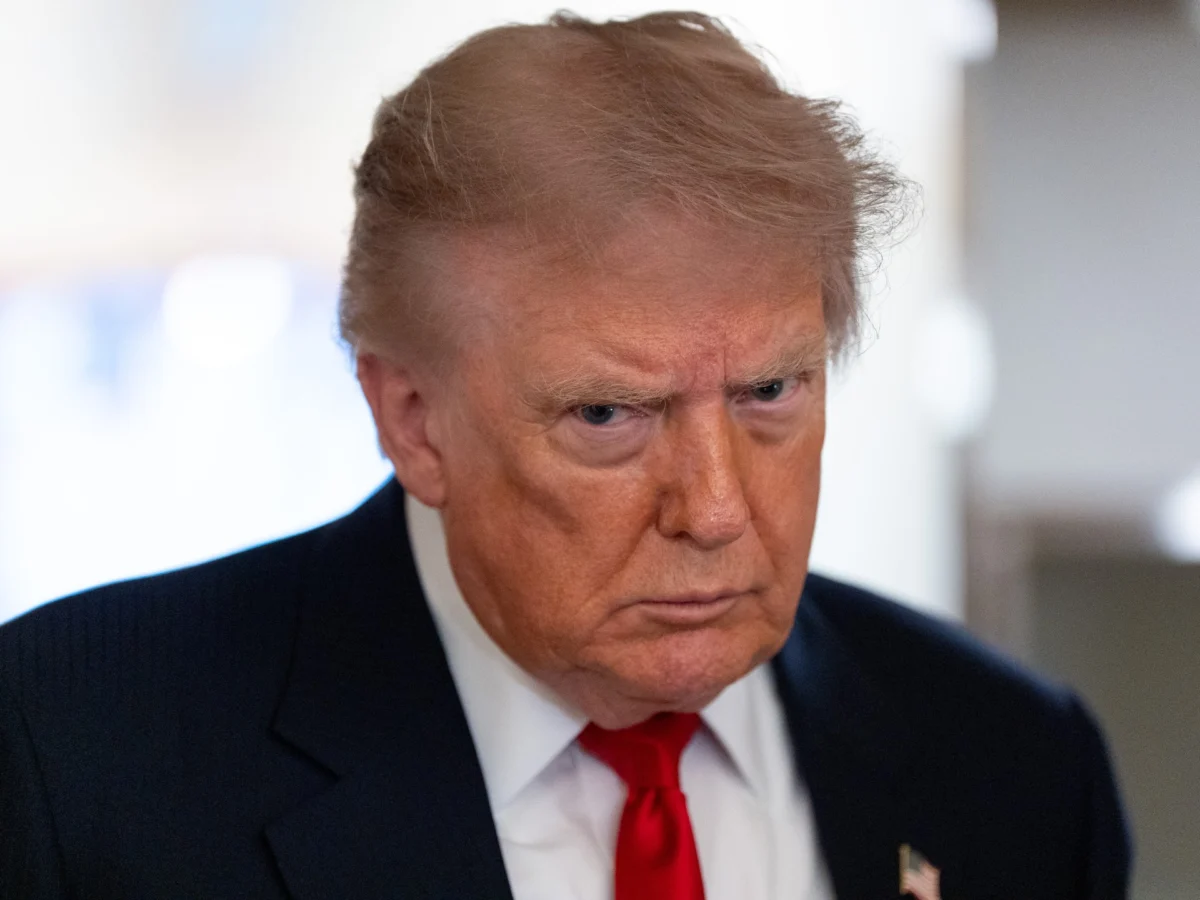
US President Donald Trump has decided to scale down military war games with South Korea, citing Seoul’s reluctance to support his policies toward Iran and his improving relationship with North Korean leader Kim Jong Un. The move marks a shift in US-South Korea military cooperation amid ongoing diplomatic efforts with Pyongyang.
The decision reflects Trump’s prioritization of personal diplomacy over traditional alliance commitments, raising questions about the future of regional security dynamics in East Asia. Analysts suggest this could signal a broader recalibration of US military presence on the Korean Peninsula.
KEY FACTS
- US President Donald Trump is reducing war games with South Korea
- The decision relates to South Korea’s stance on US Iran policy
- Trump’s improving relationship with North Korea’s leader is another factor
- The changes affect US-South Korea military cooperation
Why is this happening now?
The timing coincides with ongoing negotiations between the US and North Korea regarding denuclearization. Trump has repeatedly emphasized his personal rapport with Kim Jong Un as a key factor in diplomatic progress. The reduction in military exercises appears to be a confidence-building measure toward Pyongyang, though it risks creating tension with Seoul.
What are the regional implications?
Military exercises between the US and South Korea have been a cornerstone of their alliance since the Korean War. Scaling them back could affect deterrence capabilities while potentially easing tensions with North Korea. The move comes as China and Russia have also called for reduced military activities in the region.
WHAT WE KNOW — AND WHAT WE DON’T
Verified by the source:
- Trump has decided to reduce military exercises with South Korea
- The decision relates to South Korea’s position on Iran policy
- Trump’s relationship with North Korea’s leader influenced the move
Still unconfirmed:
- The exact scale of reductions in military exercises
- How South Korea’s government specifically responded
- Whether North Korea has offered concessions in return
WHY IT MATTERS
Changes to US-South Korea military cooperation could significantly impact regional security in East Asia. The move reflects the Trump administration’s unconventional approach to alliances and its willingness to adjust longstanding defense postures for diplomatic gains. The decision may test the resilience of the US-South Korea alliance while potentially creating new opportunities for engagement with North Korea.
WHAT TO WATCH
Observers will monitor North Korea’s response to the scaled-back exercises and whether this leads to progress in denuclearization talks. The long-term impact on US-South Korea relations remains uncertain. For more on geopolitical developments in the region, follow our coverage.