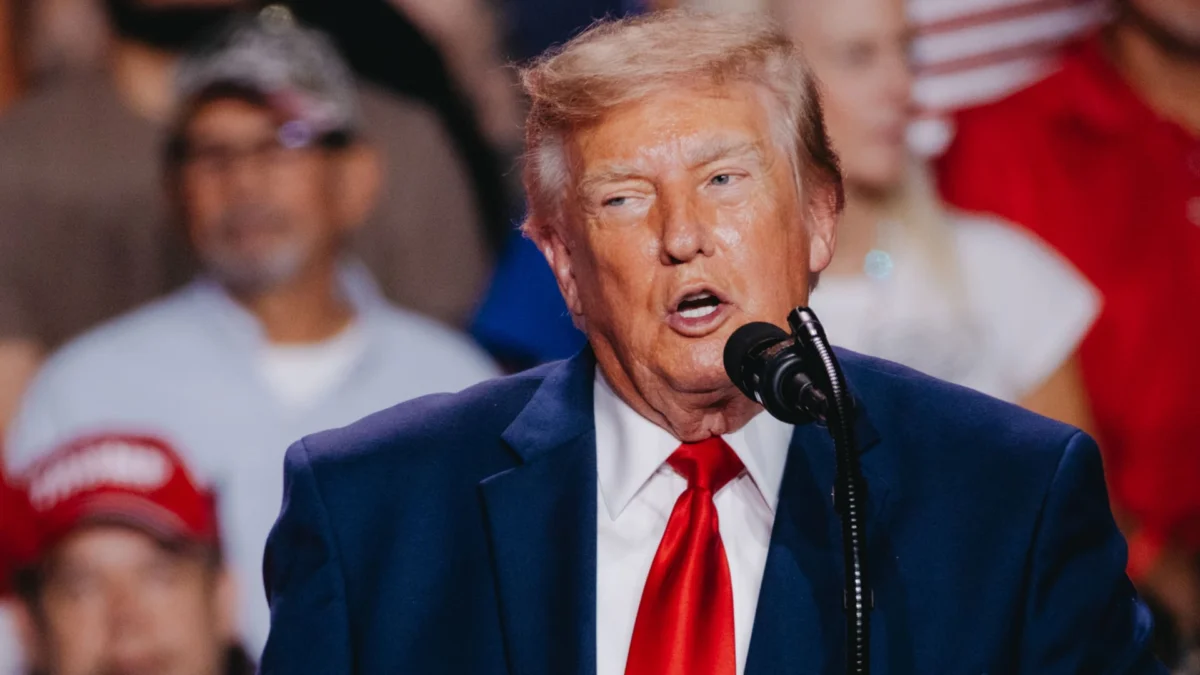
President Trump stated the U.S. will not attack Iran before the upcoming midterm elections, signaling a cautious approach to the escalating Iran conflict.
According to US Top News and Analysis, Trump described recent talks with Tehran as ‘productive,’ even as the war pushes oil and gas prices higher and public support for the conflict continues to fall.
KEY FACTS
- Trump says the U.S. will not attack Iran before the midterm election.
- Talks between the U.S. and Iran are described as ‘productive.’
- The Iran conflict is driving oil and gas prices higher.
- Support for the conflict is reportedly declining.
The Iran Conflict and Energy Prices
The ongoing tensions between the U.S. and Iran have contributed to sharp increases in crude oil and natural gas prices, affecting consumers and industries nationwide. Analysts note that supply disruptions and geopolitical uncertainty often lead to short-term price spikes, which can influence inflation and household budgets.
Rising energy costs may also impact voter sentiment ahead of the midterms, giving opponents of the administration more ammunition to criticize its foreign policy stance. At the same time, the administration has emphasized diplomatic engagement as a preferable alternative to military action, citing economic stability and national security interests.
What Happens Next?
With midterm elections approaching, policymakers face mounting pressure to balance deterrence with de-escalation. A delay in any potential strike buys time for negotiations but keeps markets volatile. Observers are watching whether Trump’s pledge holds through November or if a new development forces a shift in strategy.
WHAT WE KNOW / WHAT WE DON’T
Verified by the source:
- Trump made remarks about not attacking Iran before the midterms.
- He called recent talks with Iran ‘productive.’
- Oil and gas prices have risen due to the conflict.
- Public support for the conflict is falling.
Still unconfirmed:
- Whether Trump will extend the no-strike commitment past the election.
- Specific details about ongoing negotiations with Iran.
- The exact scope or timeline of future diplomatic efforts.
Why It Matters
The Iran conflict affects not only international relations but also domestic economic conditions, particularly fuel prices and employment in energy sectors. Voters increasingly link foreign policy outcomes to their wallet, making diplomacy—or threats thereof—a factor in electoral politics.
What To Watch
Officials have yet to comment on concrete timelines for negotiations. The White House may issue further statements after the election cycle concludes.