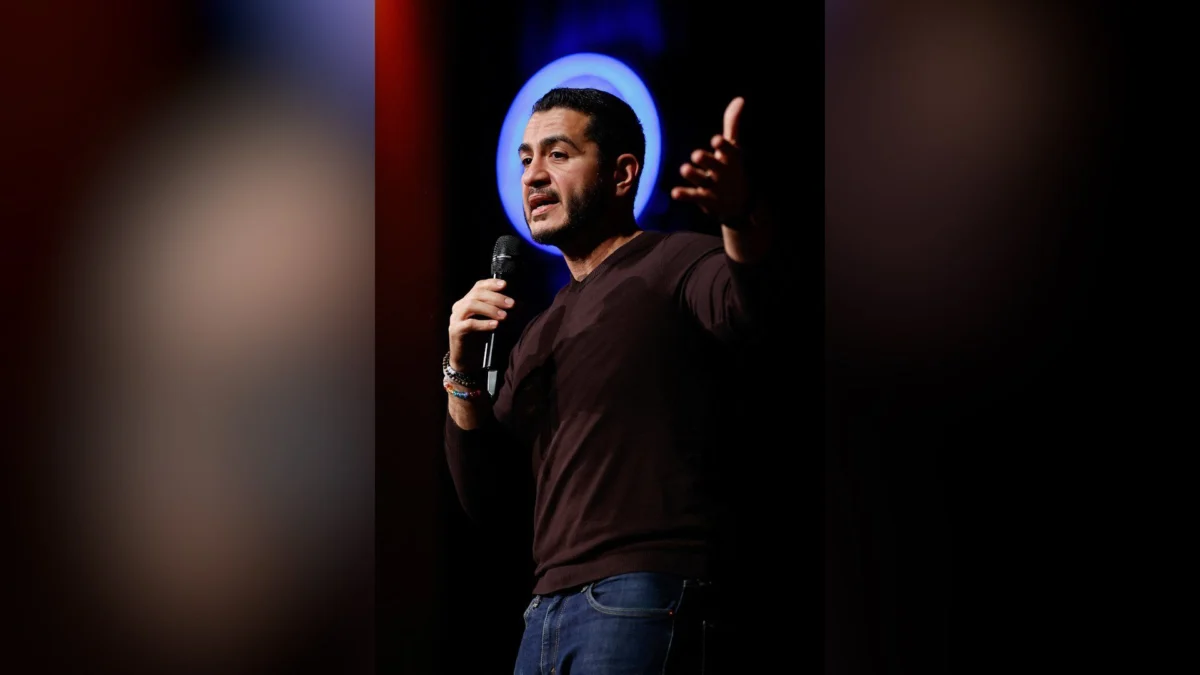
President Donald Trump has accused Michigan Senate candidate Abdul El-Sayed of being a member of the Muslim Brotherhood, a claim that escalated rhetoric around the tight U.S. Senate race. The allegation was reported by Al Jazeera and drew renewed attention to El-Sayed’s campaign platform and faith background. El-Sayed, a former Detroit health commissioner, is one of several Democrats vying for the party’s nomination. His campaign did not immediately respond to the accusation in the reporting.
The Muslim Brotherhood is a transnational Islamist organization founded in Egypt in 1928. In the United States, the group has no formal political representation and is not designated as a terrorist organization by the federal government, though past administrations have scrutinized its domestic activities. By linking El-Sayed to the Brotherhood, Trump shifted focus onto questions of religious identity and national security in a state with a large Arab-American population.
Key Facts
- Trump says Abdul El-Sayed is a member of the Muslim Brotherhood.
- The claim was reported by Al Jazeera.
- El-Sayed is running for U.S. Senate in Michigan.
- No immediate response was provided by El-Sayed’s campaign.
What happens next?
How El-Sayed responds — whether through legal threat, campaign rebuttal, or public statement — could influence voter perception in a historically competitive district. Meanwhile, fact-checkers may investigate whether publicly available records support the assertion about organizational membership. The Democratic primary is scheduled for later this year, and national figures including Trump have increasingly weighed in on individual contenders.
Prior to entering politics, El-Sayed served as Detroit’s youngest-ever health commissioner and gained visibility advocating public health initiatives. He has previously addressed criticism related to his faith and rejected comparisons to extremist groups. Trump’s comments add another layer to an evolving narrative ahead of a decisive primary contest that could determine control of the U.S. Senate.
Background context
The Muslim Brotherhood originated in Egypt and advocates for an Islamic state governed by Sharia law. Although banned in several Arab nations, branches operate in various countries, often under surveillance. In the U.S., scholars note that connections between mainstream Muslim Americans and the Brotherhood are rarely documented or proven. Claims like Trump’s are not new; similar accusations surfaced during earlier electoral cycles involving Muslim candidates.
Rhetoric tied to religious affiliation has previously shaped campaigns in Michigan, which hosts one of the largest Arab-American communities outside the Middle East. Voters in the state will ultimately decide whether such allegations affect ballot choices. The broader conversation reflects ongoing tensions between immigration, national security, and inclusion in American democracy.
What We Know — and What We Don’t
Verified by the source:
- President Trump called El-Sayed a Muslim Brotherhood member.
- Al Jazeera reported the statement.
- El-Sayed is a Democratic candidate for U.S. Senate in Michigan.
Still unconfirmed:
- Whether any evidence supports membership allegations.
- If El-Sayed or Trump’s team issued follow-up statements.
- Exact timing or format of the original remark.
Why It Matters
This story matters because it illustrates how high-profile leaders use broad accusations to frame campaign narratives. When national figures make unverified claims about candidates’ affiliations, it can impact voter trust, media coverage, and electoral fairness. For communities concerned with representation and civil rights, these moments highlight persistent challenges around Islamophobia and political accountability in modern U.S. elections.
What To Watch
Watch for responses from El-Sayed’s campaign and potential fact-checking efforts. A detailed public record or lack thereof may clarify whether further scrutiny emerges before the primary vote concludes.