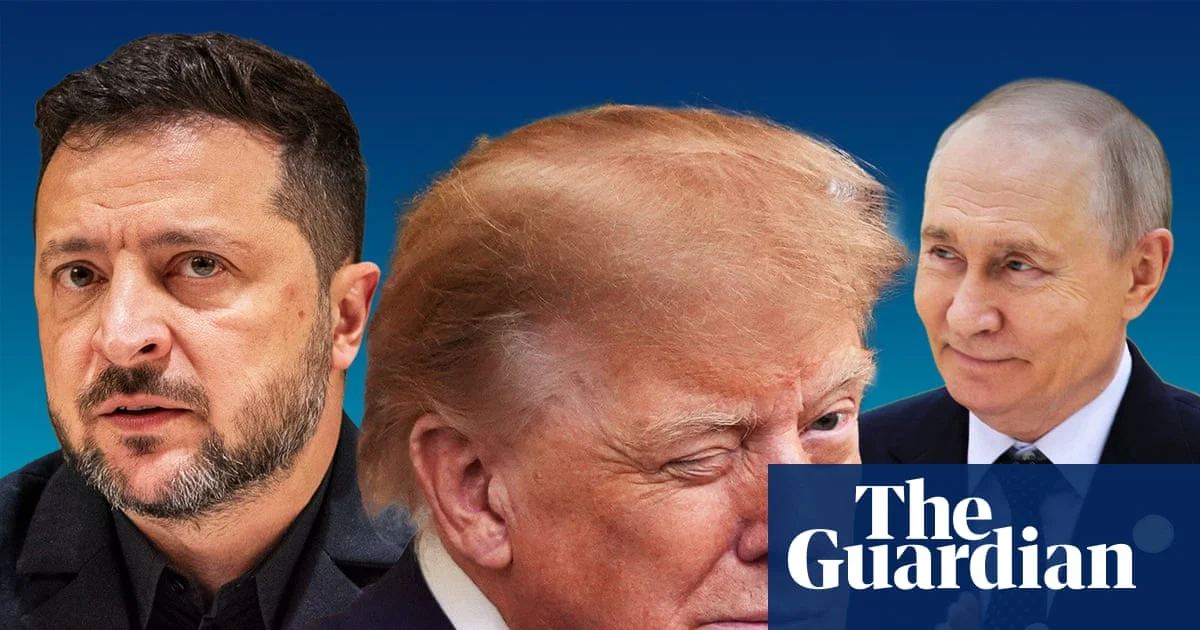
A Russia diesel deal arranged by Donald Trump has drawn strong condemnation from Ukrainian President Volodymyr Zelenskyy, who described the arrangement as a weak decision that would generate billions in extra revenue for Putin’s war effort.
The dispute centers on energy policy tensions amid ongoing fighting, with Kyiv rejecting U.S. calls for an energy ceasefire that would require halting strikes on oil refineries until Moscow ends its attacks on energy infrastructure.
KEY FACTS
- The Russia diesel deal was arranged by Donald Trump according to The Guardian.
- Volodymyr Zelenskyy called it ‘a weak decision’ generating ‘billions’ for Putin’s war effort.
- Kyiv rejected U.S. calls for an ‘energy ceasefire’ tied to stopping oil refinery strikes.
- Zelenskyy said Moscow must first end attacks on energy infrastructure.
- The Guardian report was published on October 12, 2026.
The Russia diesel deal backstory
The Russia diesel deal appears tied to broader energy negotiations involving U.S. policy toward the conflict. According to The Guardian, the arrangement has intensified diplomatic friction between Washington-aligned partners and Kyiv. Zelenskyy’s response suggests the deal may undermine Western leverage in pressing Moscow to de-escalate.
Ukraine has repeatedly signaled that any pause in its own military actions must be paired with reciprocal steps from Russia. This stance reflects a long-standing demand for symmetry in ceasefire negotiations, particularly around energy targets that Kyiv views as legitimate strategic assets.
What happens next?
The Russia diesel deal leaves unresolved questions about future coordination between the U.S. and Ukraine on energy sanctions. With no clear timeline for resolution, analysts will watch whether Kyiv alters its refinery strike campaign or whether additional diplomatic pressure emerges from either side. The Guardian noted ongoing commentary from its senior international correspondent, Luke Harding, who has covered diplomatic reactions to the dispute.
Who is affected?
Beyond the immediate policymakers, the Russia diesel deal affects energy markets and civilian consumers across Europe and the United States. Higher revenues flowing to Moscow could prolong financing for military operations, while disruptions to oil infrastructure risk spiking fuel prices regionally. General readers concerned with economic stability or humanitarian costs have reason to monitor how the conflict reshapes global supply chains.
WHAT WE KNOW — AND WHAT WE DON’T
Verified by the source:
- A Russia diesel deal was arranged by Donald Trump.
- Volodymyr Zelenskyy criticized the deal as weak and financially beneficial to Putin.
- Kyiv rejected an energy ceasefire proposal linked to halting oil refinery strikes.
- Zelenskyy demanded Moscow stop attacks on energy infrastructure first.
- The Guardian reported the story on October 12, 2026.
Still unconfirmed:
- No official confirmation from the White House or Pentagon.
- Exact financial terms or volume of diesel traded remain unspecified.
- No independent corroboration from other major news outlets yet.
- Timeline for implementation or legal approval process unknown.
WHY IT MATTERS
Energy agreements tied to active conflicts can shift battlefield dynamics by altering funding streams and alliance cohesion, making public understanding of such deals essential for democratic accountability.
WHAT TO WATCH
Future statements from U.S. and Ukrainian officials may clarify whether the Russia diesel deal proceeds or faces formal pushback. Updates are expected via war-geopolitics and economy-markets coverage as negotiations continue.