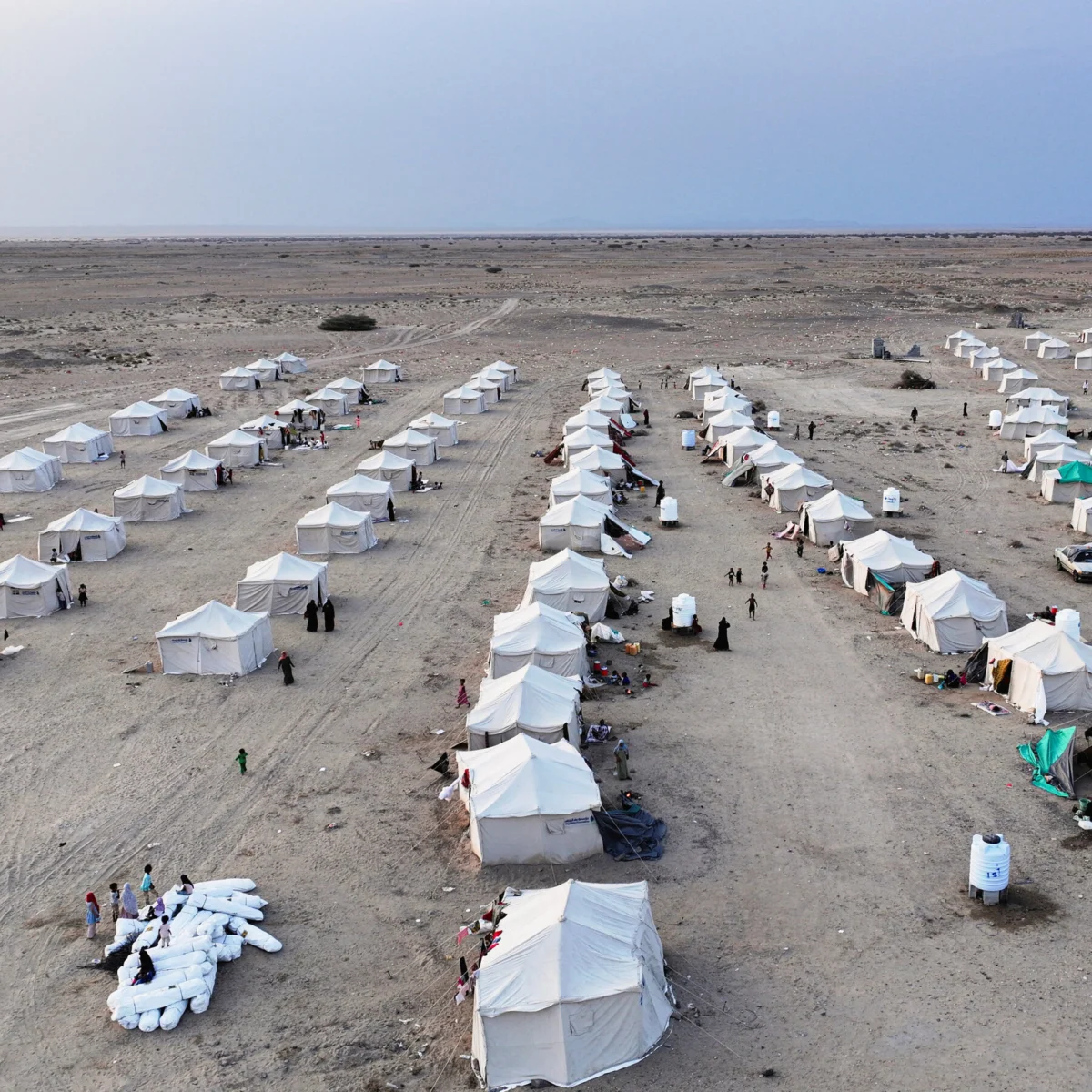
President Trump met with Middle East leaders as regional wars, including the Iran conflict and the Houthis-Saudi Arabia fighting in Yemen, widen and force Gulf Arab states to reassess U.S. security guarantees.
The meetings come as Gulf Arab states face spiraling conflicts that challenge long-standing security arrangements with the United States. Trump’s engagement reflects ongoing diplomatic efforts amid volatile conditions in the Persian Gulf.
**Key Facts**
- Trump met with Middle East leaders during rising regional tensions.
- The Iran war and Yemen conflict are influencing Gulf security calculations.
- Gulf Arab states are reassessing U.S. security guarantees.
**What Happens Next?**
The trajectory of ongoing conflicts will likely shape future diplomatic moves by both regional actors and the United States. How Gulf states balance their security needs with evolving alliances remains unclear. The interplay between military developments and diplomatic outreach will determine the stability of the region.
**How Did We Get Here?**
Decades of geopolitical tension in the Middle East have been complicated by recent flare-ups in Iran and Yemen. These conflicts have drawn in multiple actors, creating a web of alliances and rivalries. As fighting intensifies, traditional security partnerships are being questioned, prompting new rounds of high-level dialogue like Trump’s recent meetings.
**What We Know — and What We Don’t**
Verified by the source:
- Trump met with Middle East leaders.
- The Iran war and Yemen conflict are ongoing.
- Gulf Arab states are reconsidering U.S. security assurances.
Still unconfirmed:
- Specific outcomes or agreements from the meetings.
- Exact timing or location of the meetings.
- Detailed positions held by individual leaders.
This realignment affects broader global energy markets and international security cooperation. Shifts in U.S. commitments could reshape alliances across West Asia and North Africa.
**What To Watch**
Further statements or policy shifts from Washington regarding Gulf security policy may signal how seriously these concerns are being addressed.