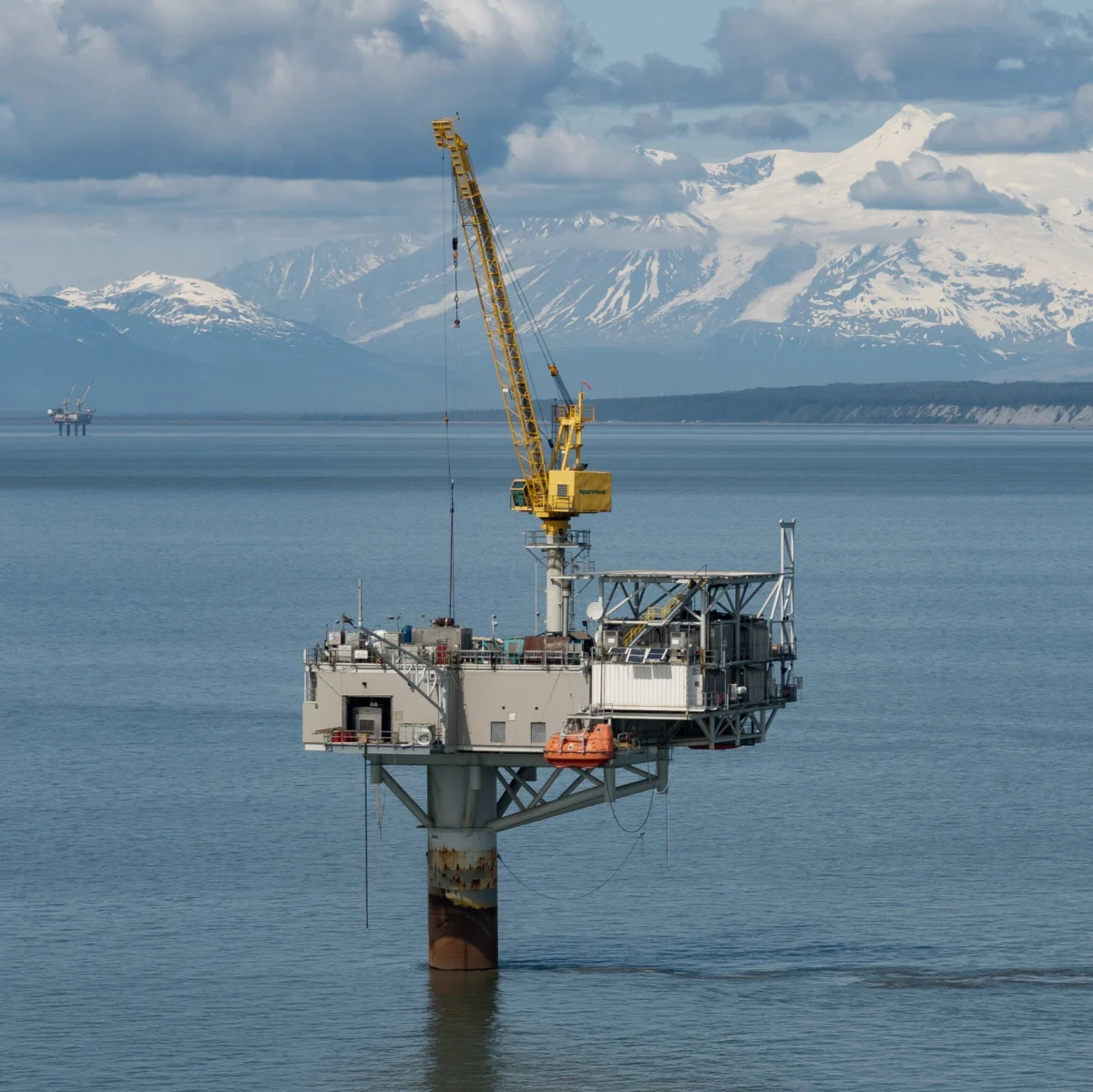
Lede
Former President Donald Trump has revived interest in a long-delayed Alaska gas project as part of a proposed investment package involving South Korea, according to reporting from NYT > Business in the economy-markets category.
The project, which has not yet received formal approval from its developer, would aim to transport Alaskan liquefied natural gas (LNG) to energy-hungry Asian markets. Construction is expected to span several years, making timing a central issue in current discussions around international energy partnerships.
This move places the Alaska gas project back into high-stakes diplomatic and commercial conversations, particularly amid ongoing negotiations with regional allies like South Korea.
Key Facts
- Trump dangled the Alaska gas project as part of a proposed Korean investment package.
- The project has not yet been formally greenlit by the developer.
- It aims to deliver Alaska gas to Asian markets via LNG infrastructure.
- Construction is expected to take several years once launched.
The Story
What is the Alaska gas project?
The Alaska gas project refers to plans to extract and process natural gas from reserves in Alaska for export as liquefied natural gas, or LNG. This involves chilling the gas to extremely low temperatures so it can be shipped in liquid form across oceans. Despite decades of planning, no major phase of such an LNG terminal has moved beyond preliminary stages due to financing, environmental concerns, and logistical challenges unique to the Arctic environment.
Pipeline routes, permitting processes, and cost estimates have shifted repeatedly over time. The most notable attempt was the proposed Alaska LNG (AkLNG) initiative backed by oil giants including ExxonMobil and TransCanada, which stalled despite federal support at various points.
Any revival of the Alaska gas project would require renewed regulatory approvals and significant private-sector buy-in, especially given volatile global energy prices and evolving climate policies affecting fossil fuel exports.
Who is affected and how did we get here?
South Korea, Japan, and China are among the top importers of LNG globally, driven by growing demand for cleaner-burning fuels compared to coal. For Alaska, developing its vast untapped gas fields could offer economic benefits through jobs and royalties, though environmentalists warn of risks to pristine ecosystems and contributions to carbon emissions.
Trump first highlighted the idea during his presidency, promoting U.S. energy dominance abroad. His administration fast-tracked some approvals related to domestic energy projects but did not finalize an Alaska LNG scheme before leaving office.
Now, with new geopolitical dynamics and shifting trade relationships under consideration, the Alaska gas project resurfaces as both a strategic asset and a contentious symbol of America’s energy future.
What happens next?
With no formal go-ahead from the developer, the path forward remains uncertain. Any serious push toward construction would likely involve negotiations between state authorities, federal agencies, and foreign investors seeking reliable long-term supply contracts.
Timing also plays a key role — delays in securing financing or resolving legal obstacles can derail multibillion-dollar ventures like this one, especially amid global transitions toward renewable energy alternatives.
As political leaders weigh energy diplomacy against domestic priorities, decisions about the Alaska gas project may influence broader U.S. policy toward Asia-Pacific trade and security frameworks.
What We Know — and What We Don’t
Verified by the source:
- Former President Trump mentioned the Alaska gas project in connection with possible South Korean investment.
- The developer has not yet approved the project formally.
- The project targets delivery of Alaska gas to Asian markets.
- Timeline estimates suggest multiple years for completion if built.
Still unconfirmed:
- No names or titles of officials involved in talks have been provided.
- No specific timeline or budget figures were disclosed.
- Unclear whether formal agreements or memoranda exist between parties.
- It is unknown what exact form the Korean investment package will take.
Why It Matters
Energy exports remain a cornerstone of U.S. foreign policy and domestic economic strategy. Reviving the Alaska gas project could reshape trans-Pacific energy flows while testing how traditional fossil fuel infrastructure aligns with global sustainability goals. Whether it proceeds depends heavily on investor confidence, regulatory clarity, and shifting international demand patterns.
What To Watch
Next steps will hinge on whether the developer moves toward formal approval and whether international partners commit capital to fund development. Updates on permitting timelines or government-backed incentives should clarify the project’s viability soon.
The Alaska gas project represents a potentially transformative yet uncertain element in evolving U.S.-Asia energy relations. As Trump promotes it alongside new investment ideas, clarity on funding and approvals will determine whether it advances beyond rhetoric.