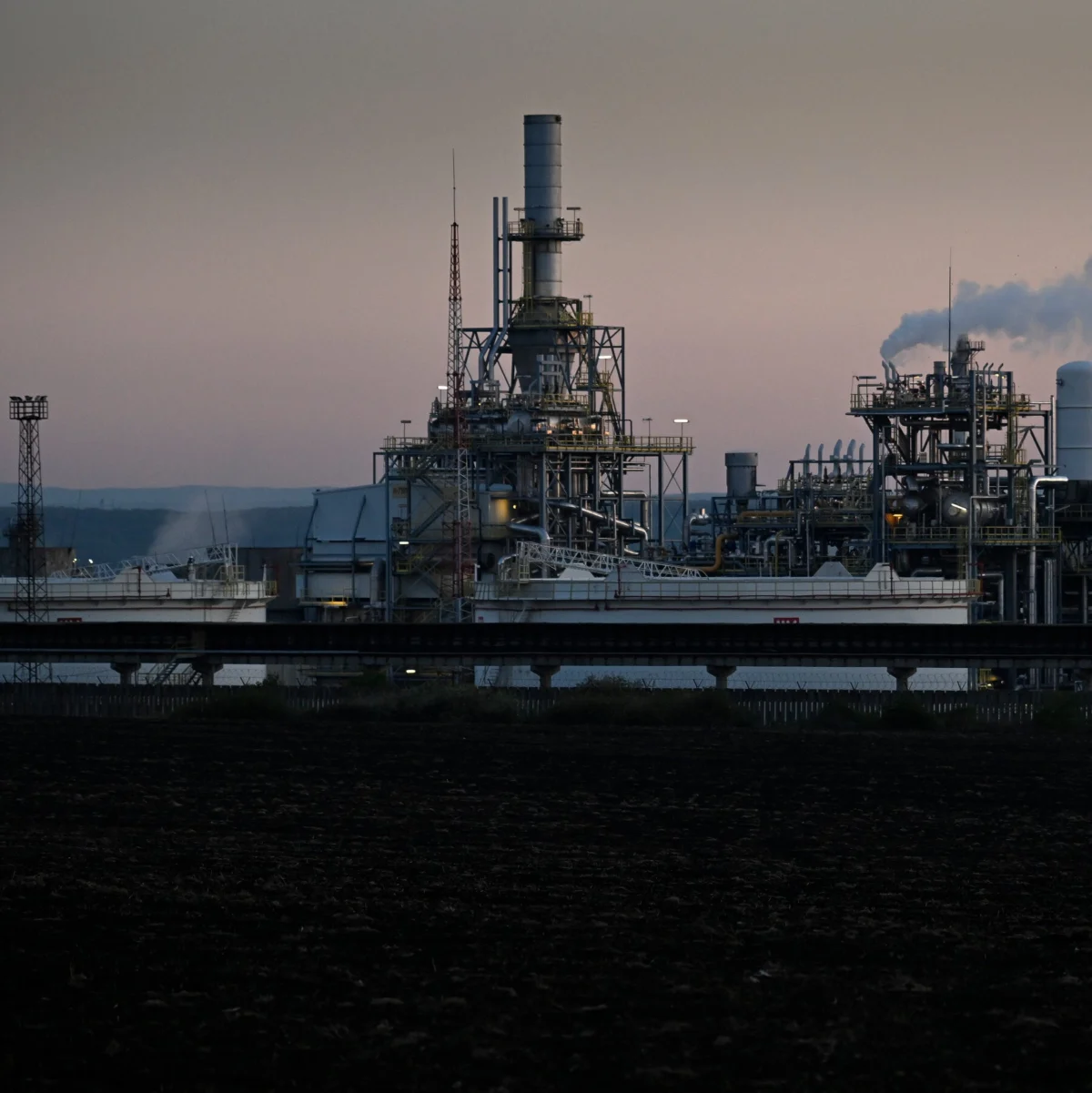
A majority of ownership in a proposed multibillion-dollar Russian oil deal tied to Donald Trump would go to a group of Middle Eastern investors, including some with business ties to U.S. negotiators.
The arrangement raises questions about foreign influence and potential conflicts of interest, given the involvement of investors linked to negotiators involved in related diplomatic efforts. Details about the specific investors, their nationalities, and the exact structure of the deal remain limited in public reporting.
KEY FACTS
- A majority of ownership in a proposed multibillion-dollar deal would go to a group of Middle Eastern investors.
- Some of the Middle Eastern investors have business ties to U.S. negotiators.
- The deal involves Russian oil assets connected to former President Donald Trump.
What happens next for the Russian oil deal?
The proposed transaction has not yet been finalized, and it remains unclear whether regulatory approvals or further negotiations will be required before completion. Analysts note that any deal involving Russian energy assets and foreign investors may face scrutiny from U.S. and international regulators, especially amid ongoing geopolitical tensions. No official timeline or confirmation has been publicly released regarding next steps or potential obstacles.
What happens next largely depends on whether the investors proceed with formal agreements and how U.S. authorities respond. Congressional oversight committees have historically monitored Trump-linked business ventures, particularly those involving foreign capital. Any significant movement in the deal could prompt additional hearings or investigative reviews.
Who is affected by the Middle East investor role?
The proposal potentially affects multiple stakeholders, including U.S. government officials, foreign investors, and energy markets. Critics argue that business relationships between foreign investors and U.S. negotiators could complicate diplomatic negotiations or create the appearance of impropriety. Supporters often emphasize that such investments can bring capital and expertise to underperforming sectors.
In the broader energy landscape, foreign investment in Russian oil has been sensitive due to sanctions regimes and shifting geopolitical dynamics. The involvement of Middle Eastern investors introduces another layer of complexity, as some Gulf nations maintain strategic partnerships with both the United States and Russia. The ultimate impact will depend on how policy makers and market participants respond.
What We Know — and What We Don’t
Verified by the source:
- A majority of ownership in a proposed multibillion-dollar deal would go to a group of Middle Eastern investors.
- Some of the Middle Eastern investors have business ties to U.S. negotiators.
- The deal involves Russian oil assets connected to former President Donald Trump.
Still unconfirmed:
- The identities and nationalities of the specific Middle Eastern investors involved.
- Whether formal agreements have been signed or regulatory approval is pending.
- The total value of the proposed deal and projected returns.
- Which U.S. negotiators have ties to the investors or whether any conflict-of-interest concerns were raised internally.
Why It Matters
Depending on how it unfolds, this deal could reignite long-running debates over foreign influence in U.S. politics and the intersection of personal business interests with public policy. For readers concerned with transparency and accountability, the arrangement highlights enduring questions about how international investments intersect with diplomatic negotiations. It also underscores the ongoing sensitivity surrounding Russian energy assets and foreign capital flows.
What To Watch
Watch for whether the proposed deal moves forward with formal documentation or encounters pushback from regulators or congressional lawmakers. A detailed breakdown of the investor group and their ties to U.S. officials could also reshape public understanding of the arrangement.
This article is based solely on reporting published by NYT > Top Stories and has not been independently verified by SourceRated.