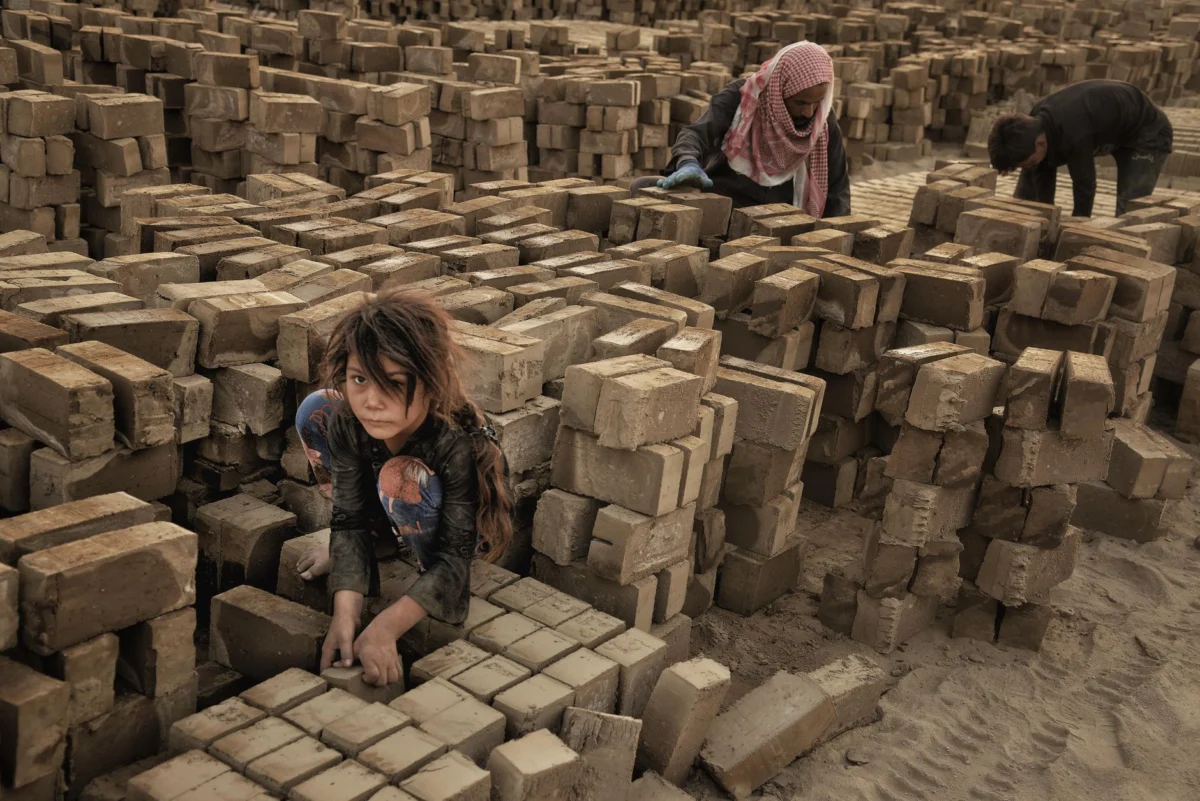
Trump has imposed forced labor duties on 60 trading partners as the 10% US tariffs are set to expire. The move targets imports suspected of being produced with forced labor.
The decision comes as part of broader US efforts to discourage goods made under coercive conditions. By adding forced‑labor duties on top of existing tariffs, the administration aims to raise the cost of such imports.
The 10% baseline tariffs that were due to lapse have been replaced, in effect, by the new duties. The administration has not published a full list of the 60 countries affected, but the action applies to a wide range of trading partners.
Key Facts
- Trump imposes forced labor duties
- on 60 trading partners
- as 10% US tariffs expire
What are forced labor duties?
Forced labor duties are additional tariffs or penalties placed on goods that are believed to have been made using forced or compulsory labor. They are intended to discourage imports that violate international labor standards and to protect workers from abusive practices.
Such measures are usually applied after an investigation determines a risk of forced labor in the supply chain. The duties increase the landed cost of the implicated products, making them less competitive in the US market.
The specific criteria used by the administration have not been detailed in the source, but the concept aligns with existing US laws that bar imports produced with forced labor.
The policy reflects a growing trend among nations to use trade tools to address human‑rights concerns in global supply chains.
Who is affected?
The action covers 60 trading partners, a figure that suggests a broad geographic reach though the source does not name individual countries. The duties likely apply to a variety of goods ranging from raw materials to finished consumer products.
Because the measure is tied to the expiration of a 10% baseline tariff, the new charges effectively replace that levy for the affected partners. This means importers will see a change in the duty structure rather than an entirely new tax burden.
The lack of a published list leaves uncertainty about which sectors will feel the biggest impact, but industries that rely on imports from regions with documented labor‑rights issues may be most exposed.
What happens next?
Observers will watch for further details from the administration regarding which specific products will be subject to the forced‑labor duties. Any official guidance or public notices will clarify the scope of the measure.
Trading partners may respond through diplomatic channels or by adjusting their own trade policies. The situation could prompt discussions at international trade bodies about the use of forced‑labor provisions.
Meanwhile, businesses that import from the affected countries will need to review their supply chains to assess potential cost changes and compliance requirements.
What We Know — and What We Don’t
Verified by the source:
- Trump imposes forced labor duties
- on 60 trading partners
- as 10% US tariffs expire
Still unconfirmed:
- the exact list of the 60 trading partners
- the specific goods or industries targeted
- the timeline for implementation and any possible exemptions
Why It Matters
The move illustrates how trade policy can be used to address labor‑rights concerns, potentially reshaping cost calculations for companies that rely on global supply chains. Consumers may see price shifts for certain imported goods, while producers in the affected countries could face new competitive pressures. For more on trade dynamics, see our economy and markets coverage.
What To Watch
Future announcements from trade agencies will reveal which products are hit and whether any trading partners challenge the duties. Market analysts will monitor trade flow data for signs of shifts in import volumes.