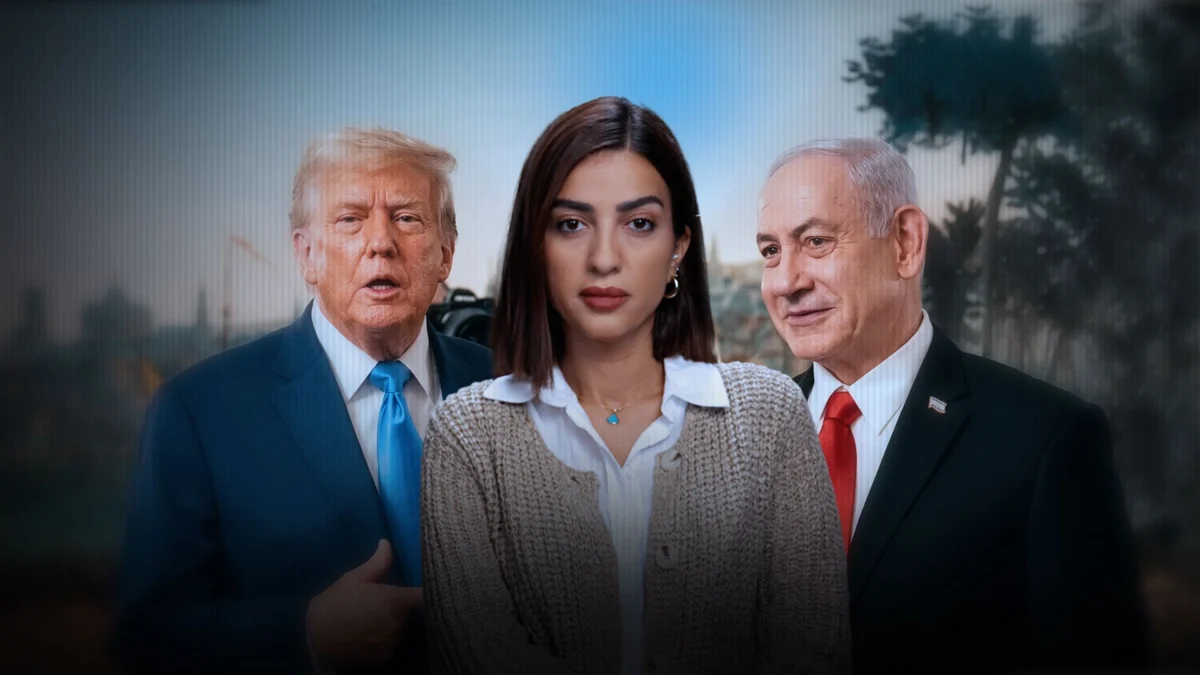
JERUSALEM — Former U.S. President Donald Trump endorsed Israeli Prime Minister Benjamin Netanyahu ahead of the upcoming Israel election, according to Al Jazeera. Trump’s public backing came as far-right minister Itamar Ben-Gvir faced student protesters, highlighting a tense political backdrop ahead of the vote.
The endorsement, reported as breaking news, underscores Trump’s continued influence in Middle Eastern politics even after leaving office. Meanwhile, protests on campuses signal heightened public engagement with the election, which is shaping up as a pivotal moment for regional alliances and domestic policy directions.
Key Facts
- Trump endorsed Netanyahu ahead of the Israel election.
- Ben-Gvir encountered student protesters during the same period.
- Source: Al Jazeera breaking news coverage.
- Event occurred ahead of Israel’s national election.
- Story involves key political figures from the U.S. and Israel.
What Happens Next?
Voters in Israel will head to the polls in the coming days, with parties vying for coalition support. Trump’s endorsement could carry symbolic weight among pro-Trump voters, though analysts note that foreign endorsements rarely sway ballot outcomes directly. Still, the gesture reflects ongoing personal diplomacy ties between Trump and Netanyahu, including shared policy stances on security and Iran.
Domestically, Ben-Gvir’s confrontation with students illustrates how campaign rhetoric is spilling into public spaces. Universities have become flashpoints for debate over governance and civil discourse, especially where hardline nationalist figures like Ben-Gvir are involved. These dynamics may shape post-election coalition negotiations, particularly if religious or nationalist parties gain ground.
How Did We Get Here?
Trump and Netanyahu have cultivated a relationship since the early 2010s, often aligning on issues such as Jerusalem recognition and Iran sanctions. That bond strengthened during Trump’s presidency, when several controversial Middle East moves aligned with Netanyahu’s priorities. After Trump left office, he maintained public commentary on Israeli politics, making his pre-election endorsement a continuation of familiar geopolitical signaling.
The timing of Trump’s statement coincides with increased campus activism across Israeli universities, where students have protested government policies and visiting officials. Ben-Gvir’s role as a minister with ties to settlement expansion and ultra-nationalist ideology places him at the center of debates around democracy, rule of law, and civil rights — all topics likely to resonate during the Israel election season.
What We Know — and What We Don’t
Verified by the source:
- Trump publicly endorsed Netanyahu before the Israel election.
- Ben-Gvir faced student protesters.
- Al Jazeera reported both events as breaking news.
Still unconfirmed:
- Exact date or time of Trump’s endorsement.
- Specific university or location of the protests.
- Identity of student groups involved.
- Netanyahu’s or Ben-Gvir’s official response.
Why It Matters
Foreign leaders’ endorsements can influence voter sentiment, especially in closely contested races. In Israel, where coalition-building often determines government formation, external attention — particularly from influential figures like Trump — may amplify existing fault lines between liberal, conservative, and nationalist constituencies. At the same time, protests on college campuses reflect broader societal tensions over identity, power, and governance ahead of the vote.
What To Watch
Voter turnout trends and exit poll results will offer clarity on whether foreign endorsements or campus protests influenced voter sentiment. Official responses from Netanyahu, Ben-Gvir, and U.S. agencies remain pending and could reshape narratives around the Israel election.