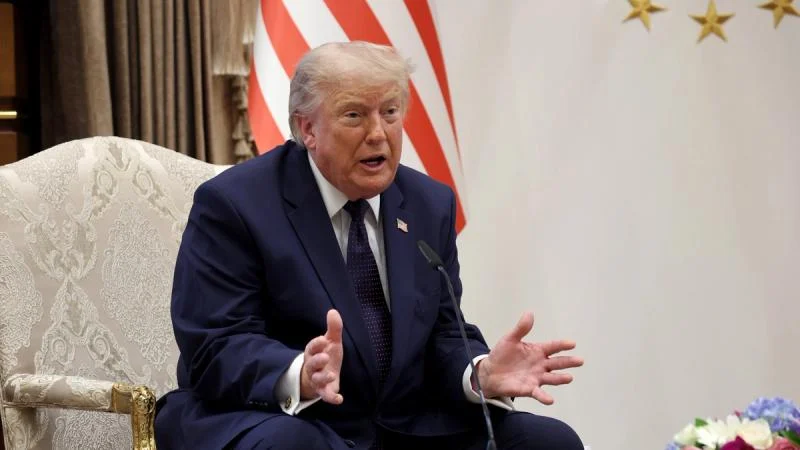
In a surprising announcement, President Trump declared an ‘energy ceasefire’ between Russia and Ukraine, stating that Ukraine has expressed support for the agreement and emphasizing the importance of Russian participation. The declaration was made through a public statement, though specific details regarding implementation or scope remain unclear.
While the term ‘energy ceasefire’ has not been formally defined, it appears to reference a potential halt in energy-related hostilities or disruptions. Ukrainian President Zelensky responded by endorsing the initiative, noting that sustained peace requires mutual commitment. No official response from Russia was included in the initial reporting.
Key Facts
- President Trump declared an ‘energy ceasefire’ between Russia and Ukraine.
- Ukrainian President Zelensky stated Ukraine supports the ceasefire.
- Zelensky emphasized the need for Russia to also support the ceasefire.
What Is an Energy Ceasefire?
The phrase ‘energy ceasefire’ lacks a universally accepted definition in this context. It may refer to a pause in attacks on energy infrastructure, a halt to energy supply disruptions, or a negotiated truce centered on shared energy interests. Without further clarification from involved parties, the practical implications remain speculative.
Historically, energy resources have played a central role in conflicts across Eastern Europe. Disruptions to oil, gas, or power networks often carry significant economic and humanitarian consequences, making them strategic targets during wartime. However, no prior precedent exists for a formal ‘energy ceasefire’ in modern conflict resolution frameworks.
Who Is Affected?
Both Russia and Ukraine stand to be directly impacted by any energy-related agreement. For Ukraine, securing energy stability could bolster domestic resilience amid ongoing warfare. For Russia, participation might signal diplomatic flexibility or strategic recalibration in its broader regional posture.
Beyond the two nations, global energy markets may react swiftly to developments. Traders, policymakers, and consumers worldwide closely monitor supply chains tied to Eastern European energy flows. Any shift toward de-escalation — even narrowly defined — could influence pricing and allocation patterns internationally.
How Did We Get Here?
President Trump’s involvement reflects a renewed U.S. interest in mediating regional tensions. His administration has previously engaged with stakeholders on geopolitical issues affecting transatlantic security. This latest move signals an attempt to broker a novel form of truce focused specifically on energy sectors.
The timing coincides with persistent volatility in commodity prices linked to the region. Analysts note that any formalization of an energy ceasefire would likely require coordination among multiple actors, including state governments, private sector entities, and international organizations. At present, only preliminary statements have surfaced.
What We Know — and What We Don’t
Verified by the source:
- President Trump declared an ‘energy ceasefire’ between Russia and Ukraine.
- Ukrainian President Zelensky stated Ukraine supports the ceasefire.
- Zelensky called on Russia to support the ceasefire as well.
Still unconfirmed:
- The specific terms or mechanisms of the declared energy ceasefire.
- Whether Russia has responded or acknowledged the proposal.
- Whether any formal agreement or documentation underpins the declaration.
Why It Matters
Any development signaling reduced hostilities, especially in areas as vital as energy infrastructure, carries weight for global stability. Markets watch such announcements not just for immediate impact but for long-term shifts in supply chain reliability and geopolitical risk assessments. Even symbolic gestures can ripple outward into policy decisions and investor behavior.
What To Watch
Further statements from Russian leadership or confirmation of concrete actions will determine whether this declaration translates into actionable progress. Monitoring official communications and market reactions over the coming days should provide clearer indicators of momentum.