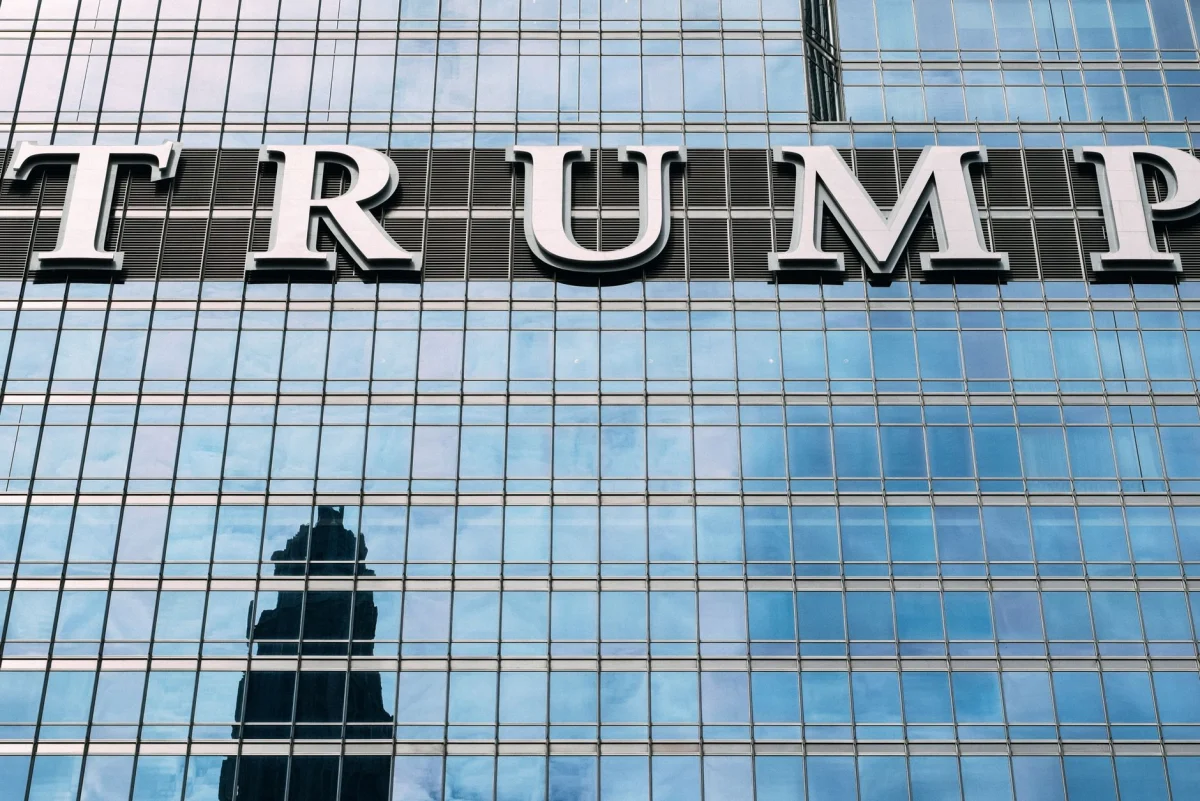
Former President Donald Trump has publicly criticized allies in the wake of escalating military tensions in Iran, which, coupled with fears of a potential blockage of critical shipping lanes, is contributing to rising fuel prices across the United States.
Trump’s remarks come as news of increased conflict in the region has sparked concerns about oil supply disruptions. The Strait of Hormuz, a crucial waterway for global oil shipments, has come under scrutiny with reports of heightened military activity in the area.
In a recent statement, Trump expressed discontent with both international partners and domestic policies, saying, “Our allies should be doing more to stabilize the situation and ensure our energy security. Instead, we face increased prices at the pump due to a lack of coordinated efforts to protect free trade routes.” This frustration reflects a broader sentiment among some policymakers advocating for a more assertive U.S. stance in the region.
As tensions continue to mount, analysts suggest that the impact on fuel prices may be prolonged if military actions escalate. According to energy experts, crude oil prices are likely to remain volatile, further affecting the U.S. economy. “The uncertainty in the Middle East can lead to spikes in oil prices, which directly influences consumer costs,” noted one market analyst.
Furthermore, officials indicate that the Biden administration is closely monitoring developments and assessing potential responses to mitigate any further economic fallout. The interdependence of global oil markets means that U.S. consumers could feel the pressure at the gas pump for the foreseeable future.
Looking ahead, the geopolitical landscape remains critical as international diplomatic efforts are needed to de-escalate tensions. The situation in Iran and the potential ramifications for oil supply routes could play a significant role in shaping U.S. foreign policy in the coming months.