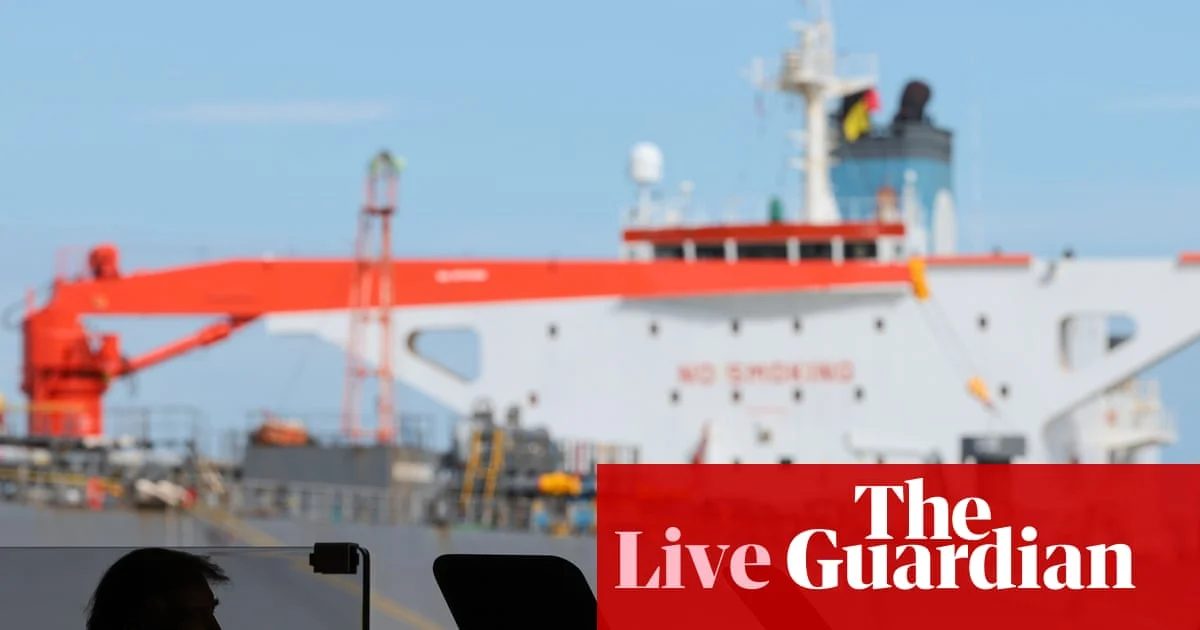
During a campaign event in Texas, Donald Trump defended his past willingness to go to war with Iran, saying he believed oil prices would rise significantly. Speaking to reporters, Trump stated his support for military action, referencing his prior decisions regarding Middle East policy. The appearance followed criticism over his rhetoric targeting Democratic candidates.
Meanwhile, Senator JD Vance, campaigning in Michigan, addressed questions about Trump’s characterization of Democratic Senate candidate Abdul El-Sayed as a “jihadist.” While acknowledging tension between the two politicians, Vance did not fully disavow the president’s remarks, maintaining alignment with the broader Republican messaging strategy ahead of upcoming elections.
Key Facts
- Trump campaigned in Texas for Republican candidates.
- He trump iran war comments included saying he thought oil prices would rise.
- He mentioned Venezuela as a potential ’51st state.’
- JD Vance responded to Trump’s remarks about Abdul El-Sayed being labeled a ‘jihadist.’
- Vance did not walk away from Trump’s controversial statements.
Trump’s Middle East Stance Resurfaces
At the Texas rally, Trump reiterated his belief that military intervention in Iran would have led to higher oil prices, suggesting economic gains justified strategic conflict. He also referenced Venezuela, hinting at annexationist ideas by calling it a potential ’51st state.’ These comments reflect Trump’s ongoing focus on energy policy and foreign entanglement, themes central to his base appeal. Analysts note that such rhetoric may energize conservative voters but risks alienating moderates concerned with diplomatic solutions.
What Happens Next for Trump and Allies?
Vance’s response to Trump’s remarks signals continued unity within the GOP despite occasional friction. His measured tone contrasted with Trump’s more inflammatory language, yet still endorsed the core message. As midterm elections approach, expect further coordination between the White House and Republican figures like Vance, especially in key battleground states where these issues resonate with voters.
How Did We Get Here?
The resurfacing of Trump’s Iran war stance ties back to his administration’s foreign policy legacy, marked by heightened tensions with Tehran. His claim about oil price increases aligns with past assertions linking U.S. power projection to market dynamics. With El-Sayed representing a progressive challenge in Michigan, Trump’s labeling adds another layer to partisan battles playing out across state lines.
What We Know — and What We Don’t
Verified by the source:
- Trump spoke at a campaign event in Texas.
- JD Vance commented on Trump’s remarks regarding Abdul El-Sayed.
- Trump mentioned iran war and oil prices during his speech.
- Venezuela was described as possibly becoming the ’51st state’.
- Vance did not retract Trump’s comments publicly.
Still unconfirmed:
- Exact timing and location details of the Texas event.
- Precise wording of Trump’s full statement beyond summary excerpts.
- Full context behind Vance’s internal discussions with Trump administration officials.
- Public reaction metrics from attendees or polling data tied to these events.
Why It Matters
These developments highlight how foreign policy and identity politics remain entangled in U.S. electoral cycles, influencing both voter sentiment and national security discourse domestically and internationally.
What To Watch
Further campaign trail statements from Trump and Vance, plus potential responses from Democratic opponents including Abdul El-Sayed, will shape narratives leading into election day.