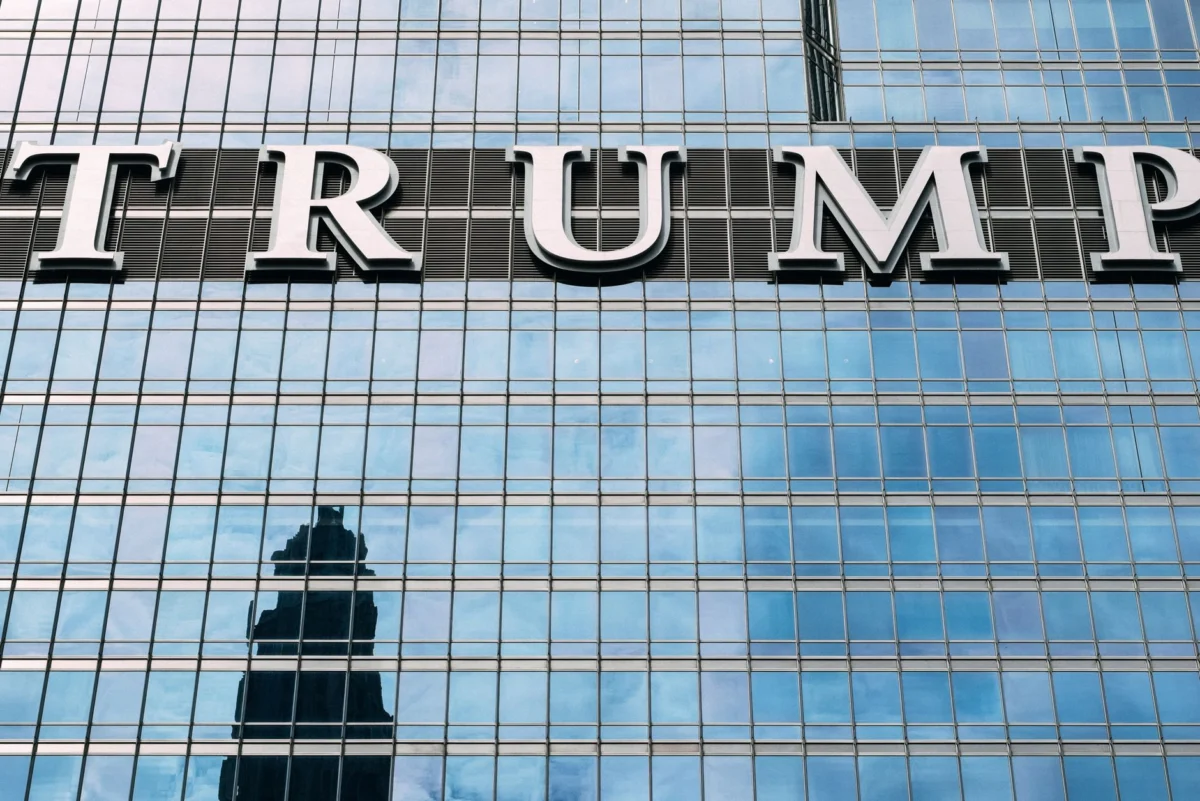
Two prominent political figures, former President Donald Trump and former New York City Mayor Michael Bloomberg, have increased their campaign spending in the lead-up to the 2026 U.S. midterm elections. The reported surge in spending reflects growing activity among high-profile donors as control of Congress and key state offices hangs in the balance during the upcoming midterms.
This uptick in financial activity signals that influential individuals are positioning themselves strategically ahead of one of the most consequential electoral cycles in recent memory. With just over a year until voters head to the polls, both Trump and Bloomberg appear to be bolstering funding streams tied to candidates and causes aligned with their respective agendas.
Key Facts
- Donald Trump has increased campaign spending ahead of the midterms.
- Michael Bloomberg is also ramping up financial contributions before the elections.
- The spending occurs in the run-up to the 2026 U.S. midterm elections.
- Both individuals are known for their roles in American politics and finance.
The Story
What happens next?
As the 2026 midterm elections draw nearer, campaign finance filings from federal agencies such as the Federal Election Commission (FEC) are expected to reveal more detailed breakdowns of where these funds are being directed. These disclosures often provide insight into whether money flows primarily toward candidate endorsements, issue advocacy groups, or independent expenditure committees known as super PACs.
Campaign spending by major figures like Trump and Bloomberg tends to influence broader fundraising efforts across party lines. Their involvement can energize base constituencies and prompt counter-mobilization from opposing camps, especially given the national spotlight surrounding their political brands.
Who is affected?
Voters in competitive House and Senate districts will likely see heightened advertising and outreach efforts driven by these financial injections. Additionally, candidates seeking endorsement or financial backing may adjust messaging strategies based on the priorities of large donors.
While individual giving remains legal under current campaign finance laws, transparency advocates continue urging reforms to limit potential undue influence. The sheer scale of spending by wealthy individuals underscores ongoing debates about equity and access in democratic processes.
How did we get here?
In recent years, shifts in regulatory frameworks and court rulings—including the landmark Citizens United decision—have enabled corporations, unions, and affluent individuals to contribute unlimited sums to certain types of political organizations. This environment has paved the way for strategic late-cycle investments by politically active billionaires aiming to shape outcomes without directly coordinating with candidates.
Such trends suggest a continuation of patterns observed in previous cycles, where elite donors play increasingly visible roles in shaping electoral landscapes through targeted investments in media, voter mobilization tools, and policy-focused initiatives.
What We Know — and What We Don’t
Verified by the source:
- Donald Trump and Michael Bloomberg have both increased campaign spending recently.
- This spending is linked to preparations for the 2026 midterm elections.
- Both figures hold significant prominence in American politics and business.
Still unconfirmed:
- Exact dollar amounts or recipients of the increased spending.
- Whether funds support specific candidates or broader political movements.
- Official statements or responses from either individual or associated entities.
Why It Matters
Campaign spending at this level influences public discourse, voter engagement, and ultimately the competitiveness of races nationwide. While legal, it raises questions about representation and fairness in a democracy where economic clout plays an outsized role in determining political outcomes. For voters, understanding who funds campaigns helps evaluate motivations behind messaging and endorsements.
What To Watch
Upcoming FEC reports and news coverage may shed light on how exactly these funds are allocated. Analysts will be watching for signs of coordination between donors and candidates, shifts in messaging themes, and any notable differences in spending patterns compared to earlier cycles.