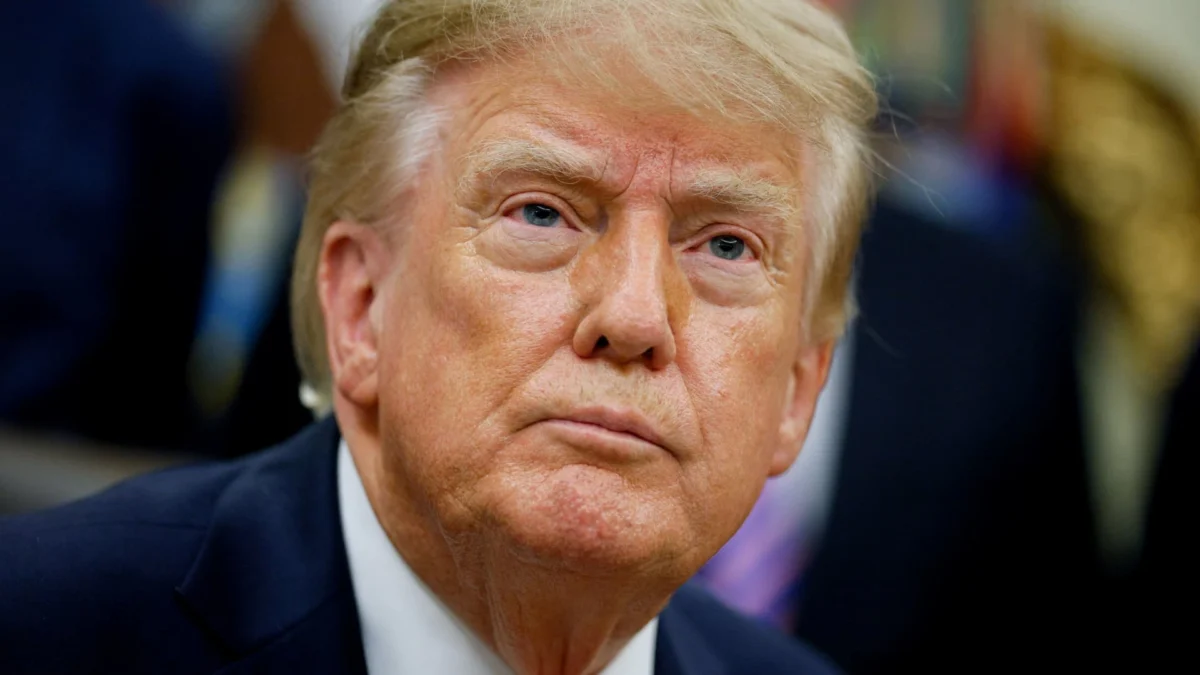
Lawsuits are set to challenge a White House media ban that restricted access for several news outlets, according to reporting from US Top News and Analysis. President Trump cited what he called cumulative negative stories from the affected organizations as justification for the restriction. The move has drawn renewed attention to questions about press access and executive branch transparency.
The White House media ban affects multiple outlets, including CNN, Politico, and MSNBC, with legal challenges now being organized in response. Advocates for press freedom say restrictions on journalist access can undermine accountability reporting. The situation remains fluid as court filings are prepared, and officials have not yet commented publicly on the pending litigation.
Key Facts
- President Trump ordered a White House media ban on several news outlets.
- The ban targeted CNN, Politico, and MSNBC.
- Planned lawsuits aim to reverse the access restriction.
- Trump cited cumulative negative coverage as justification.
- Legal action follows shortly after the ban was announced.
The Story
What happens next?
Legal teams representing the affected organizations are preparing lawsuits intended to reverse the White House media ban. The expected filings will likely argue that restricting press access conflicts with established norms governing reporter credentials and press gallery policies. Court proceedings, if initiated, would test the boundaries of executive discretion over media access.
The White House has not issued a formal statement beyond the president’s reported remarks. Meanwhile, press advocacy groups are monitoring developments closely, though specific organizational responses have not been confirmed. The case may set precedent for future disputes over media access during this administration.
How did we get here?
The White House media ban appears to stem from longstanding tensions between President Trump and several news organizations. His reported frustration with what he described as cumulative negative stories reflects broader criticisms he has voiced about press coverage throughout his tenure. The restriction represents one of the more direct actions taken to limit media access at the executive branch level.
Prior administrations have occasionally adjusted press procedures, but outright bans on specific outlets remain uncommon. Legal scholars have previously questioned the extent of White House authority over press credentials, particularly when such decisions appear tied to content rather than logistics. These precedents may shape arguments made in the planned lawsuits.
Who is affected?
The White House media ban directly affects CNN, Politico, and MSNBC, three outlets regularly granted access to briefings and events. Additional organizations may also be impacted, though only the named outlets have been confirmed publicly. Journalists at these outlets may face limited access to official briefings or interviews moving forward.
Press credentialing systems typically operate under guidelines coordinated between news organizations and the White House Correspondents Association. Changes to access policies can influence which reporters attend briefings or gain entry to events. The planned lawsuits seek to restore access on behalf of the affected outlets.
What We Know — and What We Don’t
Verified by the source:
- President Trump implemented a White House media ban targeting CNN, Politico, and MSNBC.
- Lawsuits are being prepared to challenge the restriction legally.
- Trump cited cumulative negative coverage as the reason for the ban.
Still unconfirmed:
- Exact timing of the lawsuits has not been specified.
- Whether additional outlets beyond those named are affected remains unknown.
- Legal arguments and potential remedies have not yet been made public.
Why It Matters
The White House media ban raises fundamental concerns about press freedom and executive transparency in democratic governance. When news organizations lose routine access to official briefings or events, their ability to inform the public diminishes. These dynamics sit at the heart of longstanding debates about the role of journalism in holding power accountable, particularly within the broader context of U.S. economy and politics coverage.
What To Watch
Watch for formal court filings challenging the ban and any responses from White House officials regarding press access policies. The outcome may influence future negotiations over media credentials and press gallery procedures.
President Trump ordered a White House media ban restricting access for CNN, Politico, and MSNBC, citing cumulative negative coverage, prompting planned lawsuits to reverse the decision.