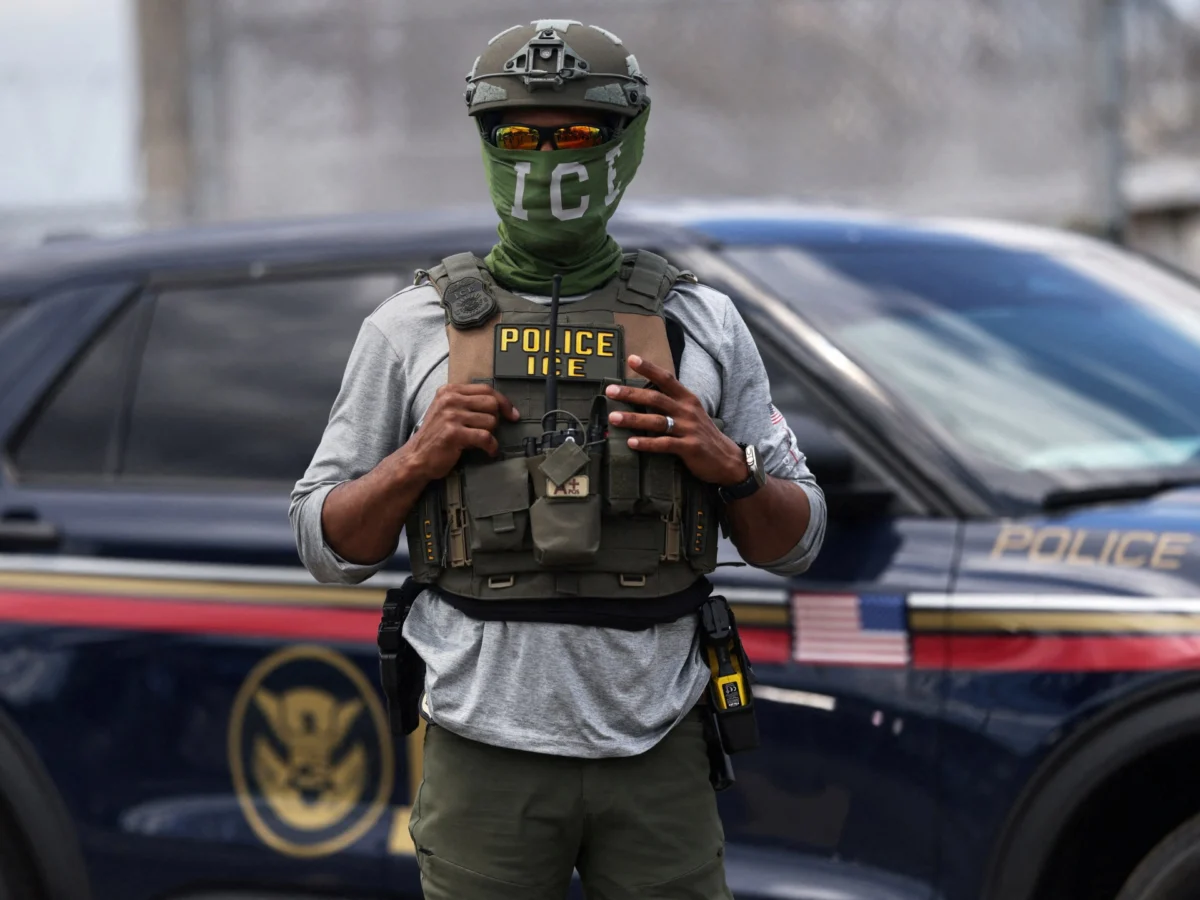
The Trump administration is reported to be planning the purchase of electric-shock gloves for ICE officers as part of its immigration enforcement strategy. This move comes amidst ongoing criticism of the administration’s immigration policies and practices.
The US Department of Homeland Security is expected to spend up to $20 million on these gloves. The exact implementation and operational use of these gloves remain unclear at this time.
Key Facts
- The Trump administration plans to provide ICE officers with electric-shock gloves.
- The US Department of Homeland Security is expected to spend up to $20 million on the gloves.
- The plan arises amid criticism of the administration’s immigration crackdown.
What Does This Mean for Immigration Enforcement?
The introduction of electric-shock gloves could signal a more aggressive approach to immigration enforcement by ICE officers. These gloves are designed to incapacitate individuals through controlled electric shocks, potentially increasing the use of force in apprehensions and detentions.
This development is likely to fuel further debate over the methods used by immigration enforcement agencies, particularly given the existing controversies surrounding ICE’s practices.
What We Know
Verified by the source:
- The Trump administration is planning to purchase electric-shock gloves for ICE officers.
- The estimated expenditure for these gloves is up to $20 million.
Still unconfirmed:
- The exact timeline for the procurement and deployment of the gloves.
- The specific scenarios in which these gloves will be used by ICE officers.
Why It Matters
This story highlights ongoing tensions and debates surrounding immigration enforcement in the United States. The introduction of potentially controversial equipment like electric-shock gloves could have significant implications for public perception and the treatment of immigrants.
What To Watch
Further details on the procurement and use of electric-shock gloves by ICE officers will be crucial in understanding the full impact of this development. Public and political reactions to this news will also shape the ongoing discourse on immigration enforcement.