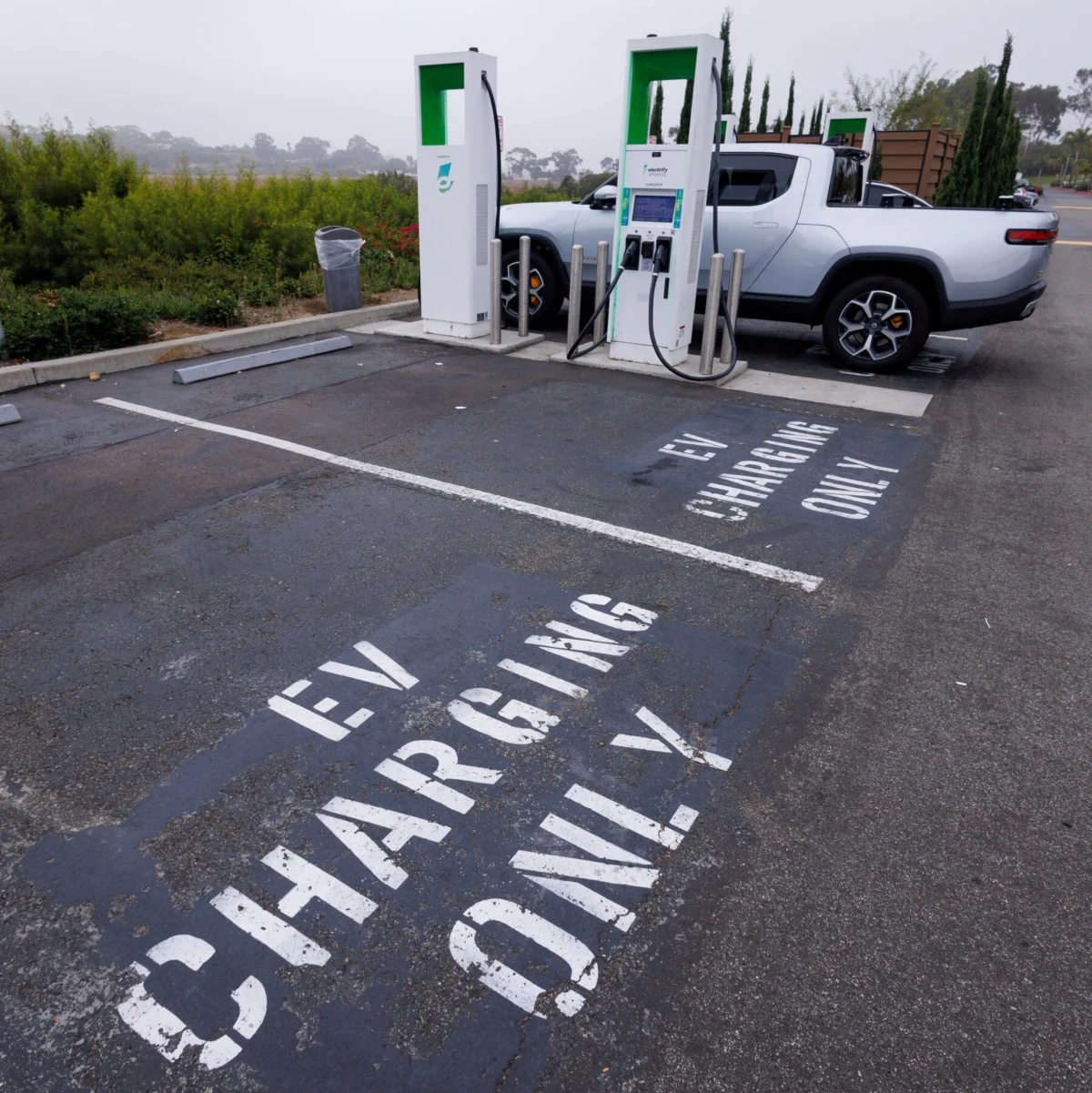
The Trump administration has finalized new fuel-economy standards that would dismantle a federal initiative aimed at speeding the transition to electric vehicles, according to reporting by NYT > Top Stories.
These rules represent a major policy shift that reverses prior efforts to promote cleaner, more efficient vehicles and reduce emissions from the U.S. vehicle fleet.
KEY FACTS
- Trump administration finalized new fuel-economy standards
- Rules would end federal push to accelerate electric vehicle transition
- Policy marks reversal of prior clean-car regulations
WHAT DO THE NEW RULES CHANGE?
The new standards replace stricter fuel-economy requirements that had been designed to push automakers toward producing more electric and hybrid vehicles. By weakening these mandates, the administration is stepping back from federal oversight that previously encouraged manufacturers to increase efficiency and reduce pollution per mile driven.
The rollback also signals a shift in regulatory philosophy, favoring industry flexibility over federal mandates aimed at combating climate change. Analysts note that weakening these standards could slow long-term investment in electric vehicle technology, although supporters argue the lighter regulatory touch benefits automakers and consumers through lower compliance costs.
This move follows years of legal and political battles between federal agencies and states seeking to uphold stricter emissions rules, reflecting broader national tensions over environmental regulation and energy policy.
WHO IS AFFECTED BY THE CHANGE?
Automakers, consumers, and state governments are among the primary groups affected by the rollback of clean-car rules. Car companies may gain short-term relief from reduced compliance burdens but could face uncertainty over future regulatory direction. Consumers may benefit from potentially lower vehicle prices due to less stringent production requirements, though they may also encounter fewer incentives to purchase electric vehicles.
States that previously adopted or planned to exceed federal emissions standards, such as California, may now find themselves at odds with federal policy once again. Additionally, environmental groups and advocates for clean energy express concern that weakening these rules will undermine progress toward reducing transportation-related carbon emissions.
The decision also has implications for the broader clean energy economy, as it affects investment signals for battery manufacturers, charging infrastructure providers, and innovation in automotive technology.
WHAT WE KNOW — AND WHAT WE DON’T
Verified by the source:
- The Trump administration finalized new fuel-economy standards on Saturday
- The action would terminate a federal effort to speed electric vehicle adoption
- The policy reverses earlier clean-car regulations established under prior administrations
Still unconfirmed:
- Specific numerical targets or timelines for the new standards
- Full list of automakers or states directly impacted
- Details about enforcement mechanisms or penalties under the new system
WHY IT MATTERS
These clean car rules have long served as a lever for shaping the direction of the U.S. vehicle market and its role in addressing climate change. Rolling them back alters the landscape for automakers, state governments, and consumers navigating the shift toward cleaner transportation options.
WHAT TO WATCH
Future court challenges and potential state-level responses could determine how the new standards are implemented and whether legal disputes arise over their scope and authority.