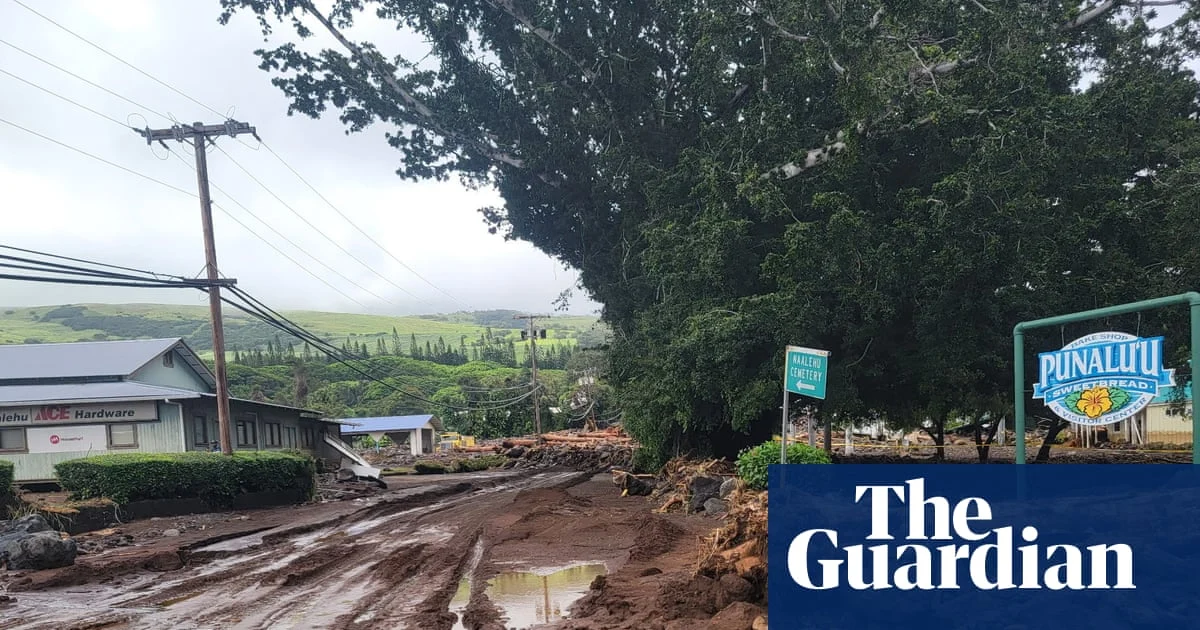
Tropical Storm Moke is expected to impact the southern parts of Hawaii’s islands, bringing heavy rains and strong winds on Saturday evening. This comes shortly after Hurricane Lala affected the same region, raising concerns about cumulative weather impacts.
Weather services have issued warnings regarding potential flooding and mudslides, particularly in areas already significantly impacted by the recent Hurricane Lala. The anticipated arrival of Tropical Storm Moke underscores ongoing weather challenges for the Hawaiian islands.
KEY FACTS
- Tropical Storm Moke is poised to impact Hawaii’s southern islands.
- Heavy rains and strong winds are predicted for Saturday evening.
- This storm follows Hurricane Lala’s impact just days before.
- The Big Island is expected to experience the brunt of Moke’s effects.
- Weather services warn of potential flooding and mudslides.
The Approach of Tropical Storm Moke
Tropical Storm Moke is forecast to bring significant weather conditions to areas of Hawaii, specifically targeting the southern islands. Projections indicate that heavy rains and strong winds will commence on Saturday evening, continuing into Sunday as the storm passes south of a direct hit. This weather event is significant due to its timing, occurring only a few days after Hurricane Lala affected the same region. The back-to-back nature of these storms could exacerbate potential damages and recovery efforts, prompting weather services to issue warnings about localized hazards. Residents in the affected areas are advised to prepare for the predicted conditions as the storm approaches the aloha state, which is no stranger to tropical weather systems.
How Will Hawaii Be Affected?
The primary concerns for Hawaii as Tropical Storm Moke approaches include flooding and mudslides, particularly in locations that have already experienced strong effects from Hurricane Lala. The Big Island is specifically noted as the area expected to bear the brunt of Moke’s heavy rain and winds. This suggests that communities on the Big Island may face increased risks, such as saturated ground leading to mudslides, and elevated water levels from heavy rainfall. The geographical positioning of the storm, passing south of a direct hit, still allows for significant impacts from its outer bands and associated weather phenomena. Local infrastructure and natural landscapes, potentially weakened by the previous hurricane, could be vulnerable to these new conditions.
What We Know — and What We Don’t
Verified by the source:
- Tropical Storm Moke is expected to bring heavy rains and strong winds to Hawaii’s southern islands.
- The storm is forecast to arrive on Saturday evening.
- Hurricane Lala recently impacted the same region of Hawaii.
- The Big Island is anticipated to be most affected by Moke’s rain and winds.
- Weather services have issued warnings for flooding and mudslides.
Still unconfirmed:
- The exact wind speeds or rainfall totals Moke is expected to bring.
- Specific details on areas most at risk for flooding or mudslides.
- The projected track of Tropical Storm Moke beyond passing south of a direct hit.
- The extent of damage caused by the previous Hurricane Lala.
- Any official response or preparatory actions from Hawaiian authorities.
WHY IT MATTERS
The arrival of Tropical Storm Moke so soon after Hurricane Lala presents a significant challenge for Hawaii, as consecutive storms can amplify risks of flooding and mudslides due to already saturated ground. This sequence of weather events highlights the ongoing vulnerability of island communities to tropical systems and the importance of preparedness and resilience in the face of climate impacts. The situation underscores how rapidly changing weather patterns can affect daily life and safety in vulnerable regions, demanding continuous monitoring and response from authorities.
WHAT TO WATCH
Authorities and residents will be closely monitoring the storm’s progression through Saturday evening and into Sunday for updated forecasts on its intensity and exact path. The immediate concern will be the potential for flooding and mudslides in areas previously hit by Hurricane Lala.