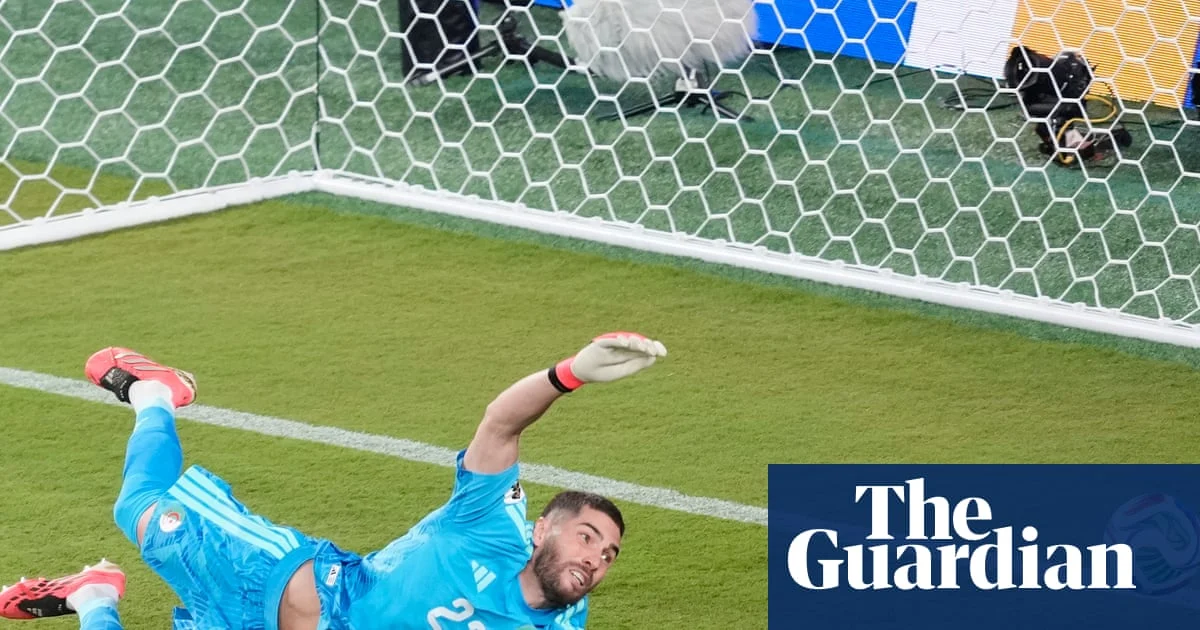
The moment Lionel Messi’s curling free‑kick slipped through Algeria’s Luca Zidane’s fingertips, the ball’s seam seemed to vanish at exactly 92 km/h.
That was no freak accident. The Trionda ball, the official sphere for the 2026 World Cup, hits a ‘crisis point’ at a narrow speed window, causing an unpredictable wobble that even veteran keepers struggle to read.
In the opening group match, Zidane faced five shots, conceding two goals that travelled at 91.8 km/h and 92.2 km/h respectively. A week later, Senegal’s Édouard Mendy watched a 92 km/h strike bounce past his glove, and Iraq’s Ahmed Basil suffered the same fate against Jordan’s Nizar al‑Rashdan.
What the science says
Researchers from the University of Leeds published a paper confirming what Joe Hart warned about years ago: the ball’s aerodynamic paneling creates a vortex‑shear layer that destabilises at roughly 92 km/h. The study, peer‑reviewed in the *Journal of Sports Engineering*, measured the wobble amplitude increasing by 78 % when the ball crossed that threshold.
Lead author Dr Marta Kowalska explained that the ball’s six‑panel construction, designed for consistency in humid African stadiums, unintentionally generates a “speed‑sensitive turbulence pocket.”
Why does this matter?
Goalkeepers train to anticipate a ball’s flight path based on visual cues and spin. A sudden, invisible shift in trajectory at a specific speed undermines those instincts, raising injury risk and costing teams crucial points. For fans, it adds a new layer of drama – every shot now carries a hidden variable.
Coaches are already adapting. Algeria’s staff have instructed Zidane to shave a fraction of his gloves to increase surface friction, while Senegal’s backroom team is testing a new “speed‑alert” radar during practice sessions.
What happens next?
The International Football Association Board (IFAB) has announced a review of the Trionda ball’s specifications, promising a potential redesign before the tournament’s knockout stage. Meanwhile, the scientific community urges manufacturers to publish full aerodynamic data, arguing that transparency could prevent future “crisis points.”
For the average viewer, the implication is simple: expect more nail‑biting saves and heart‑stopping slips as the ball’s hidden quirk plays out on the world’s biggest stage.
Stay tuned as FIFA, engineers, and the goalkeepers themselves grapple with the physics that could rewrite World Cup history.