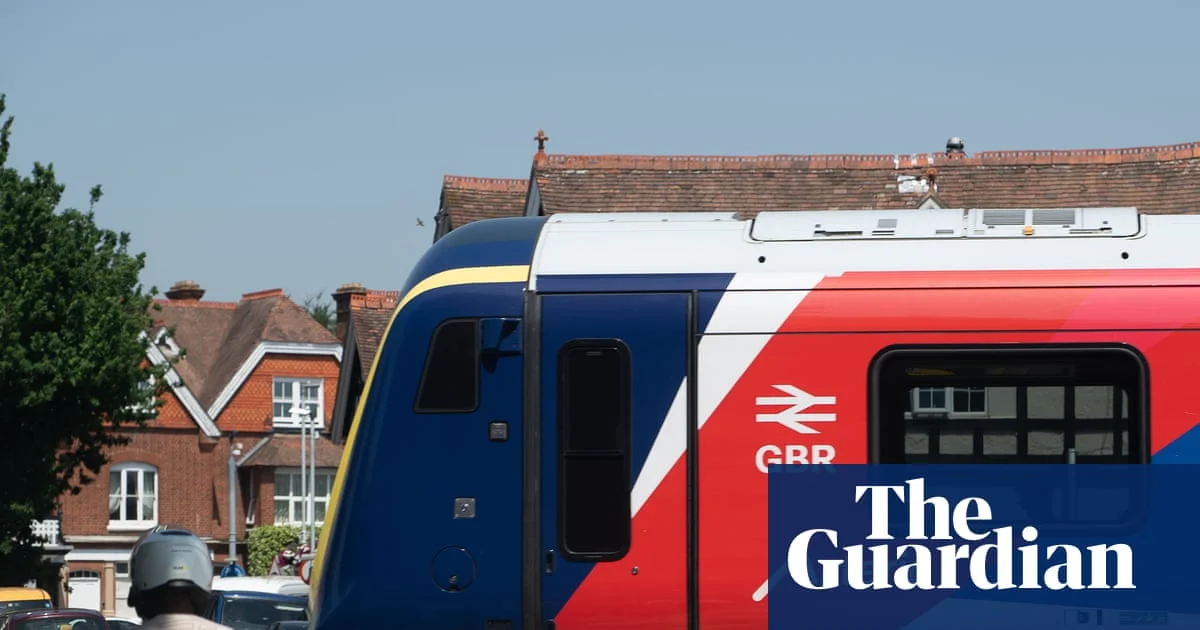
Chief executives of three firms that lease trains to UK railways were paid a combined £3.5m in 2024 while their companies distributed nearly £400m to shareholders, according to Business | The Guardian.
These rolling stock companies, known as Roscos, operate under long-term contracts with train operators and have faced criticism from rail unions for allegedly prioritising profits over passenger interests. The reported executive compensation and dividend payouts highlight growing scrutiny of private rail infrastructure financing.
Key Facts:
- Three firm bosses received a combined £3.5m in executive pay last year.
- The same firms paid nearly £400m to shareholders in dividends.
- Rail unions accused the Roscos of profiting at passengers’ expense.
- The companies supply trains to UK railways under rental agreements.
- The report was published by Business | The Guardian.
How did we get here?
The UK’s rail network relies on private rolling stock companies to own and maintain train carriages and locomotives. These Roscos finance purchases through debt and equity, then lease rolling stock to train operating companies under fixed-term contracts typically lasting decades.
Critics argue the structure allows Roscos to generate substantial returns while costs are ultimately borne by taxpayers or farepaying passengers. Unions and Labour Party figures have previously called for reforms, including greater public oversight or nationalisation of rolling stock assets.
This latest Guardian report underscores ongoing tension between private rail investors seeking returns and campaigners demanding accountability. Whether the firms’ pay structures reflect market norms or excessive risk-taking remains unclear.
Who is affected?
Rail commuters and passengers may feel indirect impact through fare adjustments or service quality concerns, though direct causation was not stated in the source. Taxpayers could also bear associated costs if public subsidies offset private losses.
More broadly, pension funds and institutional investors often hold Rosco shares, linking everyday savers to performance debates. Meanwhile, government transport departments must balance contract terms against affordability pressures.
Any future regulatory shifts affecting how Roscos operate—including profit caps or new public ownership models—could reshape investment flows across the sector.
What We Know — and What We Don’t:
Verified by the source:
- CEOs of three train-supplying firms earned £3.5m collectively.
- Dividends paid to shareholders totaled nearly £400m.
- Rail unions issued accusations regarding profit motives.
Still unconfirmed:
- Names, identities, or individual pay details of named executives.
- Specific timelines or reporting periods beyond “last year”.
- Corporate responses or rebuttals from involved firms.
- Exact passenger fare impacts tied to these payments.
Why It Matters
Rising executive pay juxtaposed with significant shareholder returns in critical transport sectors raises questions about value distribution and fairness. With inflation affecting household budgets and public services strained, such reports fuel broader conversations about corporate ethics, infrastructure stewardship, and who benefits when essential services are privatized.
What To Watch
Labour’s proposed Great British Rail plans include potential moves toward public rolling stock ownership. Any policy announcements clarifying future Rosco roles would likely influence investor sentiment and union negotiations.