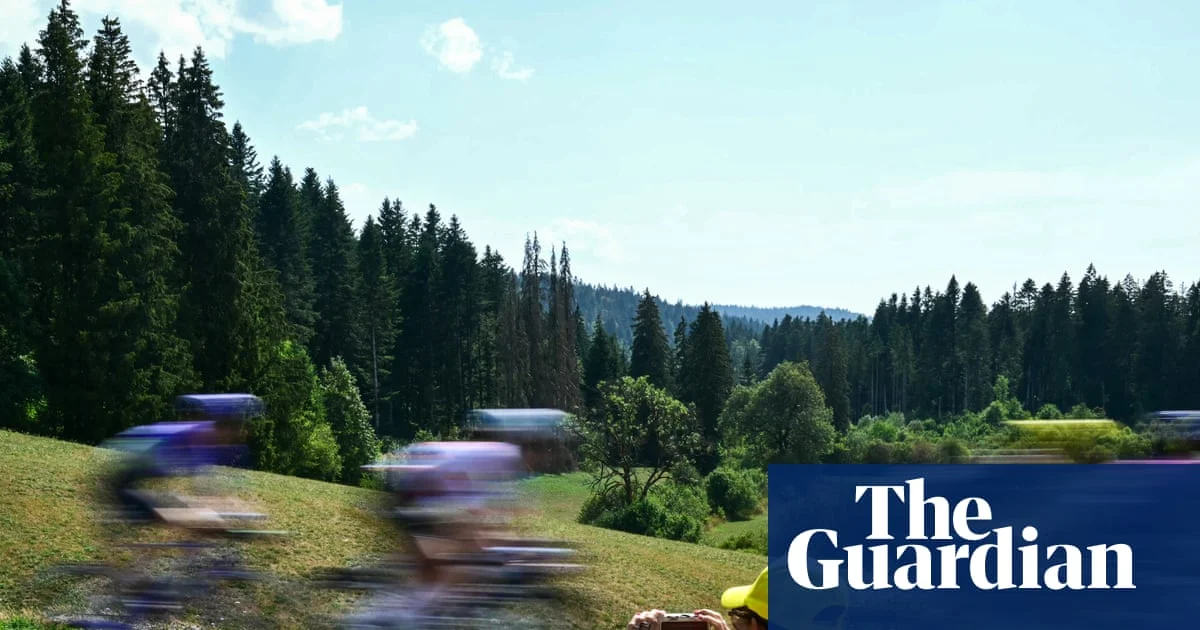
The fifth edition of the Tour de France Femmes in 2026 delivered a thrilling showcase of endurance and strategy, with 147 riders from 21 teams competing across 1,175 kilometers of varied terrain. The race included three flat stages, three hilly stages, an individual time trial, and two mountain stages—marking the event’s first-ever visit to the iconic Mont Ventoux.
The Guardian’s photo gallery captures the drama and determination of the riders across nine stages, highlighting the physical and tactical challenges of one of cycling’s premier events. From sprint finishes to grueling climbs, the race tested the limits of the peloton.
KEY FACTS
- The Tour de France Femmes 2026 featured 147 riders from 21 teams.
- The total race distance was 1,175 kilometers, spread across nine stages.
- Stages included three flat, three hilly, one individual time trial, and two mountain stages.
- The race made its first visit to Mont Ventoux, a historic climb in cycling.
What made this year’s race unique?
The inclusion of Mont Ventoux as a summit finish added a new layer of prestige to the Tour de France Femmes. Known as the ‘Giant of Provence,’ the mountain has long been a defining challenge in the men’s Tour de France, with its barren slopes and unpredictable winds. Its debut in the women’s race signals growing parity in the sport and recognition of women’s cycling as a major spectacle.
The varied stage design also provided opportunities for different types of riders—sprinters, climbers, and time trial specialists—to shine. This balance is crucial for maintaining interest across the race’s duration and ensuring a worthy overall winner.
How does the Tour de France Femmes compare to the men’s race?
While the men’s Tour de France spans three weeks, the women’s edition remains shorter, with nine stages in 2026. However, the inclusion of iconic climbs like Mont Ventoux and a similarly demanding route design demonstrates the organizers’ commitment to making the women’s race equally challenging and prestigious.
The Tour de France Femmes has quickly become a cornerstone of the women’s cycling calendar since its relaunch in 2022, attracting top talent and increasing media coverage. Its growth reflects broader trends in women’s sports, where investment and visibility are rising.
WHAT WE KNOW — AND WHAT WE DON’T
Verified by the source:
- The race included 147 riders from 21 teams.
- The route featured nine stages, with a mix of flat, hilly, and mountain terrain.
- Mont Ventoux was included for the first time in the women’s race.
Still unconfirmed:
- Specific finish times or stage winners.
- Weather conditions or other environmental factors affecting the race.
- Team strategies or individual rider performances beyond what’s visible in the photos.
WHY IT MATTERS
The Tour de France Femmes represents a significant step forward for women’s cycling, offering a platform for elite athletes to compete on equal footing with their male counterparts. Its growing profile helps attract sponsors, media attention, and new fans to the sport, fostering long-term sustainability. The inclusion of legendary climbs like Mont Ventoux reinforces the race’s status as a must-watch event.
WHAT TO WATCH
Future editions of the Tour de France Femmes may expand in length or difficulty as the race establishes itself further. Fans can also expect continued efforts to close the gap between men’s and women’s cycling in terms of prize money, coverage, and recognition.